

The development of a new bone recovery pill by Japanese researchers represents a strategic pivot in the global fight against skeletal degradation. While traditional treatments focus on slowing the decline of bone density, this precision-engineered oral drug actively stimulates the body to rebuild lost tissue. Consequently, this innovation from Osaka Metropolitan University offers a direct solution for the 200 million individuals globally—including millions in Pakistan—suffering from the debilitating effects of osteoporosis.
How the Bone Recovery Pill Restores Skeletal Density
Current medical protocols primarily utilize bisphosphonates and hormone therapies to reduce the rate of bone degradation. In contrast, the experimental bone recovery pill targets osteoblasts, which are the biological engines responsible for generating new bone architecture. By calibrating the activity of these specific cells, the treatment restores structural integrity and enhances overall skeletal strength.
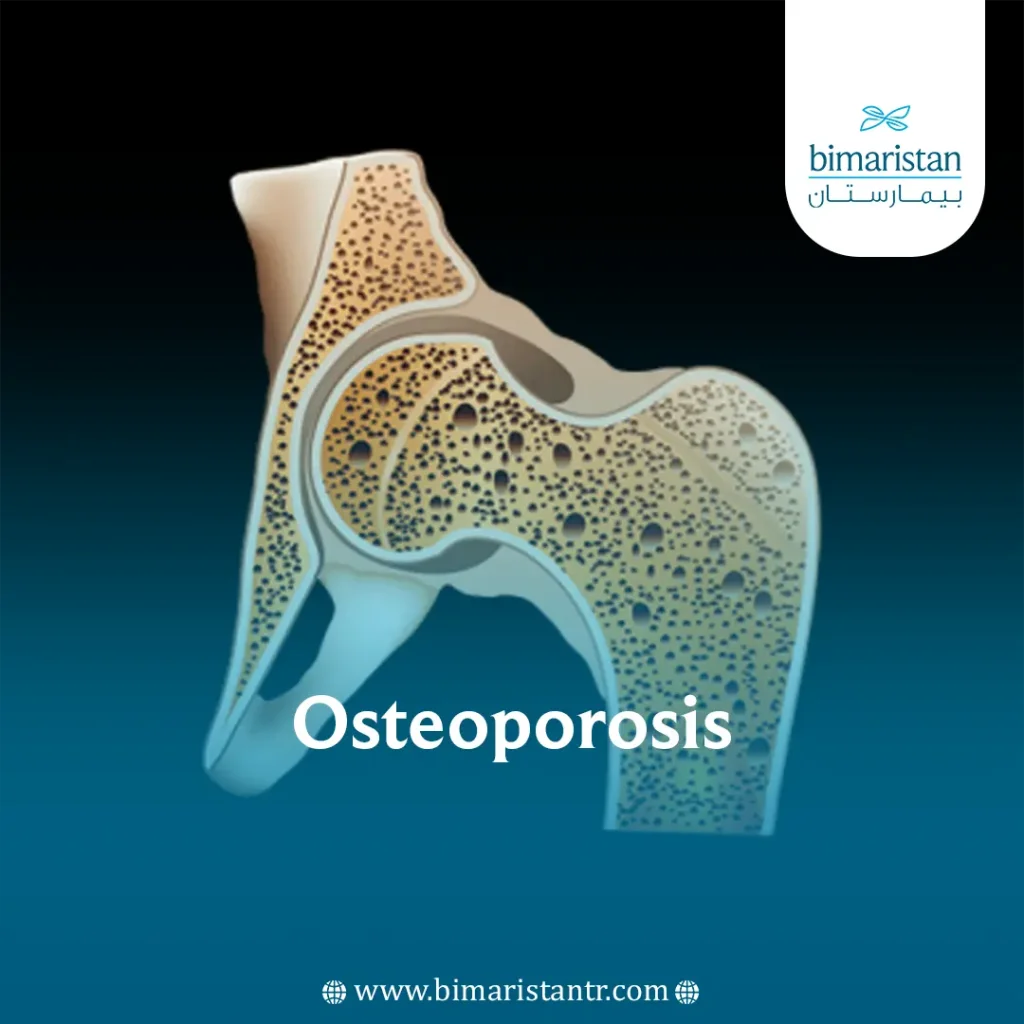
Furthermore, this regenerative approach aims to reverse existing damage rather than merely managing a baseline of decay. For aging populations, where minor falls often lead to catastrophic hip or spinal fractures, this pill provides a proactive defense mechanism. Researchers believe that a simple oral solution could significantly reduce the long-term healthcare burden associated with bone disease management.
The Situation Room: National Impact Analysis
The Translation (Clear Context)
The core logic behind this breakthrough is the shift from “maintenance” to “restoration.” Most existing drugs act like a dam, trying to hold back a flood of bone loss. This new bone recovery pill acts like a construction crew, actively repairing the foundation. By specifically activating osteoblasts, the drug ensures that the body’s natural building blocks are working at peak efficiency, even in advanced age.

The Socio-Economic Impact
In Pakistan, the socio-economic cost of osteoporosis is profound. Fractures often lead to permanent disability, placing a heavy financial and emotional strain on households. A successful rollout of this oral treatment would reduce the demand for expensive orthopedic surgeries and long-term rehabilitative care. For the average Pakistani citizen, this means improved quality of life for the elderly and a reduction in the “caregiver burden” that often stalls productivity in younger generations.
The Forward Path (Opinion)
This development represents a Momentum Shift. Moving toward regenerative medicine is the only way to address the skeletal health crisis in rapidly aging societies. While clinical trials must continue to ensure safety, the transition from managing symptoms to curing the underlying structural weakness is the catalyst needed for modern medical progress. This is a vital step toward precision-based national health security.








