
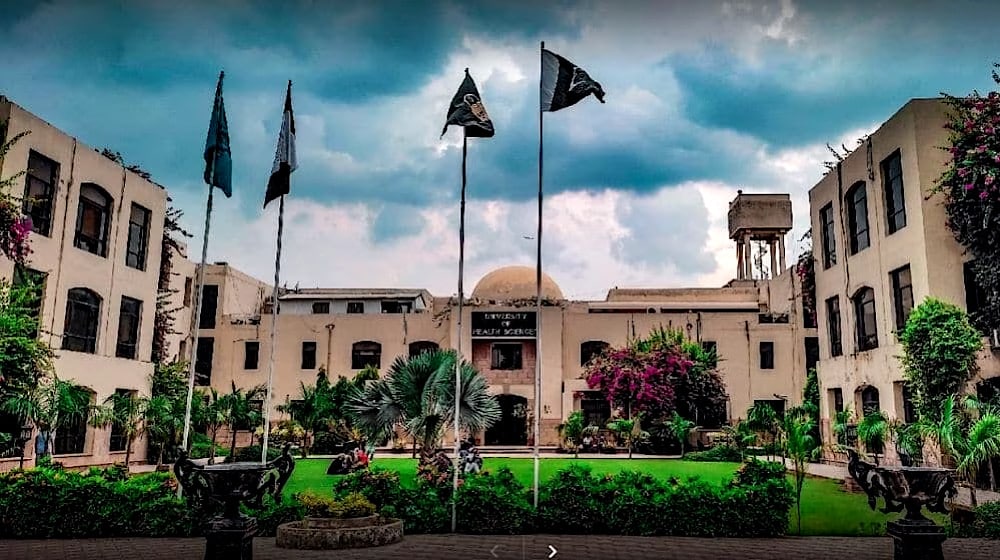
Strengthening the Medical Research Ecosystem
The University of Health Sciences (UHS) has strategically authorized seven new UHS certificate courses to modernize the domestic healthcare landscape. This precision-driven initiative focuses on enhancing research capacity, clinical skills, and laboratory standards for students across multiple health disciplines. By implementing these rigorous academic frameworks, UHS aims to create a baseline of excellence that aligns Pakistan’s medical training with international benchmarks.
Vice Chancellor Prof. Ahsan Waheed Rathore chaired the 225th meeting of the Advanced Studies and Research Board (ASRB) to formalize these approvals. Consequently, the university is now positioned to deploy specialized training in Quality Management for Clinical Laboratories and Blood Banking. This specific program serves as a catalyst for strengthening quality assurance and standardization across diagnostic facilities and transfusion services nationwide.
Calibrating Laboratory and Clinical Standards

Beyond laboratory management, the board cleared six additional programs designed to bridge the gap between theoretical knowledge and practical application. These courses cover critical domains such as clinical epidemiology, evidence-based medicine, and clinical trials management. Strategically, these certifications provide MBBS, BDS, and nursing students with essential exposure to research ethics and methodology.
Furthermore, the ASRB approved advanced certifications for allied health sciences students, focusing on biostatistics and laboratory research skills. The integration of Innovation and Translational Research into the curriculum ensures that future professionals can convert laboratory findings into viable clinical solutions. This structural update directly addresses the need for high-level grant writing and scientific communication within the local academic community.

- Certificate in Quality Management: Focuses on lab standardization and blood banking.
- Research Methodology & Clinical Exposure: Tailored for MBBS, BDS, and nursing students.
- Laboratory Research Skills: Specifically designed for allied health sciences.
- Advanced Research Methodology: Includes biostatistics and clinical epidemiology.
- Clinical Trials Management: Prepares students for pharmaceutical and clinical research.
- Grant Writing & Innovation: Focuses on translational research and communication.
- Research Ethics & Bioethics: Ensures adherence to international moral standards in medicine.
The Situation Room Analysis
The Translation (Clear Context)
Historically, Pakistan’s medical education has focused heavily on clinical practice with less emphasis on the “science” of healthcare delivery. By introducing these UHS certificate courses, the university is formalizing the professionalization of research and lab management. This move converts abstract medical knowledge into a calibrated, data-driven system where every lab result and research paper meets a standardized global metric.
The Socio-Economic Impact
For the average Pakistani citizen, this development translates to higher reliability in diagnostic testing and blood transfusion services. As students master quality management, the margin for error in clinical laboratories will decrease significantly. For the healthcare professional, these certifications offer a competitive edge in the global market, potentially increasing the export value of Pakistani medical expertise and improving domestic patient outcomes.
The “Forward Path” (Opinion)
This development represents a Momentum Shift for Pakistan’s healthcare sector. By prioritizing translational research and bioethics, UHS is not just maintaining the status quo but is actively building a modern research infrastructure. The next logical step is to integrate these certificates into mandatory continuing professional development (CPD) credits to ensure systemic adoption across all provincial health departments.








