
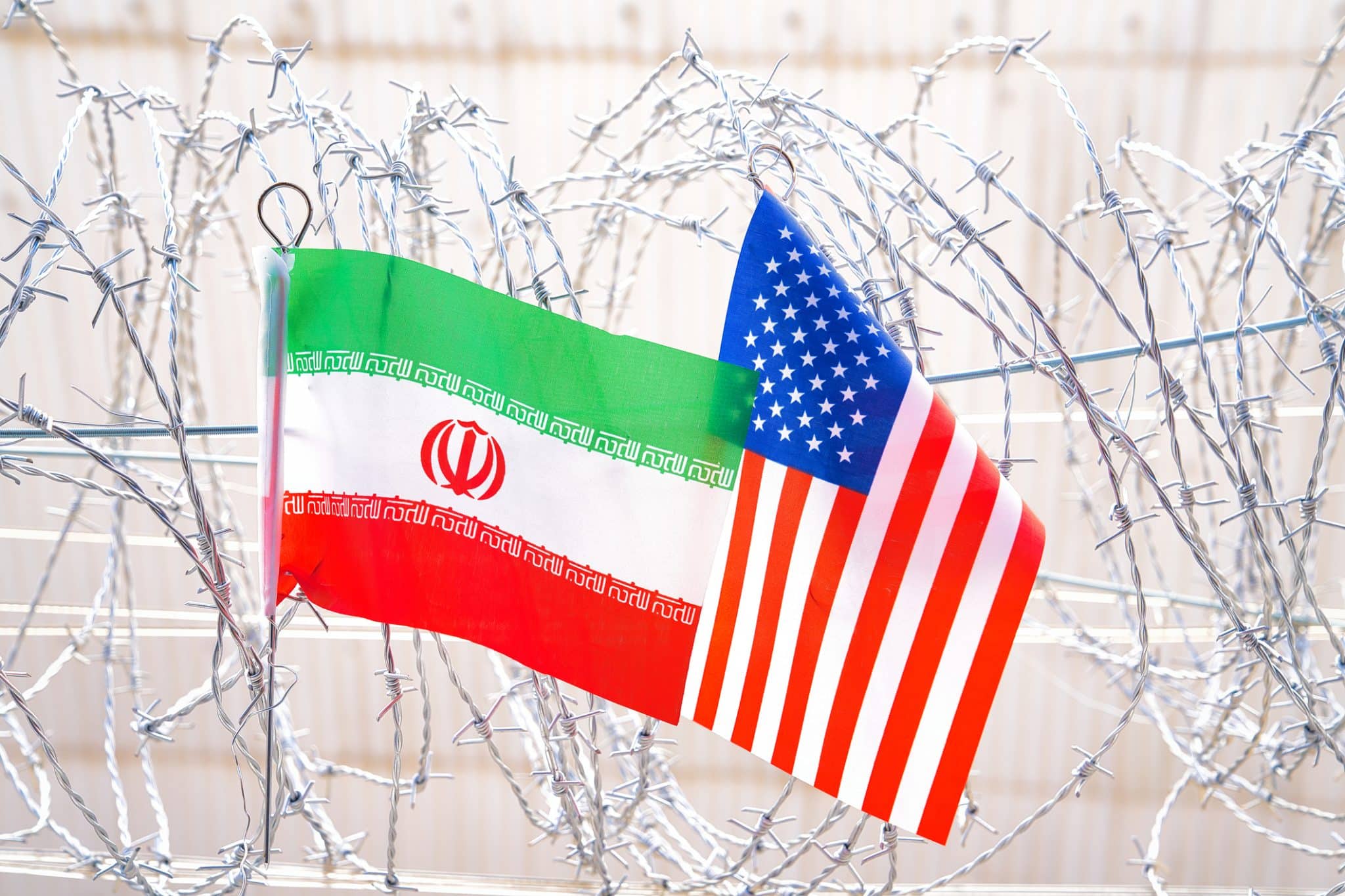
The pursuit of Middle East de-escalation represents a calibrated effort to maintain regional equilibrium. The United Arab Emirates recently issued a strategic directive, calling for an immediate cessation of hostilities across the region. This structural pivot emphasizes diplomatic engagement over military escalation to safeguard global energy corridors and ensure systemic security.
The Strategic Shift toward Middle East De-escalation
Abu Dhabi expressed profound concern regarding the current trajectory of regional developments. Consequently, the state warned that persistent kinetic conflict would degrade the foundational stability of the Middle East. Notably, the UAE refrained from attributing blame to the US military concerning the Islamabad MoU, despite ongoing friction between regional powers.
The leadership underscored the necessity of ensuring safe, precision-led navigation through the Strait of Hormuz. Furthermore, the official communiqué condemned all structural damage to civilian infrastructure, including schools and hospitals. Such actions constitute a severe breach of international legal frameworks that no state can justify under any circumstances.
Geopolitical Friction and Economic Alignment
Tehran recently alleged that the UAE provided logistical support for US military operations. However, the US Department of Commerce recently upgraded the UAE’s export status, signaling a strategic alignment between the two nations. Iran views this technical upgrade as empirical evidence of Abu Dhabi’s involvement in coordinated military strikes.
The Translation
In “Next Gen” terms, the UAE is prioritizing systemic preservation over ideological alignment. By refusing to blame the US while calling for peace, Abu Dhabi is navigating a “Neutrality Protocol.” They recognize that the Strait of Hormuz is a vital baseline for the global economy; any disruption there triggers a domino effect of hyper-inflation and supply chain collapse.
The Socio-Economic Impact
For the Pakistani citizen, this development is a critical indicator of economic security. Middle East de-escalation directly correlates with stable petroleum prices and the safety of the millions of Pakistani professionals working in the Gulf. Any escalation would likely result in a “precision shock” to remittances and a spike in domestic energy costs, impacting every household from Karachi to Islamabad.
The Forward Path
This development represents a Stabilization Move. While it does not resolve the underlying systemic friction between Iran and the US, it acts as a diplomatic “circuit breaker.” The UAE is positioning itself as a catalyst for regional precision, ensuring that trade remains the primary driver of regional interaction rather than kinetic warfare.








