
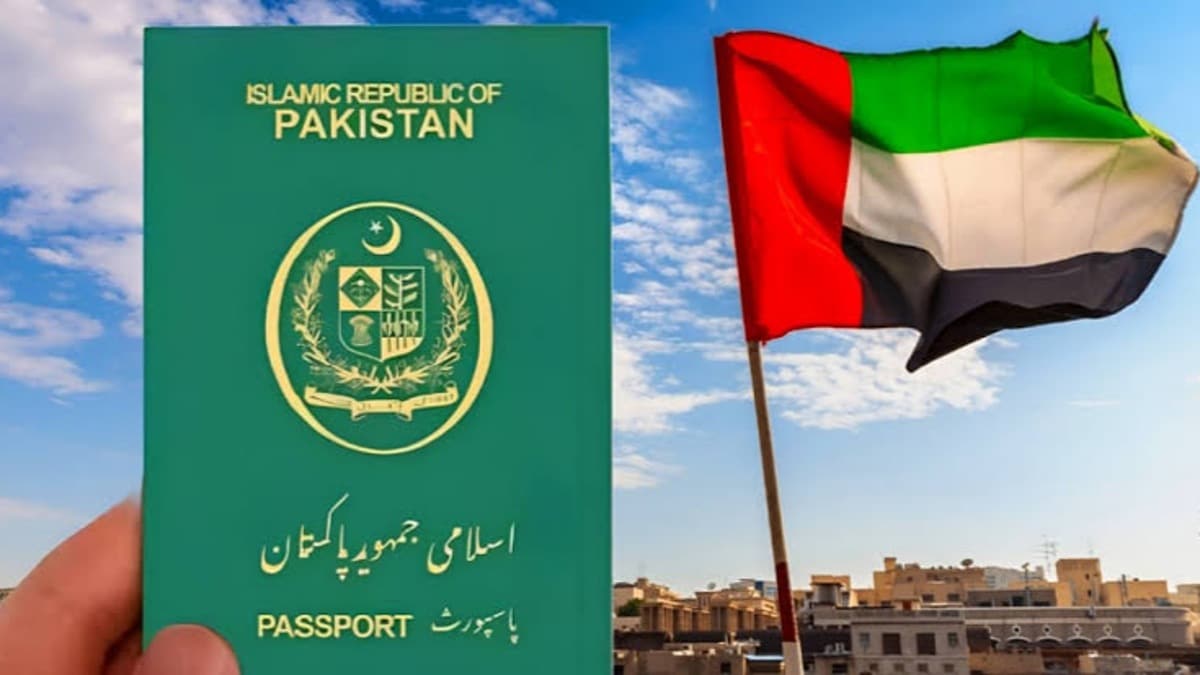
Maintaining systemic resilience requires a human-centric approach to climate adaptation. The UAE Consul General, Dr. Bakheet Ateeq, recently calibrated the UAE working hours in Karachi to mitigate the health risks posed by the current extreme heatwave. This strategic adjustment ensures that labor productivity does not come at the cost of human life during intervals of peak solar radiation. Consequently, the administration has directed all relevant entities to suspend outdoor operations during the most hazardous periods of the day.
Calibrating Safety: The New UAE Working Hours Protocol
The directive goes beyond mere time adjustments; it establishes a baseline for worker welfare. Dr. Ateeq has mandated that work be suspended between 12:30 p.m. and 3:00 p.m. amid the extreme weather conditions. To support this transition, the Consul General also directed the following safety measures:
- Provision of shaded rest areas for all personnel.
- Access to clean, chilled drinking water at all work sites.
- Implementation of necessary medical facilities to monitor heat exhaustion.
The formalization of these UAE working hours signifies a shift towards climate-aware policy. Dr. Ateeq emphasized that ensuring worker safety during severe weather is both a human and moral responsibility.
The Translation: Clear Context
Essentially, the UAE Consulate is formalizing a “thermal break” during the most dangerous hours of the day. By suspending work when the UV index and heat intensity peak, the administration is shifting from a standard output model to a climate-responsive operation. This move recognizes that environmental factors are critical variables in operational efficiency and human endurance.
The Socio-Economic Impact
For the average Karachi citizen, especially those in the construction or labor sectors, this policy provides immediate physical protection. It prevents heat-related illnesses that often lead to household financial instability due to medical costs or loss of income. Furthermore, it sets a professional benchmark for local Pakistani firms to adopt similar heatwave mitigation strategies, potentially standardizing safety across the urban landscape.
The Forward Path: Expert Opinion
This development represents a Momentum Shift. It marks a transition from reactive disaster management to proactive structural planning. As Pakistan faces increasing climate volatility, the integration of weather-based scheduling is a necessary evolution for system efficiency. These calibrated measures ensure that the workforce remains protected, maintaining the long-term stability of the labor market.








