
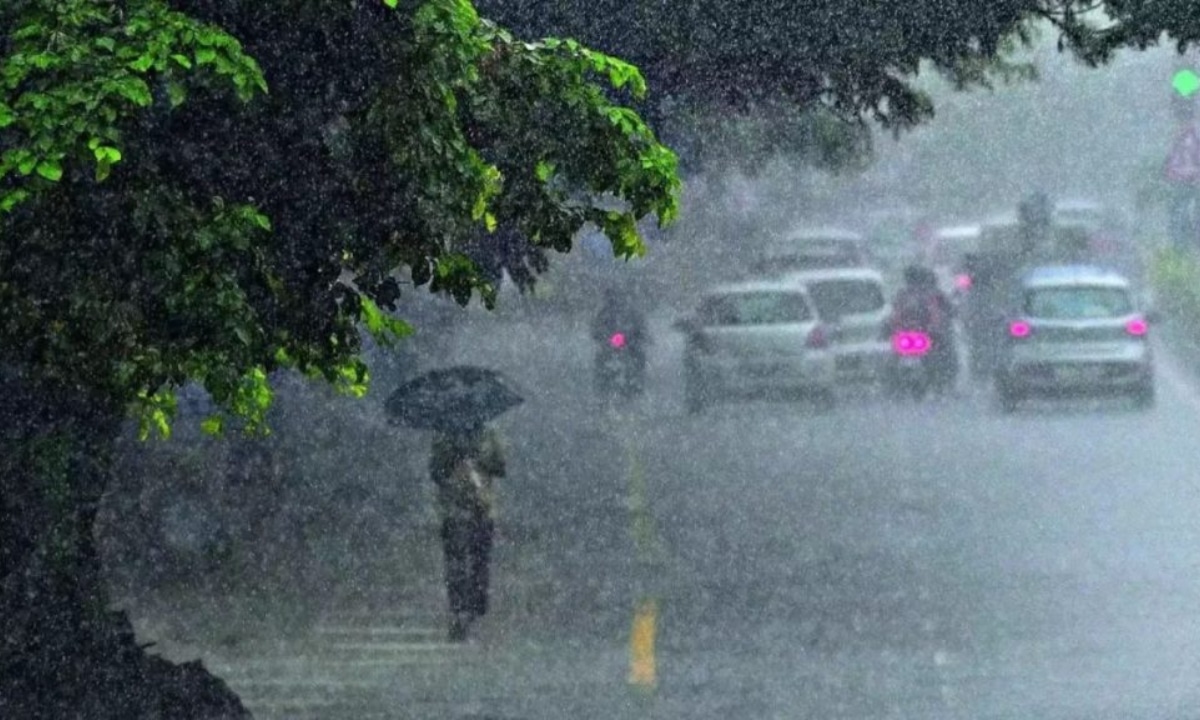
Climate patterns across the Indus Basin are currently undergoing a calibrated shift, triggering a Punjab weather alert as a weak weather system initiates dust-laden winds and fresh showers. Consequently, this meteorological development is expected to impact Lahore and various provincial districts, offering a strategic respite from the preceding thermal intensity.
According to the Met Office, Lahore recently recorded a minimum temperature baseline of 26°C. Meteorologists anticipate a maximum temperature of 34°C, significantly lower than previous heatwave peaks. Furthermore, the Provincial Disaster Management Authority (PDMA) has issued a high-precision alert for strong winds, potential hailstorms, and rainfall across the majority of the province’s geography.
Punjab Weather Alert: Calibrating Regional Climate Resilience
The precipitation footprint encompasses a broad spectrum of districts, including Rawalpindi, Murree, Galliyat, and Attock. Additionally, the system will influence central and southern hubs such as Faisalabad, Multan, and Bahawalpur. Structural readiness is currently the priority, as the PDMA expects rain to persist through the current operational cycle in districts like Jhang, Okara, and Gujranwala.
In response to the Punjab weather alert, Chief Minister Maryam Nawaz has directed commissioners and deputy commissioners to maintain heightened vigilance. Specifically, the Water and Sanitation Agency (WASA) in Lahore has deployed operational staff to ensure system efficiency during potential downpours. This synchronized administrative response aims to mitigate urban flooding and maintain regional mobility.
The Situation Room: Analysis
The Translation
The “weak weather system” mentioned by authorities refers to a low-pressure disturbance that lack the energy of a full monsoon but carries enough moisture to disrupt the thermal equilibrium. This results in “dust-laden winds,” which are common when dry air interacts with incoming moisture. The PDMA’s alert is a precautionary calibration intended to minimize the risks associated with unpredictable gusts and lightning strikes.
The Socio-Economic Impact
For the average Pakistani citizen, this shift represents a dual-edged catalyst. While the cooling effect improves productivity and reduces household energy consumption for cooling, the dust storms present challenges for the agricultural sector. Specifically, farmers must secure harvested crops against moisture damage. Furthermore, urban commuters must navigate potential visibility hazards and infrastructure delays during peak storm activity.
The Forward Path
In our expert view, this development represents a Stabilization Move. While it provides a necessary break from the intense heat, it does not signal a permanent climatic shift. Instead, it serves as a stress test for provincial disaster management systems. The rapid deployment of WASA and local administrative units demonstrates an improving precision in our national response to volatile weather patterns.
Safety Protocols and Guidelines
- Structural Safety: Avoid open areas and metallic structures during lightning and thunderstorms.
- Travel Precautions: Tourists in northern regions must exercise extreme caution due to potential terrain instability.
- Agricultural Vigilance: Farmers should implement precautionary measures to protect livestock and yields from hailstorms.
- Urban Awareness: Citizens should avoid standing near electric poles or weak structures during high-velocity winds.








