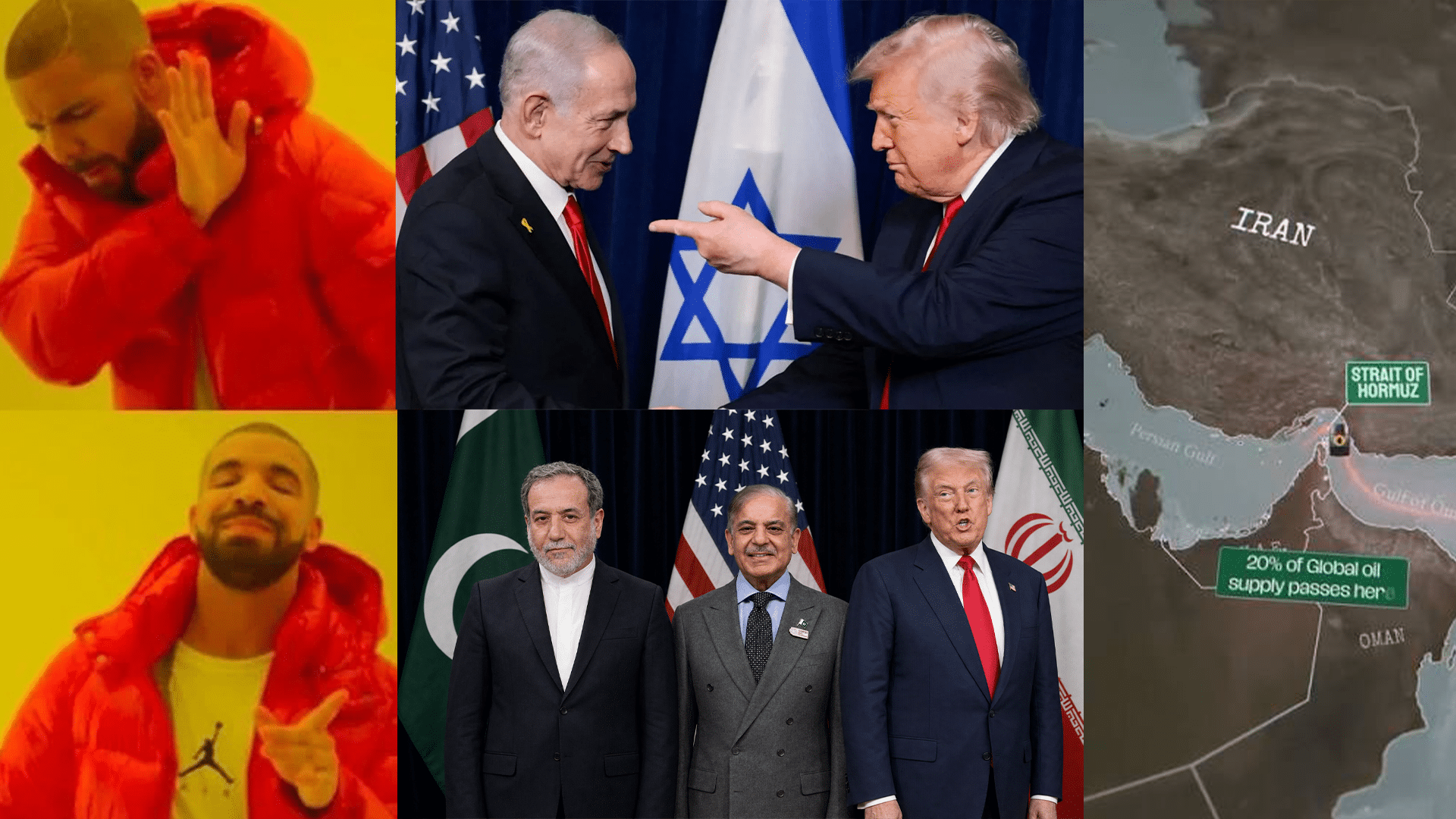
The recent geopolitical recalibration by the United States to facilitate Iran oil exports marks a significant structural pivot in global energy trade. By immediately lifting sanctions on banking, transportation, and insurance, the U.S. government aims to inject massive liquidity into the global market. Consequently, the Wall Street Journal reports that oil prices have already entered a calibrated descent, settling within the $71-$77 range for WTI and Brent crude.
Strategic Shifts in Global Iran Oil Exports
This deal serves as a catalyst for ending regional hostilities through economic integration. The United States has authorized immediate sanctions waivers, allowing Iran to deploy its energy reserves to international buyers. Furthermore, the agreement structures relief in phases, tying long-term ease to strict compliance and performance metrics. This precision-based approach ensures that the market remains supplied while maintaining diplomatic leverage.
The Translation: Deconstructing the Deal
In technical terms, the U.S. has reactivated the baseline financial infrastructure required for high-volume energy trading. Removing barriers to banking and insurance means that Iran oil exports can flow without the risk of seizure or financial penalties. This transition moves the energy sector from a state of artificial scarcity to a market-driven equilibrium. The logic is simple: increased supply mitigates the risk of price shocks during global transitions.
The Socio-Economic Impact: Relief for Pakistani Households
For the average Pakistani citizen, this development offers a direct economic baseline for recovery. As global oil prices stabilize, the cost of imported fuel decreases, which directly reduces the price of logistics and public transport. Students and professionals in urban centers like Karachi and Lahore will likely see a reduction in daily commuting costs. Furthermore, lower energy inputs for agriculture will help control food inflation in rural districts, providing much-needed breathing room for family budgets.
The Forward Path: A Momentum Shift
We categorize this development as a definitive Momentum Shift. Rather than maintaining a stale-mate, this strategic move utilizes energy as a tool for regional stabilization. The precision of the sanctions waivers indicates a forward-thinking policy that prioritizes economic reality over political optics. For Pakistan, this creates a more predictable energy landscape, allowing for better national fiscal planning and structural growth.