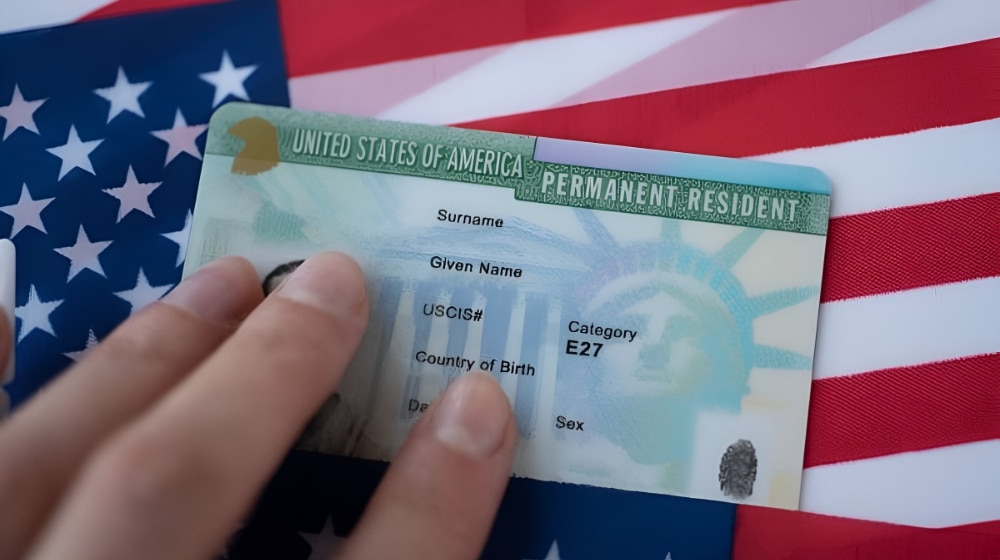
The US Citizenship and Immigration Services (USCIS) recently announced a precision-based policy shift regarding US Green Card rules, prioritizing systemic integrity over applicant convenience. This calibrated regulatory framework effectively dismantles the long-standing “adjustment of status” pathway for most foreign nationals. Consequently, individuals seeking permanent residency must now exit the United States to complete their immigrant visa processing at American consulates abroad.
The Situation Room: Navigating US Green Card Rules
Under this new policy memorandum, the administration mandates that applicants already residing in the US on temporary visas—including students, tourists, and temporary workers—must generally process their applications through the Department of State. Furthermore, the USCIS clarified that officers will only approve in-country adjustments under “extraordinary circumstances.” This strategic move aims to restore the original intent of immigration law by ensuring applicants strictly follow the designated visa process.
The Translation: Structural Shifts in Visa Processing
In “Next Gen” terms, the “adjustment of status” was previously a mechanism that allowed visa holders to transition to permanent residency without leaving American soil. By restricting this pathway, the government is introducing a “Consular First” logic. Specifically, immigration officers must now assess if an applicant’s current activities align perfectly with their initial entry intent. If the data suggests a deviation from that intent, the applicant faces immediate processing hurdles at overseas consulates rather than domestic offices.
Socio-Economic Impact: Assessing US Green Card Rules
For the Pakistani diaspora, this development introduces significant operational friction. Pakistani students and high-skilled professionals on H-1B visas must now account for the risk of lengthy family separations. Furthermore, the transition to overseas processing often results in unpredictable delays at consulates in the region. Consequently, these updated US Green Card rules may force households to manage dual-country living expenses, impacting the financial stability of many Pakistani-American families and their dependents back home.
The Forward Path: Momentum or Stabilization?
This development represents a Stabilization Move regarding legal enforcement but creates a negative Momentum Shift for global talent mobility. While the policy enforces a disciplined adherence to visa categories, it introduces systemic inefficiencies that could discourage international talent from choosing the US as a long-term destination. To maintain a competitive edge, the system eventually requires a balance between strict intent verification and the fluid movement of the global workforce.