
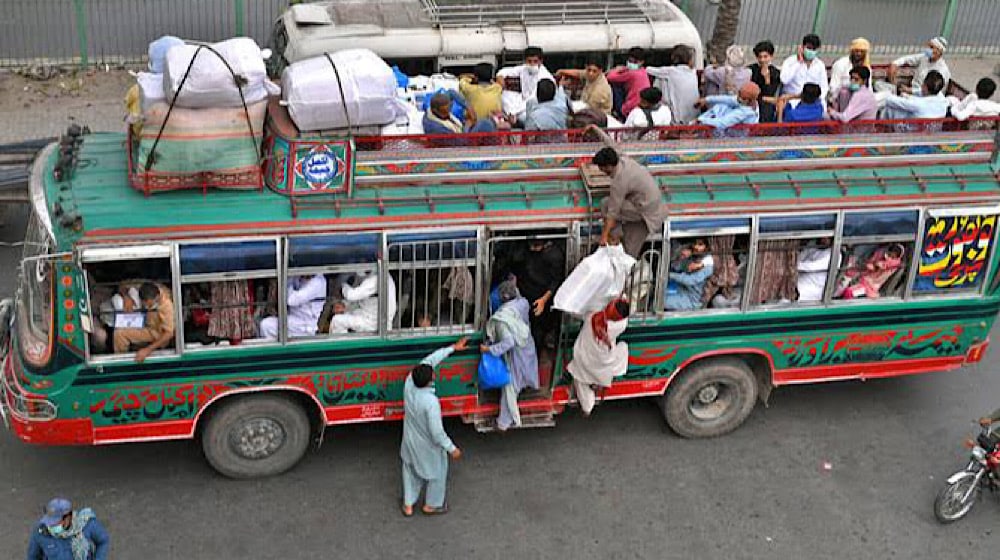
The structural stability of a nation’s supply chain relies on a calibrated balance between energy costs and logistics efficiency. Currently, the Fleet Operators Association of Pakistan (FOAP) is signaling a critical failure in this balance, urging Prime Minister Shehbaz Sharif to implement a Pakistan diesel prices reduction immediately. The association warns that surging operational costs and an aggressive withholding tax regime threaten to paralyze nationwide logistics and commerce.
The Mathematical Deficit: Why Pakistan Diesel Prices Matter
Chairman Rana Asim Shakoor, representing over 100 logistics providers, detailed a staggering shift in industry economics. Within a single month, diesel costs escalated from Rs. 281 per litre in March to a peak of Rs. 521 per litre by early April. Consequently, fuel expenses, which traditionally comprised 40% of operating budgets, now consume up to 65% of gross revenue. This precision-drain on capital leaves zero margin for maintenance or fleet modernization.

Furthermore, the association highlighted a 6% withholding tax that functions as a “minimum tax” ceiling. This levy effectively absorbs 60% of the industry’s remaining margins. FOAP maintains that this tax burden is disproportionately higher than other sectors, creating a structural disadvantage for transport service providers.
The Translation: Understanding the Logistics Bottleneck
To understand the FOAP’s plea, one must view the logistics sector as the economy’s “circulatory system.” When fuel prices double, the cost of moving every kg of wheat, cement, or medicine doubles. The “6% withholding tax” is particularly lethal because the government calculates it on total revenue, not actual profit. In a high-cost environment, a company could be losing money and still owe a massive tax bill, leading to a mandatory shutdown of operations.
The Socio-Economic Impact: From Ports to Plates
The impact of Pakistan diesel prices cascades directly into the average Pakistani household. If transporters suspend services, the scarcity of essential commodities will trigger a sharp inflationary spike. Specifically, urban centers relying on daily supply chains for fresh produce will face immediate shortages. For the Pakistani professional, this means increased costs of living, while for the logistics laborer, it threatens job security in a shrinking industry.
The Forward Path: A Stabilization Move
NGP analyzes this development as a necessary Stabilization Move. The current trajectory is unsustainable for private operators. FOAP has correctly identified that without a targeted fuel subsidy or a tax restructuring, the private sector cannot bridge the gap between global energy volatility and local affordability. A calibrated intervention is required to prevent a systemic “Momentum Shift” into economic stagnation.

Strategic logistics planning requires predictable energy baselines. Until the government addresses these fundamental cost drivers, the threat of a nationwide supply chain disruption remains a high-probability risk for Pakistan.








