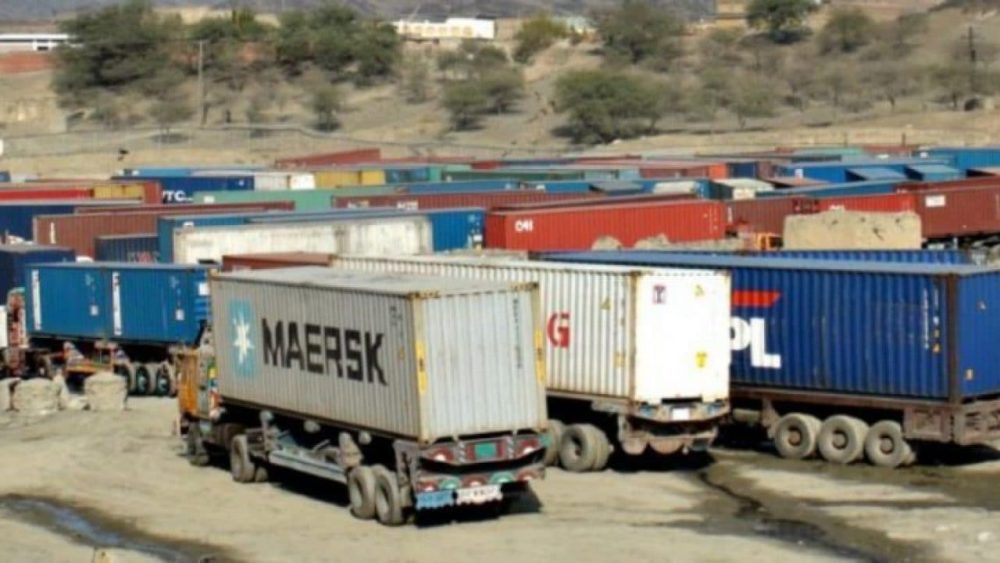
Efficient logistics serve as the skeletal framework of any advancing nation. Consequently, the recent 5% increase in Pakistan transport fares represents a significant recalibration of the national supply chain. The Pakistan Goods Transport Alliance announced this adjustment following the government’s decision to surge petrol and diesel prices. This strategic fare hike aims to mitigate the unsustainable operational costs currently paralyzing the logistics sector.
The Situation Room: Structural Analysis
The Translation (Clear Context)
While a 5% increase might seem marginal, the underlying data reveals a different narrative. Transporters are not seeking profit; they are fighting for survival. A single trailer trip now costs an additional Rs 200,000. For high-frequency operators making four trips per month, expenses have spiked by Rs 800,000. This is not a simple fare adjustment but a desperate attempt to maintain a functional baseline for national goods movement.

The Socio-Economic Impact
This development directly impacts every Pakistani household. Logistics costs function as a “hidden tax” on consumer goods. Consequently, as Pakistan transport fares rise, the cost of flour, sugar, and essential medicines will inevitably follow. For the urban professional and the rural laborer alike, this move tightens the inflationary squeeze, reducing disposable income across all demographics.
The “Forward Path” (Opinion)
This development represents a Stabilization Move rather than a growth catalyst. The Alliance is essentially in “survival mode.” Without systemic intervention, we risk a total supply chain freeze. The current trajectory is unsustainable, and the government must act to prevent a complete logistical breakdown.
Rising Operating Costs and the Pakistan Transport Fares Surge
Alliance president Malik Shehzad Awan emphasized that the current economic pressure is forcing thousands of vehicles to remain stationary. Furthermore, regional tensions and global energy volatility have created a precision crisis for local operators. The logistics sector cannot absorb these shocks without passing the burden to the end consumer.
Strategic Demands for Relief
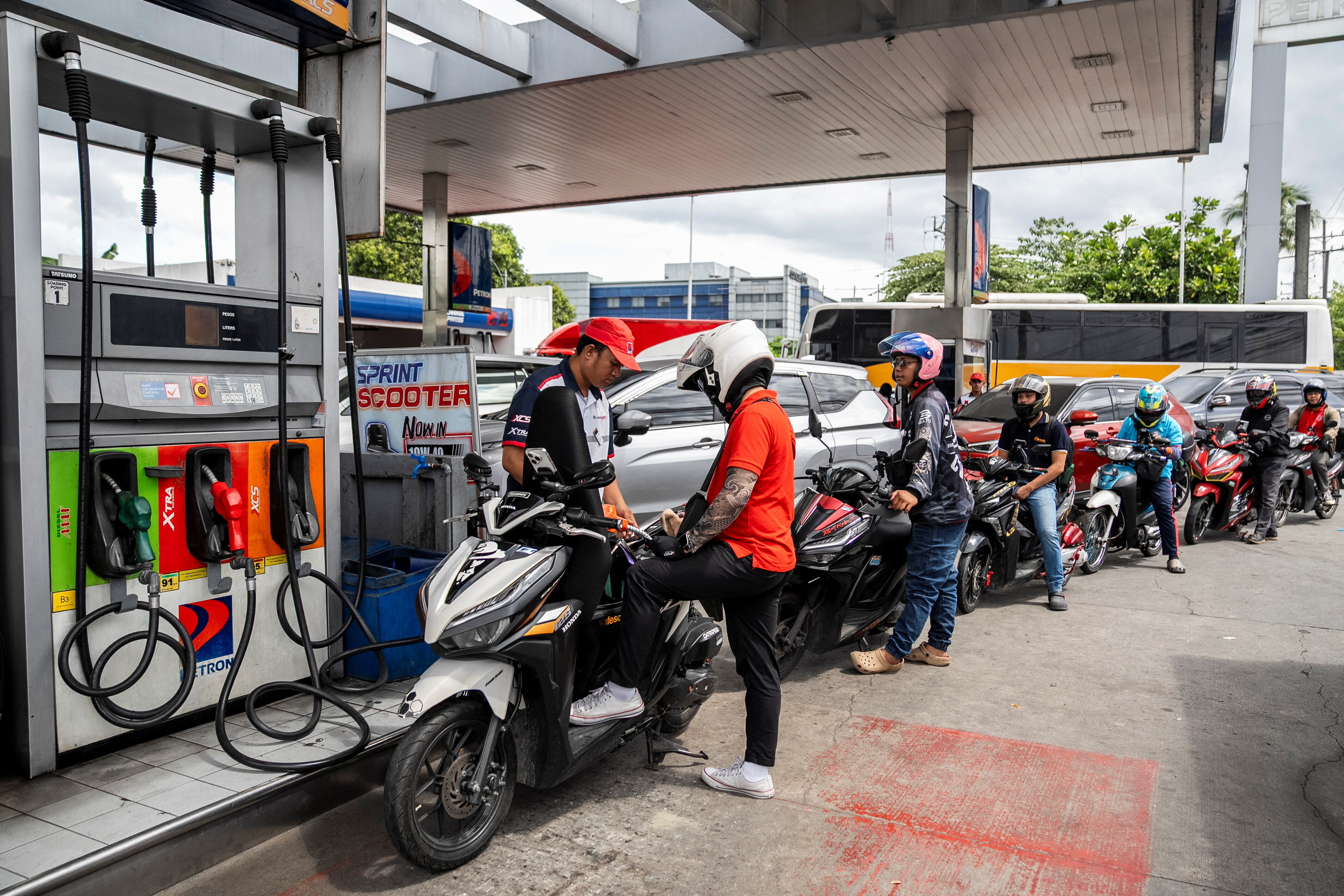
To prevent a full-scale disruption of the transport system, the Alliance has proposed several precision relief measures. These include:
- Abolishing toll taxes to reduce per-trip overhead.
- Removing withholding taxes to improve immediate cash flow for operators.
- Ending arbitrary traffic fines imposed by motorway and traffic police.
Transporters argue that the current Rs 80,000 subsidy for truck trailers is fundamentally inadequate. It fails to address the exponential rise in fuel costs that has occurred over the last fiscal quarter.
Supply Chain Risks and National Momentum
The threat of a nationwide shutdown looms. If the government does not review these policies, the movement of food and medicine could halt entirely. Currently, transporters are operating at a loss in the national interest. However, patriotism cannot bridge the gap created by a failing economic baseline. A calibrated response from the federal government is now a strategic necessity to maintain national stability.