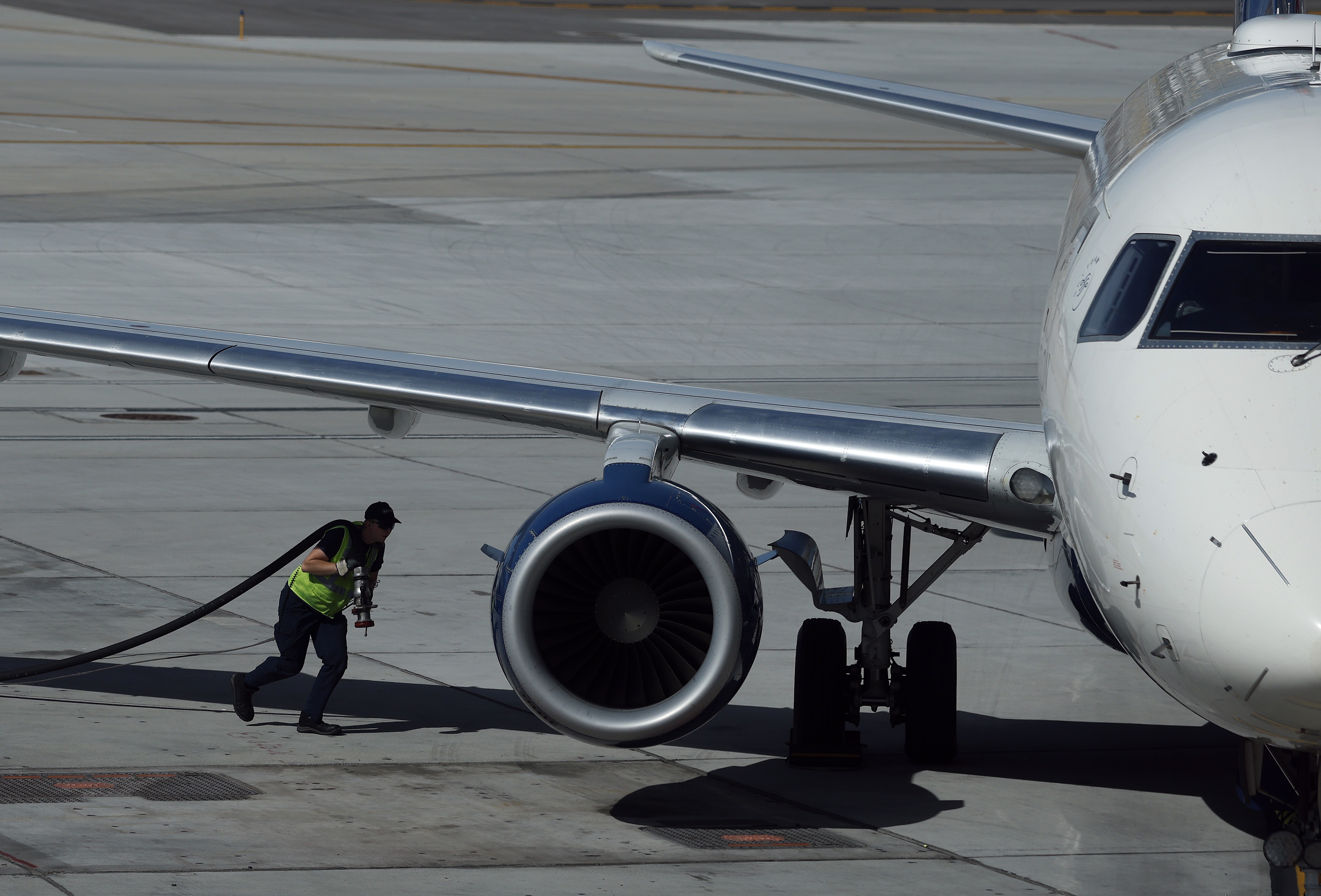
The Government of Pakistan has implemented a strategic yet taxing petroleum price hike, adjusting the national energy baseline. While commercial aviation receives a calibrated reduction in jet fuel costs, the structural increase in high-speed diesel and petrol prices signals an immediate catalyst for broader inflationary pressure across the domestic landscape.
The Translation: Deconstructing the Energy Calibration
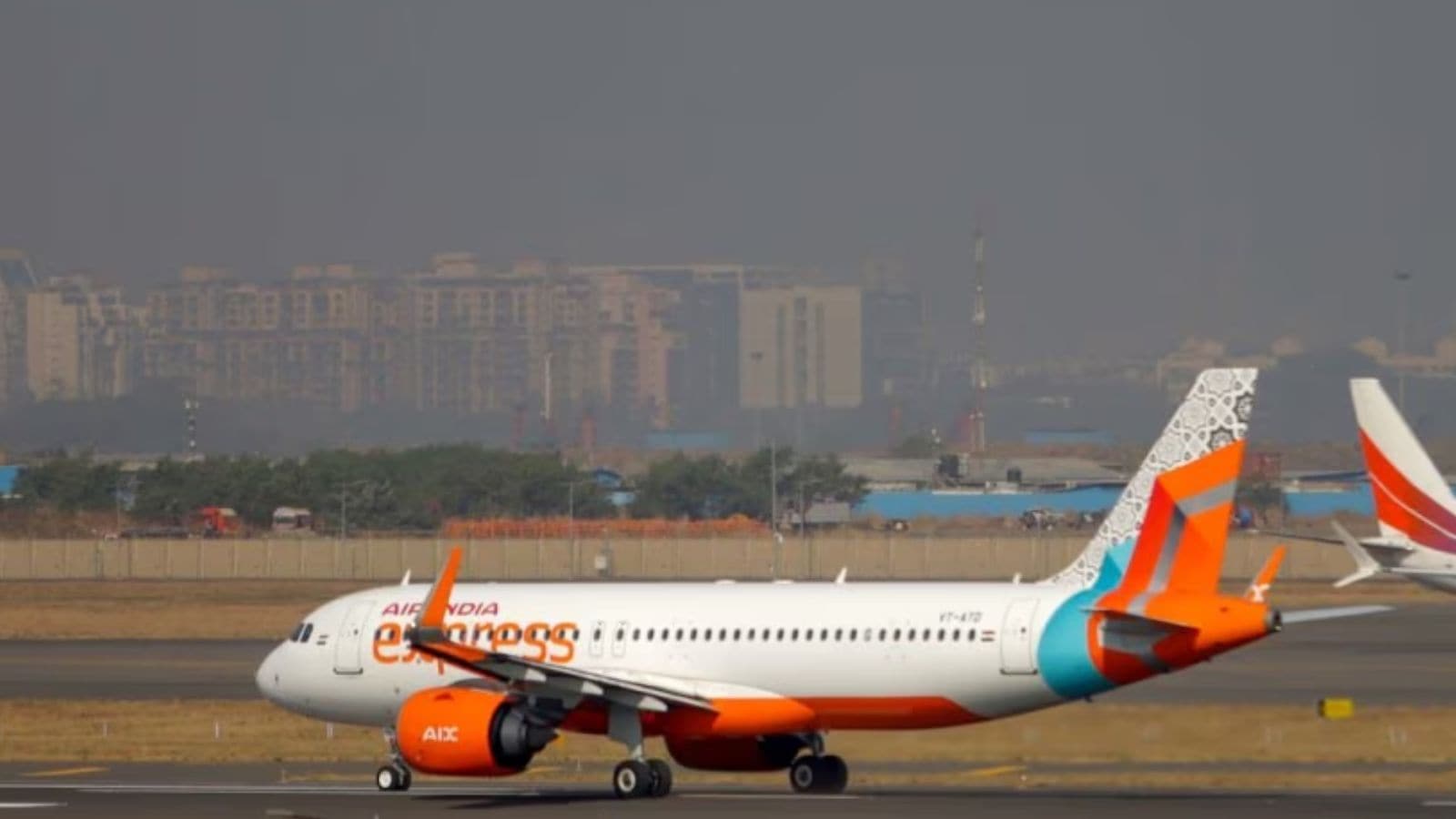
To understand the logic behind these figures, we must look at the precision of the government’s latest fiscal adjustments. The authorities have reduced jet fuel rates by Rs7.76 per litre, moving the price from Rs396.31 to Rs388.58. This move aims to stabilize the aviation sector’s operational overhead. However, the petroleum price hike disproportionately affects the industrial and transport sectors through the following adjustments:
- High-Speed Diesel (HSD): Increased by Rs19.39, rising from Rs380.19 to Rs399.58.
- Petrol (Motor Spirit): Increased by Rs6.51, rising from Rs393.35 to Rs399.86.
- Light Diesel Oil (LDO): Increased by Rs17.03, rising from Rs270.51 to Rs287.54.
The Socio-Economic Impact: Precision at the Household Level
This petroleum price hike directly impacts the logistical spine of Pakistan. High-speed diesel is the primary fuel for the heavy transport vehicles that move food and essential goods. Consequently, Pakistani citizens will likely witness a secondary surge in commodity prices as transport companies pass these costs to the consumer.
Furthermore, the sharp rise in Light Diesel Oil—a staple for agricultural machinery and rural transport—threatens the profit margins of small-scale farmers. This development adds a layer of complexity to the national food security matrix, as irrigation and harvesting costs follow this upward trajectory. For the urban professional, the petrol increase further constrains disposable income during an already volatile economic period.
The Forward Path: Momentum Shift or Stabilization?
From an architectural standpoint, this move represents a Stabilization Move rather than a Momentum Shift. The government is reacting to global market volatility and domestic fiscal requirements by adjusting prices to reflect real-world costs. While the jet fuel relief provides a minor respite for airlines, the macro-impact of the diesel and petrol surge remains the dominant narrative.
For Pakistan to achieve long-term system efficiency, we must decouple our primary transport and agricultural sectors from global oil price fluctuations through localized energy innovation and strategic reserves. Without such structural pivots, the cycle of volatility will continue to strain the national baseline.