Optimizing Asset Acquisition: The New Baseline for Toyota Car Bookings
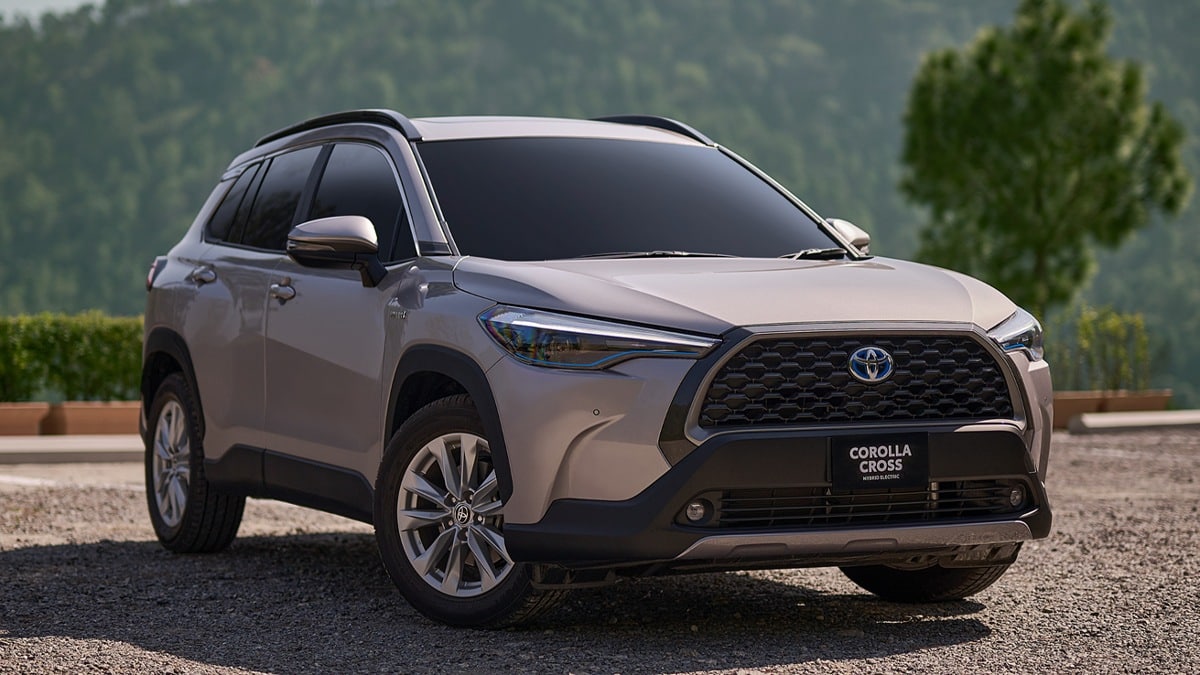
National industrial output relies on calibrated financial instruments that facilitate efficient asset acquisition. Toyota Pakistan has strategically optimized Toyota car bookings for July 2026 by integrating a comprehensive incentive package with HBL Auto Finance. This structural alignment aims to streamline the procurement process for the Toyota Corolla 1.6 CVT. Consequently, the collaboration provides a precise roadmap for consumers seeking to balance immediate utility with long-term maintenance efficiency.
The Translation: Deconstructing the Technical Incentives
To understand the logic behind this development, one must analyze the specific components of the offer. Specifically, Toyota is providing free Periodic Preventive Maintenance (PPM) for a limited duration. This reduces the baseline operational cost of the vehicle significantly. Furthermore, the 1.5% insurance rate, inclusive of a tracking system, represents a calibrated reduction in recurring liabilities. Priority delivery ensures that capital remains productive rather than being locked in an extended waiting period.
The Socio-Economic Impact: Mobility as a Catalyst for Growth
How does this change the daily life of a Pakistani citizen? For the urban professional and the rural business owner, car ownership is a fundamental tool for economic participation. By reducing the insurance and maintenance barriers, Toyota and HBL are lowering the entry threshold for reliable transportation. This shift enables households to allocate their savings toward other productive sectors. Effectively, these subsidized Toyota car bookings act as a catalyst for personal financial stability during a period of global economic calibration.
The Forward Path: A Stabilization Move for the Industry
From an architectural perspective, this development represents a Stabilization Move. While it does not fundamentally alter the manufacturing cost structure, it successfully stabilizes the demand curve. By incentivizing Toyota car bookings through the HBL network, the industry maintains its operational momentum. We anticipate that such strategic partnerships will become the standard for maintaining ecosystem efficiency in the Pakistani automotive market. However, long-term growth will still require domestic supply chain localization to ensure sustainable affordability.