
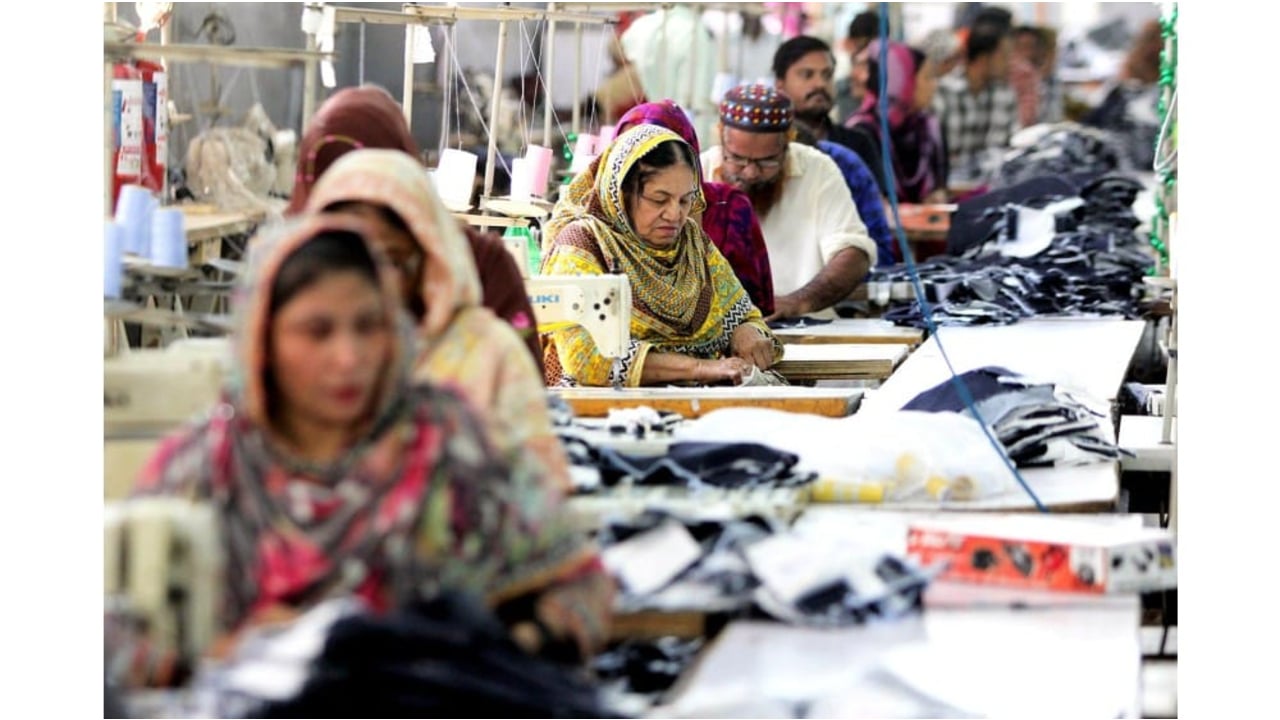
National industrial resilience requires a tax framework calibrated for growth rather than structural impediments that penalize compliant actors. The All Pakistan Textile Mills Association (APTMA) has formally challenged the Federal Board of Revenue (FBR) regarding proposed sales tax penalties in the Finance Bill 2026. This legislative shift threatens to destabilize Pakistan’s primary export engine by holding manufacturers liable for the tax defaults or fraudulent activities of their third-party suppliers. Consequently, businesses that follow every regulatory baseline may still face severe financial repercussions for actions outside their immediate control.
Structural Analysis of Proposed Sales Tax Penalties
The core of the dispute centers on the insertion of Serial Nos. 30 and 31 into Section 33 of the Sales Tax Act, 1990. Under these provisions, the FBR could force buyers to reverse input tax claims and pay default surcharges if a supplier fails to declare output tax. Furthermore, even if a buyer utilizes the FBR’s own computerized validation systems, they remain vulnerable to penalties if that supplier is later flagged on the Simulated Invoice Issuers Register. This architectural flaw in the tax code shifts the burden of law enforcement from the state to the private sector.
The textile industry operates through thousands of monthly transactions involving hundreds of diverse suppliers. Monitoring the future compliance status of every vendor is logistically impossible for even the most sophisticated manufacturers. Therefore, these measures significantly increase compliance costs and create a climate of transaction uncertainty that could disrupt the entire supply chain.
The Translation: Contextualizing the Finance Bill
In simple terms, the government is attempting to eliminate “paper companies” and tax fraud. However, the current logic assumes that the buyer is responsible for the seller’s honesty. Next Gen Clarity: Instead of the FBR using its digital infrastructure to block fraudulent actors at the source, it is treating the honest manufacturer as a safety net for lost revenue. This creates a “guilty by association” environment for the textile industry.
The Socio-Economic Impact: From Factory to Household
The implications of these sales tax penalties extend far beyond corporate balance sheets. For the average Pakistani citizen, this regulatory pressure translates into:
- Employment Risk: Increased litigation and compliance costs reduce the capital available for factory expansion and job creation.
- Export Competitiveness: As operational costs rise, Pakistani textiles become more expensive on the global market, potentially reducing foreign exchange reserves.
- Supply Chain Inflation: Increased risk leads to higher pricing across the textile value chain, eventually impacting the cost of finished goods for local consumers.
The Forward Path: A Momentum Shift?
This development represents a Stabilization Move gone wrong. While the intent to curb tax fraud is necessary for national progress, the execution lacks the precision required for a STEM-driven economy. For a true momentum shift, the FBR must calibrate its computerized systems to provide real-time indemnity for buyers who use validated invoices. Penalties should target the fraudulent entity specifically, rather than casting a net that entangles the nation’s largest industrial contributors. A system that punishes precision-driven compliance is a system that requires immediate structural recalibration.








