
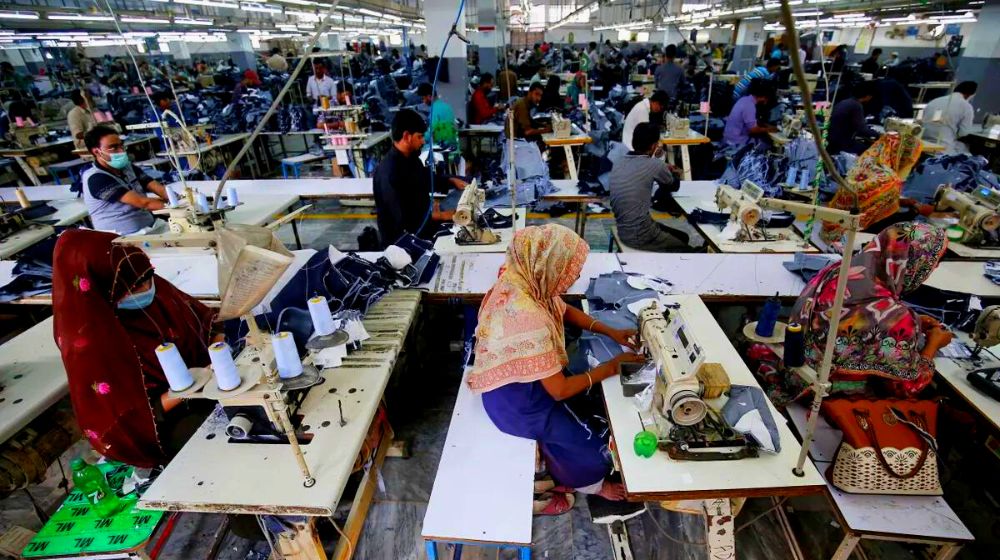
National advancement depends on the precision of our industrial framework. Consequently, the textile and apparel sector recently proposed a calibrated suite of policy reforms for the Federal Budget 2026–27. These recommendations focus on textile industry relief to reduce production costs and catalyze industrial efficiency. By strengthening liquidity and encouraging technological upgrades, the sector aims to establish a more stable, investor-friendly business environment.
Structural Pillars for Textile Industry Relief
Finance Minister Senator Muhammad Aurangzeb recently met with a high-level delegation of textile industry stakeholders. This group, representing leading chambers and associations, presented a comprehensive set of proposals. They specifically emphasized the necessity of an internationally competitive policy environment. Furthermore, they argued that such a framework allows the industry to respond to evolving global market dynamics effectively.
The delegation’s recommendations span taxation reforms, energy affordability, and export facilitation. These strategic moves aim to enhance exporters’ liquidity positions and facilitate industrial modernization. Consequently, timely policy support will promote value-added manufacturing and attract fresh domestic and foreign investment. These structural shifts are essential to integrate Pakistan more deeply into international supply chains.
The Translation: Technical Context
The core logic behind these demands lies in “Operational Fluidity.” Currently, the textile sector faces friction from high energy costs and delayed tax refunds. When the industry asks for textile industry relief, it is actually seeking a removal of these systemic bottlenecks. Rationalized energy pricing acts as a baseline catalyst for productivity. Similarly, efficient refund mechanisms ensure that capital remains deployed toward production rather than being trapped in administrative cycles.

Socio-Economic Impact: The Citizen’s Perspective
How does this industrial calibration affect the average Pakistani citizen? Primarily, a healthy textile sector serves as a massive employment engine. When companies access textile industry relief, they can allocate resources toward workforce development and industrial expansion. This creates stable jobs for both urban and rural populations. Additionally, increased foreign exchange inflows stabilize the national currency, which directly mitigates the inflationary pressures on household budgets.

The Forward Path: A Momentum Shift
The Finance Minister’s commitment to year-round consultation marks a significant “Momentum Shift.” Moving away from seasonal budget discussions toward a sustained dialogue through the Tax Policy Office suggests a transition toward data-driven governance. Furthermore, the introduction of digital monitoring across sectors—including the textile industry—will enhance transparency. This technological integration is the precision tool required to improve revenue administration and ensure fair competition.
Ultimately, the government’s willingness to review these proposals indicates a strategic alignment with export-led growth. While the textile sector must embrace documentation and digital tracking, the state must provide the necessary energy and tax relief. This mutual commitment will define Pakistan’s industrial trajectory for the 2026-27 fiscal cycle.








