
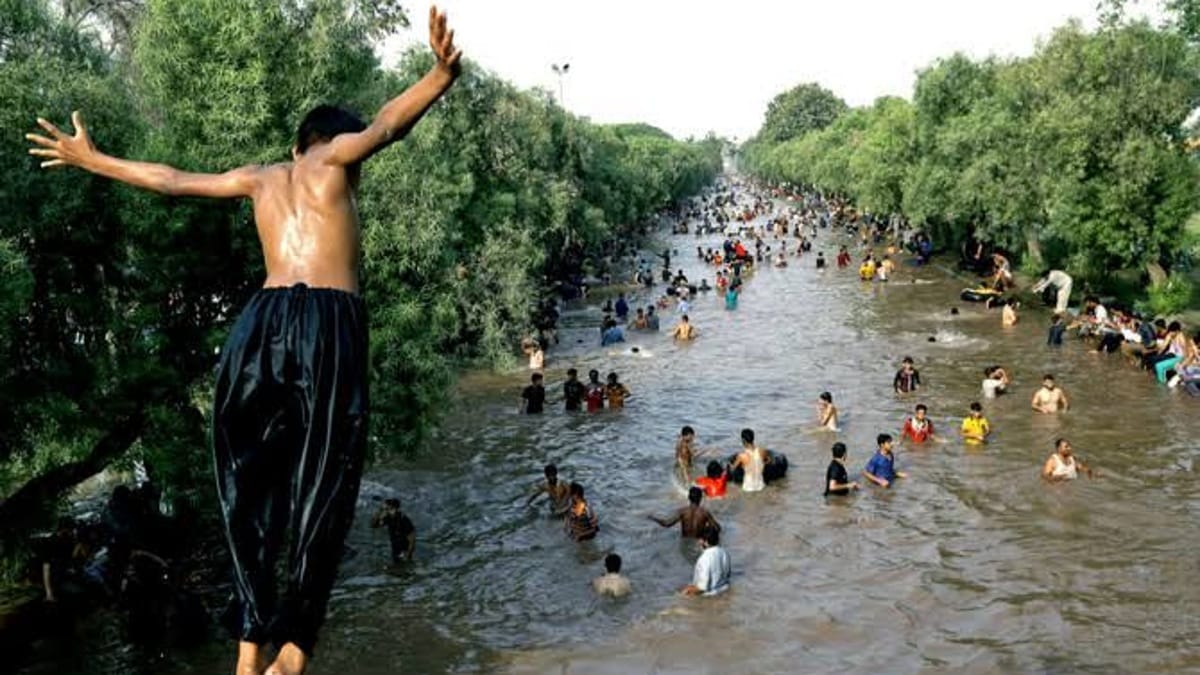
The Punjab swimming ban, recently enforced by the divisional administration, represents a calibrated response to the looming monsoon season. To mitigate the risk of drowning and water-related accidents, Commissioner Rawalpindi Abdul Aamer Khattak directed district authorities in Rawalpindi, Attock, Chakwal, Jhelum, and Murree to impose Section 144. This legal mechanism strictly prohibits swimming and recreational activities in canals, dams, and other fast-flowing water bodies during the heavy rain period.
Strategic Implementation of the Punjab Swimming Ban
The administrative directive follows a high-level structural review of the division’s monsoon preparedness. Commissioner Khattak chaired the briefing, which included Deputy Commissioners and key civic officials. Consequently, the administration ordered several precision measures to bolster urban resilience:
- Section 144 Enforcement: Absolute ban on water-based recreation in high-turbulence zones.
- Control Centers: Establishment of 24/7 monitoring hubs to track flood-related data.
- Asset Inventory: Districts must submit resource requirements to the Provincial Disaster Management Authority (PDMA) immediately.
- Infrastructure Maintenance: Urgent geo-tagging of manholes and cleaning of the Leh Nullah.
Furthermore, Rescue 1122 and Civil Defence teams will execute regular mock drills. These exercises ensure the system remains at peak operational readiness to handle sudden surges in water volume.
The Translation: Technical Clarity
In legal terms, Section 144 empowers the district administration to issue immediate orders in the interest of public safety. This is not merely a restriction; it is a defensive protocol designed to prevent the systemic strain caused by avoidable rescue operations during natural disasters. By clearing storm drains and removing encroachments, the administration aims to optimize hydraulic flow and prevent the urban flooding that frequently paralyzes northern districts.
The Socio-Economic Impact
The enforcement of the Punjab swimming ban directly impacts public safety by reducing the baseline of monsoon-related casualties. For the average citizen, this move translates to safer urban navigation through covered manholes and more efficient drainage. While it temporarily halts local recreation, it secures the workforce and student populations against the unpredictable dangers of flash floods and fast-flowing nullahs.
The Forward Path: Strategic Analysis
This development represents a Momentum Shift toward proactive disaster management. Moving from reactive rescue to preventive geo-tagging and early-warning control rooms signifies a more mature administrative framework. To sustain this progress, the division should transition from seasonal bans to permanent, tech-enabled water safety infrastructure and public education campaigns on hydro-safety.








