
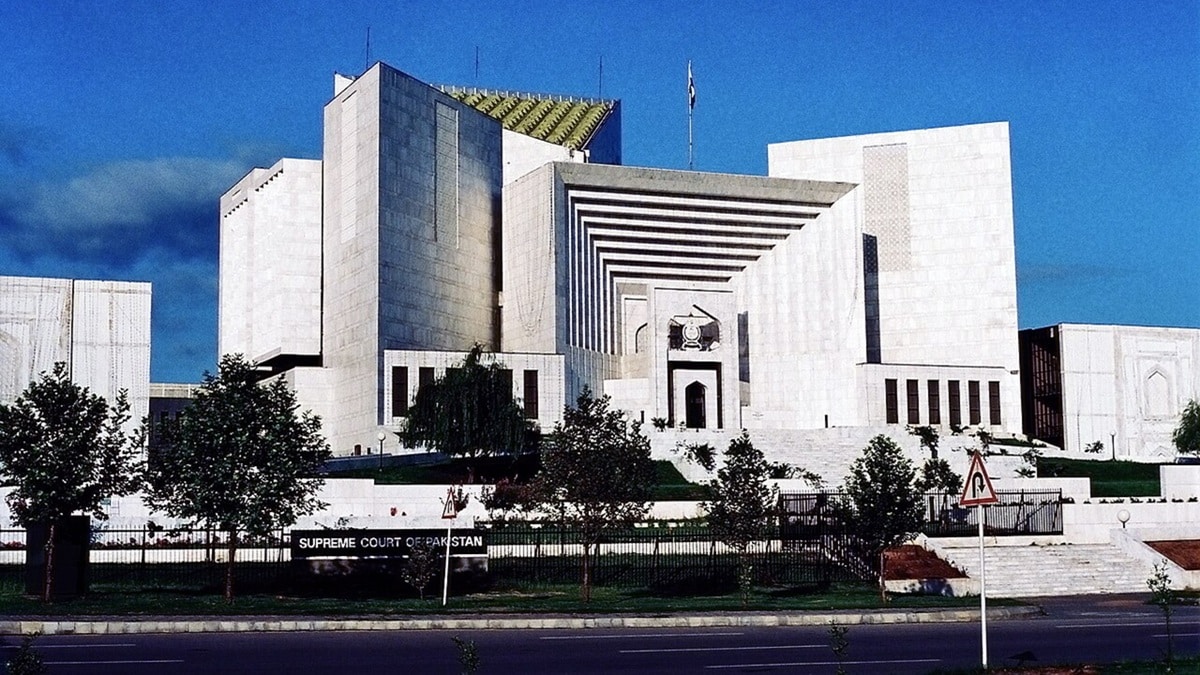
The Supreme Court of Pakistan has initiated a strategic structural adjustment by approving a 100% increase in the SC utility allowance for its workforce. Chief Justice Yahya Afridi sanctioned this precise fiscal move to align employee compensation with the rising baseline of energy costs. Consequently, the revised rates will take effect on July 1, 2026, utilizing the court’s dedicated budget for the 2026-27 fiscal year. This decision serves as a catalyst for institutional stability during a period of fluctuating utility prices.
Grade-Based Calibration of the SC Utility Allowance
The updated financial framework provides a tiered increase across all organizational levels. Specifically, employees in Grades 1 to 6 will see their monthly stipend rise from Rs. 6,000 to Rs. 12,000. Furthermore, those in Grades 7 to 10 will receive Rs. 16,000, while staff in Grades 11 to 15 will see their allowance doubled to Rs. 20,000. This calibrated approach ensures that the most vulnerable tiers receive a significant boost to their net household income.
Officers in the higher technical grades will also receive adjusted allocations. Grade 16 officers are now set to receive Rs. 24,000, while Grade 17 and 18 officers will receive Rs. 30,000 and Rs. 36,000, respectively. For the most senior leadership, including Grade 21 and above, the allowance has been precisely adjusted to Rs. 60,000 per month, up from the previous Rs. 30,000 baseline.

The Translation (Clear Context)
By doubling the SC utility allowance, the judiciary is essentially indexing internal wages to the external reality of energy inflation. Rather than a generic bonus, this is a targeted subsidy designed to cover the specific costs of electricity and gas. This architectural shift in the budget ensures that judicial operations remain unhindered by the personal financial stresses of its support staff.
The Socio-Economic Impact
This development directly impacts the daily lives of thousands of Pakistani households connected to the judicial system. For a lower-grade professional, an additional Rs. 6,000 monthly is not merely a supplement; it is a safeguard against energy poverty. This liquidity allows families to maintain their standard of living despite rising national tariffs, ensuring that the wheels of justice are supported by a financially resilient workforce.
The Forward Path (Opinion)
We categorize this development as a Momentum Shift. It reflects a proactive governance model where institutional leaders anticipate economic pressures rather than reacting to them after a crisis. While this move stabilizes the Supreme Court’s internal ecosystem, it serves as a precision-guided benchmark for other state organs to evaluate their own compensation structures against modern economic indicators.








