
The Strategic Architecture of Regional Stability
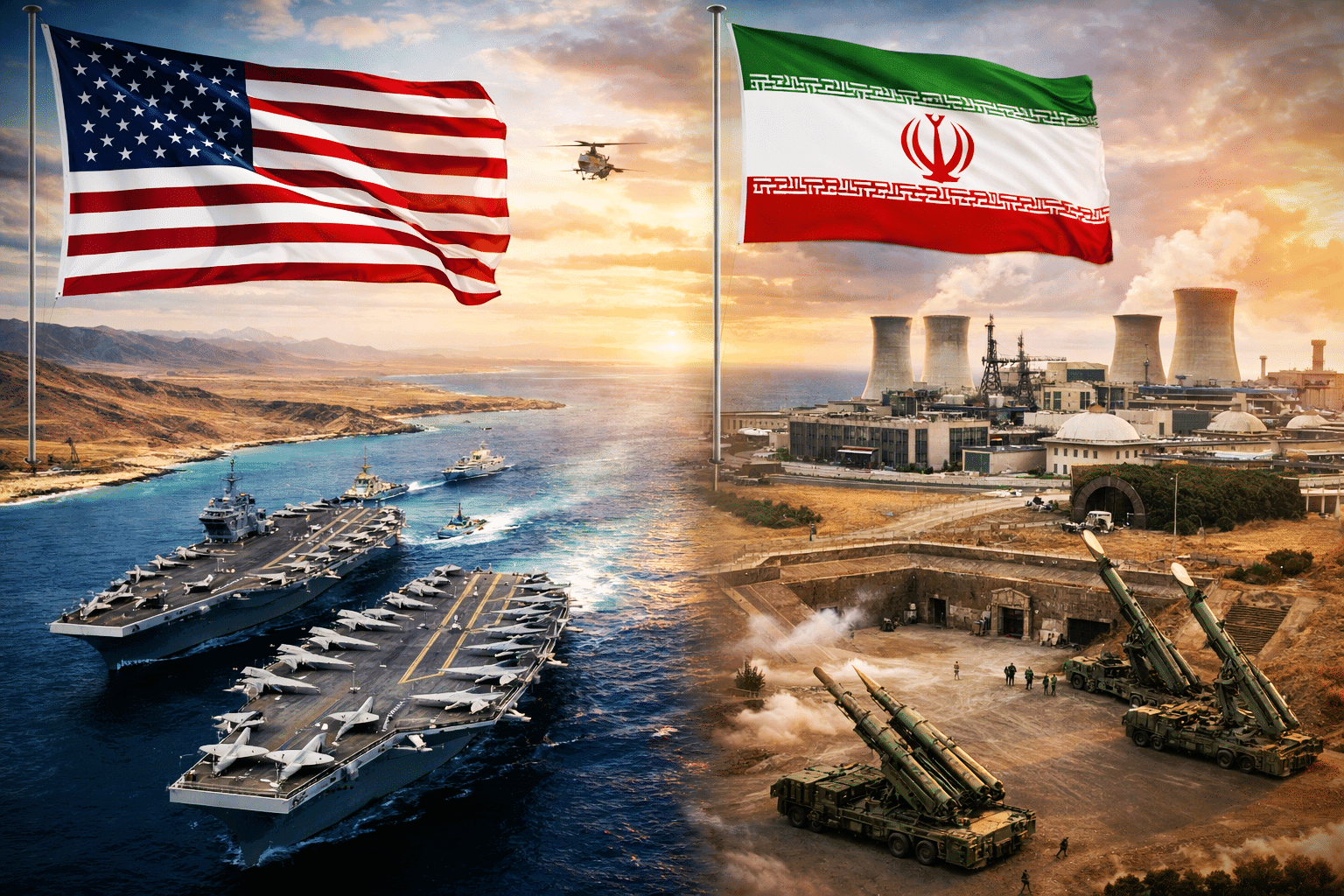
The current global energy framework faces a critical baseline shift as international mediators accelerate efforts to secure a US-Iran ceasefire. Currently, the Strait of Hormuz is experiencing a drastic decline in maritime traffic, averaging only ten vessels daily. Consequently, Qatar and other Gulf nations are proposing a calibrated 10-day de-escalation protocol to mitigate risk. This strategic maneuver aims to decouple commercial shipping from geopolitical friction, ensuring that Brent crude does not trigger a systemic economic shock.
The Translation: Decoding Diplomatic Precision
International diplomats are currently attempting to convert raw military tension into a structured diplomatic dialogue. Instead of seeking a permanent resolution, mediators are focusing on “maritime hygiene” and logistical safety. Qatar’s proposal specifically targets the removal of shipping restrictions within the Strait of Hormuz. Furthermore, by creating a temporary 10-day window, mediators hope to demonstrate that commercial flow can remain independent of the broader US-Iran ideological divide. This approach prioritizes operational continuity over political posturing.
The Socio-Economic Impact: Local Consequences
For the average Pakistani citizen, these high-level negotiations represent a vital economic buffer. Because Pakistan relies heavily on imported energy, fluctuations in Brent crude prices directly influence the domestic consumer price index. Consequently, a successful US-Iran ceasefire prevents the “energy tax” that high fuel costs impose on local logistics and household electricity bills. Stability in the Strait of Hormuz ensures that the supply chain for essential commodities remains predictable and affordable for urban and rural families alike.
The Forward Path: An Analyst’s Perspective
This development serves as a Momentum Shift for regional architectural stability. While the underlying grievances between Washington and Tehran persist, the shift toward technical, time-bound agreements indicates a precision-based approach to diplomacy. By focusing on shipping volume rather than rhetoric, mediators are building a baseline for future cooperation. This tactical pause acts as the necessary catalyst to prevent a full-scale systemic failure in global energy distribution. It is a calculated move toward structural preservation.








