
The FBR’s latest valuation ruling marks a strategic shift in Pakistan’s energy landscape, directly affecting solar panel prices across the nation. By revising the customs values for Tier I imports, the Directorate General of Customs Valuation Karachi aims to align local costs with rising international market trends. This precision-based recalibration ensures that the fiscal framework for 2026-27 reflects the current economic baseline, though it introduces new financial variables for consumers and installers alike.
Strategic Adjustments to Solar Panel Prices
The Directorate issued Valuation Ruling 2077 of 2026 to address a noted increase in global market rates. Consequently, officials conducted a rigorous data analysis under Section 25A of the Customs Act, 1969. By evaluating declared values and prevailing international benchmarks, the department established a new standard for import assessments. The authorities prioritized the “similar goods value method” to ensure accuracy in the assessment process.
Tier I Compliance and Valuation Logic
The revised framework specifically targets Tier I manufacturers identified in Bloomberg NEF’s Global PV Market Outlook. This includes industry leaders such as:
- Jinko Solar and LONGI
- Trina and Canadian Solar
- JA Solar and First Solar
- BYD
Furthermore, the ruling allows a 12.5% reduction for panels imported in semi-knocked-down (SKD) condition. This specific clause encourages local assembly and technical integration within the Pakistani market. Importers can still qualify for Tier I status if they provide verifiable documentary evidence of their manufacturer’s global standing.
The Translation: Decoding Valuation Ruling 2077
In simple terms, the government has recognized that global manufacturing costs for high-quality panels have risen since 2025. Instead of relying on outdated price lists, the FBR is now using a methodology that mirrors current international reality. This ensures that taxes collected at the port are proportional to the actual value of the hardware being imported, preventing market distortions caused by under-invoicing.
The Socio-Economic Impact: Impact on Pakistani Households
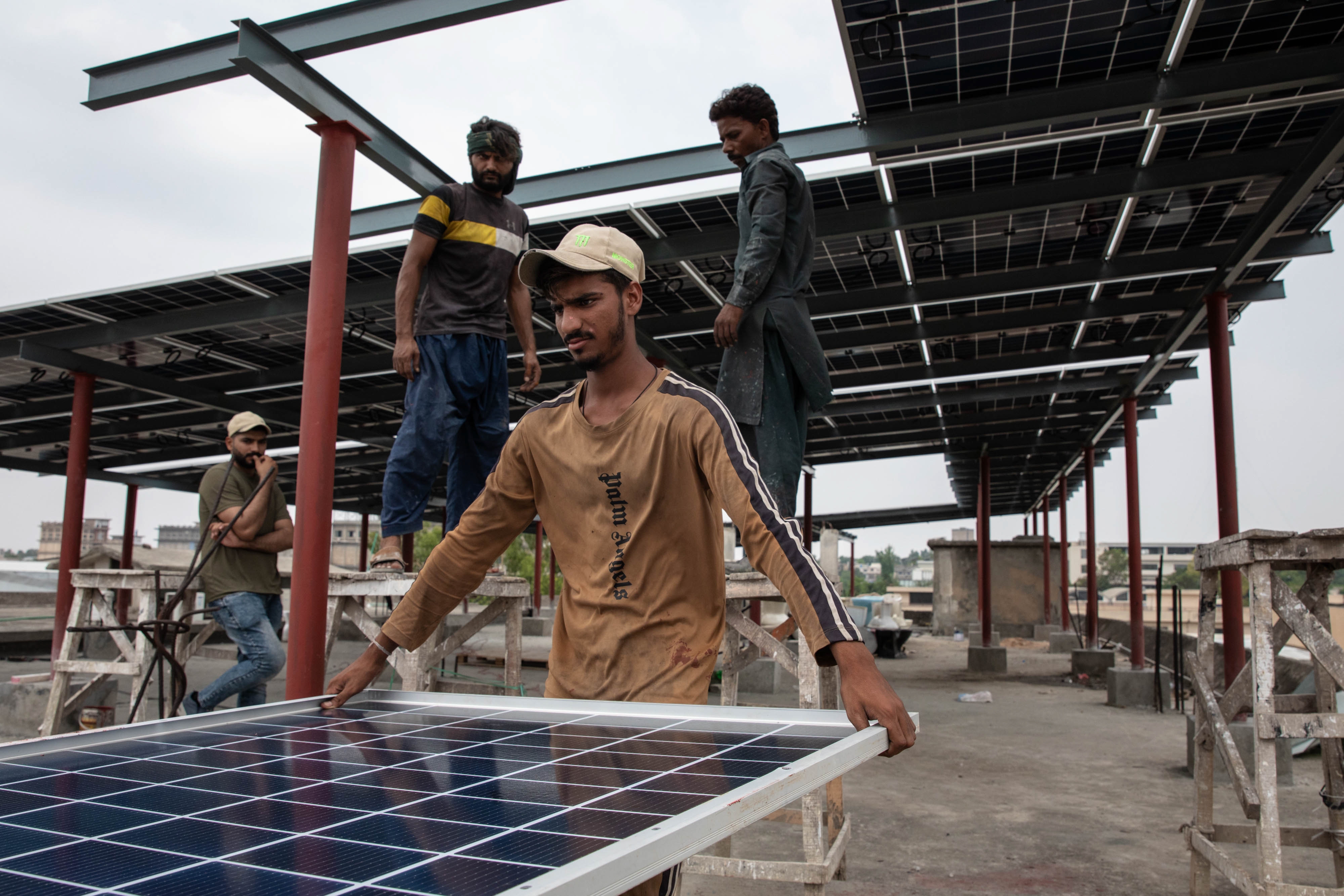
For the average Pakistani citizen, these changes translate to a higher upfront investment for residential solar systems. As solar panel prices climb, the payback period for a standard 5kW or 10kW setup may extend by several months. While Tier I panels remain the gold standard for efficiency and longevity, middle-income families might find the initial barrier to entry more challenging in the current fiscal climate. This development emphasizes the need for flexible financing options to sustain the green energy momentum.
The Forward Path: A Stabilization Move
We categorize this development as a Stabilization Move. While the increase in solar panel prices may temporarily slow down the rapid adoption of green energy, it anchors the market in fiscal reality. By synchronizing with global price points, the FBR creates a more transparent and sustainable baseline for the energy sector. For Pakistan to achieve long-term energy security, its fiscal policies must remain calibrated with international economic shifts to ensure systemic stability.








