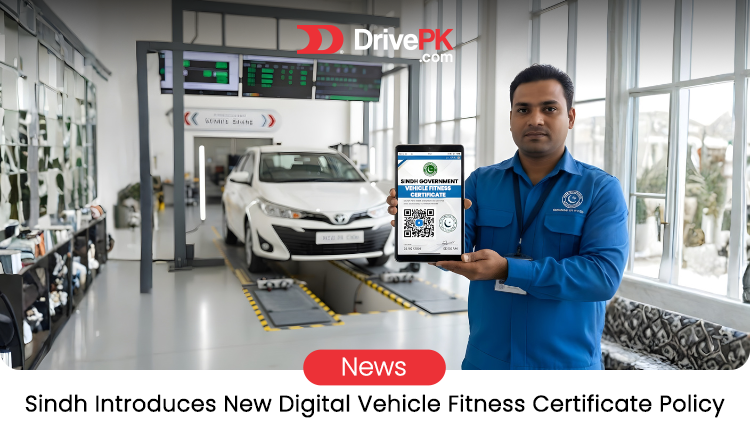
The Sindh government has officially initiated a calibrated overhaul of the provincial infrastructure through Sindh transport digitization. This strategic move mandates the complete transition of route permits and vehicle fitness certificates into a secure digital ecosystem. By integrating these systems, the government aims to eliminate structural inefficiencies and modernize the baseline of provincial logistics.
Strategic Modernization of the Transport Network
Provincial Minister for Transport and Mass Transit, Sharjeel Inam Memon, issued a decisive directive to all relevant departments. Consequently, the provincial administration is now working toward a hard deadline of June 30, 2026. After this date, manual documentation will be strictly obsolete. Furthermore, the new digital framework ensures that all commercial vehicles operate under a unified, verifiable standard.

The implementation of this digital system allows transporters to access verified documents online instantly. This capability simplifies the verification process for law enforcement while securing the data against unauthorized alterations. As a result, the precision of the provincial transport records will reach international benchmarks.
The Translation: Breaking Down the Digital Shift
In technical terms, this move represents a transition from “analog friction” to “digital fluidity.” Previously, manual permits were prone to forgery and administrative delays. By centralizing these records into a cloud-based database, the government creates a single source of truth. Therefore, the “digitization” isn’t just about scanning papers; it is about building a secure API-driven infrastructure for provincial mobility.
Socio-Economic Impact: Benefits for the Pakistani Citizen
- Fraud Mitigation: Transporters and fleet owners will no longer fall victim to counterfeit permits or fitness certificates.
- Operational Efficiency: Digital verification reduces the time vehicles spend at checkpoints, directly lowering logistical costs for essential goods.
- Enhanced Public Safety: Automated fitness tracking ensures that only roadworthy vehicles operate, reducing accidents caused by mechanical failure.
For the average household, this precision translates to more reliable public transport and stabilized pricing for goods transported via commercial routes. This structural change acts as a catalyst for professionalizing the transport sector.
The Forward Path: A Momentum Shift
At Next Generation Pakistan, we categorize this development as a significant Momentum Shift. This is not merely a stabilization move; it is an architectural upgrade to the province’s economic backbone. However, the success of this initiative depends heavily on the rigorous enforcement of the 2026 deadline. Consequently, we expect this digital baseline to pave the way for future smart-city integrations across Sindh.