

The National Electric Power Regulatory Authority (NEPRA) recently issued a calibrated ruling declaring revenue-based loadshedding illegal. This decision challenges the current operational baseline of power distribution companies (DISCOs). While the regulator demands legal compliance, the Power Division remains hesitant. They argue that halting this practice could trigger a structural collapse in the energy sector’s financial liquidity, as the national circular debt has already surged to approximately Rs1.8 trillion.
The Financial Friction of Revenue-Based Loadshedding
Data indicates that power distribution companies continue revenue-based loadshedding in high-loss areas to mitigate further fiscal erosion. During a recent public hearing, officials confirmed that ending this load management could add a precision-shattering Rs400 billion to the circular debt. Consequently, a divide has emerged between regulatory mandates and the economic reality of power sector sustainability.
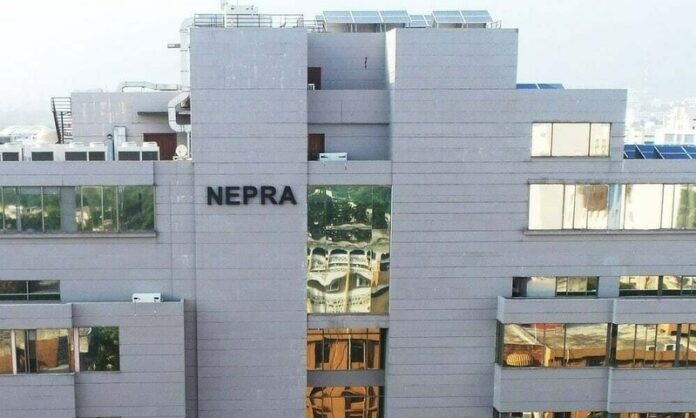
NEPRA member Amina Ahmed reiterated that collective punishment via power cuts violates existing regulations. Conversely, the Power Division maintains that the practice is a vital catalyst for controlling financial pressures. Meanwhile, the government is strategically reviewing the removal of the petroleum levy on furnace oil. This move, subject to IMF approval, aims to reduce electricity tariffs across the board.
The Translation: Breaking Down Grid Logistics
In simple terms, revenue-based loadshedding is a strategic management tactic where utilities cut power to entire geographic clusters based on low bill recovery. Instead of isolating individual defaulters, the system applies a blanket penalty to the grid segment. NEPRA classifies this as a violation of the consumer-provider contract. However, the Power Division views it as a necessary economic firewall to prevent total sector bankruptcy due to non-payment and electricity theft.
The Socio-Economic Impact
This dispute directly impacts the daily productivity of every Pakistani household and business. In high-loss areas, honest taxpayers face collective punishment, which degrades the economic output of small-scale industries and students. Furthermore, if the government abruptly halts the practice without a secondary recovery mechanism, the resulting Rs400 billion deficit will likely force another sharp increase in electricity tariffs for all citizens to cover the loss.
The Forward Path: Our Expert Analysis
This development represents a Stabilization Move rather than a true momentum shift. While NEPRA’s ruling provides a necessary legal baseline for consumer rights, the Power Division’s resistance highlights a lack of precision infrastructure. Without smart metering and individual-level accountability, the government remains stuck in a cycle of reactive measures. True progress requires a structural technological upgrade to the grid, ensuring that law-abiding citizens are not held hostage by systemic inefficiencies.








