

Securing the hydrological future of an urban center requires more than just reactive fixes; it demands a calibrated, structural overhaul. Consequently, Sindh Chief Minister Syed Murad Ali Shah has authorized the construction of a 6MGD Hyderabad water treatment plant to recalibrate the city’s resource management. This infrastructure initiative represents a structural baseline for sustainable growth in Sindh’s second-largest urban hub. Specifically, the government has allocated 22 acres of land to initiate a precision-led effort to modernize the local water grid immediately.
Advancing the Hyderabad Water Treatment Infrastructure
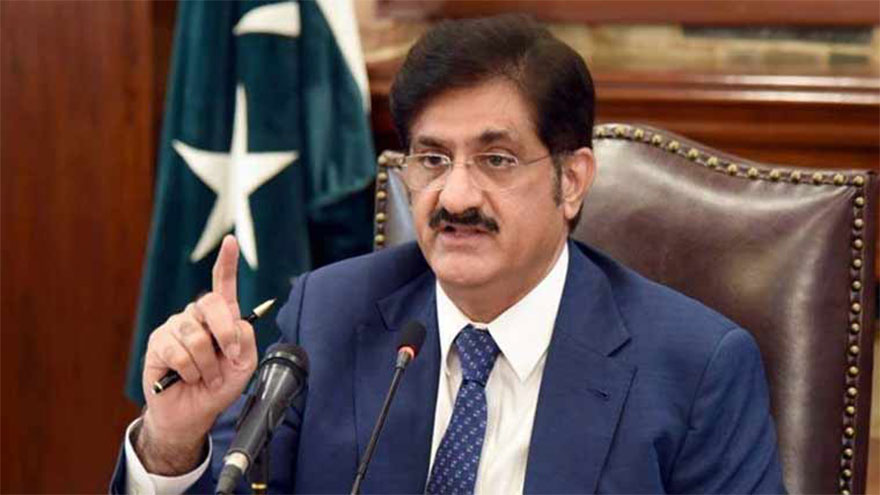
The Chief Minister finalized this decision during a high-level briefing chaired by technical experts and administrative leaders. During this session, Jam Khan Shoro detailed the project’s capacity to mitigate the existing water deficit. Furthermore, the 22-acre site serves as a catalyst for expanded filtration capabilities. Murad Ali Shah has directed authorities to bypass bureaucratic bottlenecks to ensure the project remains on a strict timeline. Consequently, all legal and administrative formalities are now proceeding on a priority baseline to facilitate rapid implementation.
The Translation
In technical terms, a 6MGD (Million Gallons per Day) facility acts as a high-velocity pressure valve for a city’s utility network. Because Hyderabad has outgrown its legacy systems, this new plant serves as a structural upgrade rather than a temporary repair. The logic behind the land allocation is to provide a dedicated footprint for modern filtration technology that can scale with future population growth. Therefore, this project translates to a more reliable flow of treated water that meets international safety standards.
The Socio-Economic Impact
The integration of this Hyderabad water treatment facility will directly enhance the daily lives of thousands of citizens. Improved water filtration capacity is a primary driver for public health, significantly reducing the incidence of waterborne diseases. Consequently, households will experience lower medical costs and higher productivity levels. Additionally, reliable urban infrastructure often acts as a magnet for commercial investment, potentially stabilizing property values and encouraging sustainable urban development across the city’s residential sectors.
The Forward Path
From a strategic perspective, this development represents a Momentum Shift for the region. While many projects focus on maintenance, the 6MGD plant is a forward-looking expansion of the city’s vital systems. Ultimately, the success of this initiative depends on strict monitoring and transparency in execution. If the implementation remains calibrated to the Chief Minister’s directives, this project will serve as a baseline for modernizing water systems throughout the province.








