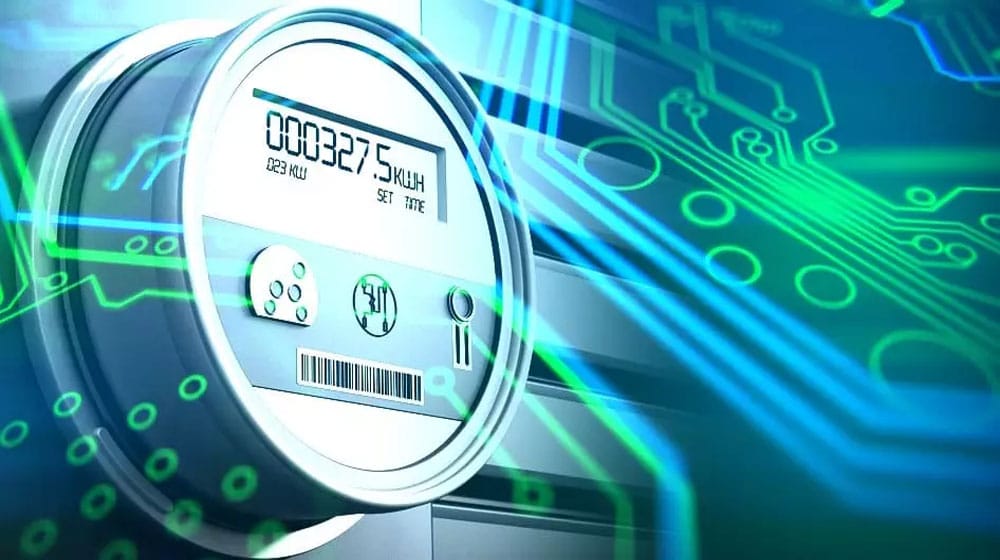
National advancement requires a calibrated energy infrastructure. The Pakistan Smart Meters initiative represents a strategic catalyst for digitizing the domestic power sector. By signing a Transaction Advisory Services Agreement with the International Finance Corporation (IFC), the government has baseline-aligned its goals with global standards. This project will replace 10 million outdated connections with high-precision Advanced Metering Infrastructure (AMI).
Modernizing the National Grid Architecture
The International Finance Corporation now serves as the primary transaction advisor. Consequently, they will execute a comprehensive techno-commercial assessment to facilitate public-private partnerships. This structural move aims to attract international investors who will finance and maintain the new metering ecosystem. Furthermore, the government has already achieved a 40 percent cost reduction for these units through competitive bidding.

Specifically, all distribution companies (DISCOs) must now install these digital units for every new connection. Traditional meters are officially phased out. Moreover, the state has mandated the conversion of all existing three-phase meters to Pakistan Smart Meters within a strict, predefined timeline to ensure systemic uniformity.
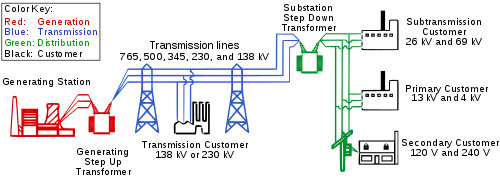
The Translation: Decoding System Digitization
In contrast to the manual, error-prone billing of the past, this digital transition removes the “human factor” from data collection. Advanced Metering Infrastructure (AMI) enables two-way communication between the consumer and the utility provider. This allows the system to detect line losses and theft in real-time. Essentially, the government is shifting from a reactive maintenance model to a proactive, data-driven management system.

The Socio-Economic Impact: Precision in the Household
For the average Pakistani citizen, Pakistan Smart Meters will eliminate the frequent frustration of “over-billing” and estimated charging. Households will gain the ability to monitor their consumption patterns in real-time, allowing for better budgetary control. Additionally, reducing national line losses translates to improved financial sustainability for the power sector. This eventually reduces the necessity for constant tariff hikes, stabilizing the monthly expenses of urban and rural families alike.

The Forward Path: A Momentum Shift for Pakistan
This development represents a significant Momentum Shift for Pakistan’s economic infrastructure. By integrating IFC expertise and private investment, the state is moving beyond temporary fixes toward a structural solution. While the rollout requires rigorous execution, the shift from analog to digital is the only path toward energy security. This calibrated approach ensures that the national grid becomes an asset for growth rather than a liability for the treasury.