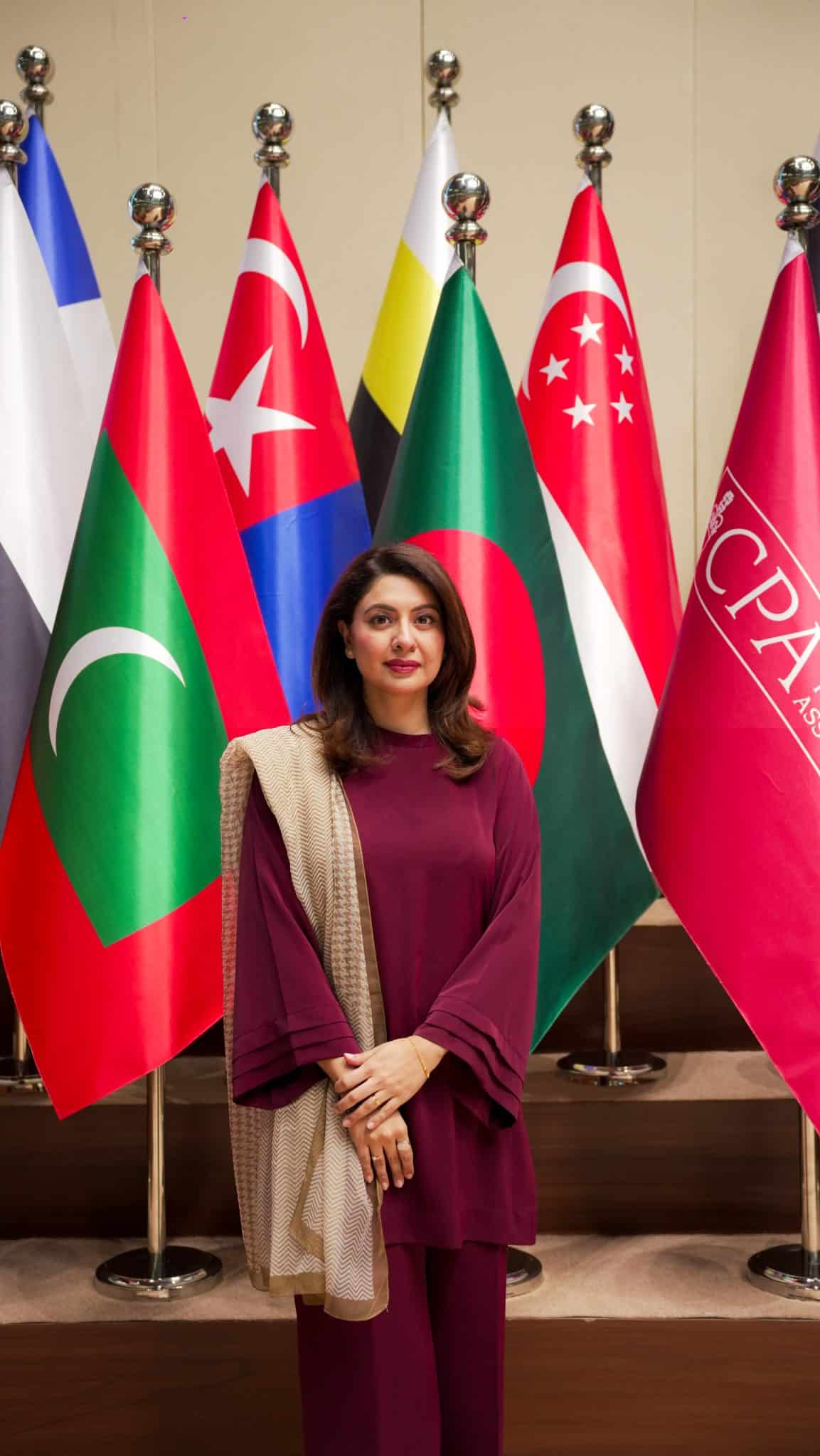
Effective governance requires a calibrated understanding of global systems. The Commonwealth Leadership Dialogue serves as a high-precision platform for such insights, recently celebrating its 70th anniversary at St James’s Palace. This milestone gathering, attended by Pakistani leader Sidra Iqbal, reinforces the structural necessity of cross-sector engagement to navigate the complexities of a modern, interconnected world.
The Architecture of the Commonwealth Leadership Dialogue
Founded in 1956 by HRH Prince Philip, the Commonwealth Study Conferences (CSC) established a baseline for international cooperation. The mission was clear: leaders must escape their professional silos to understand the societies they serve. Consequently, the programme has evolved into a strategic catalyst for intellectual exchange across 56 nations.
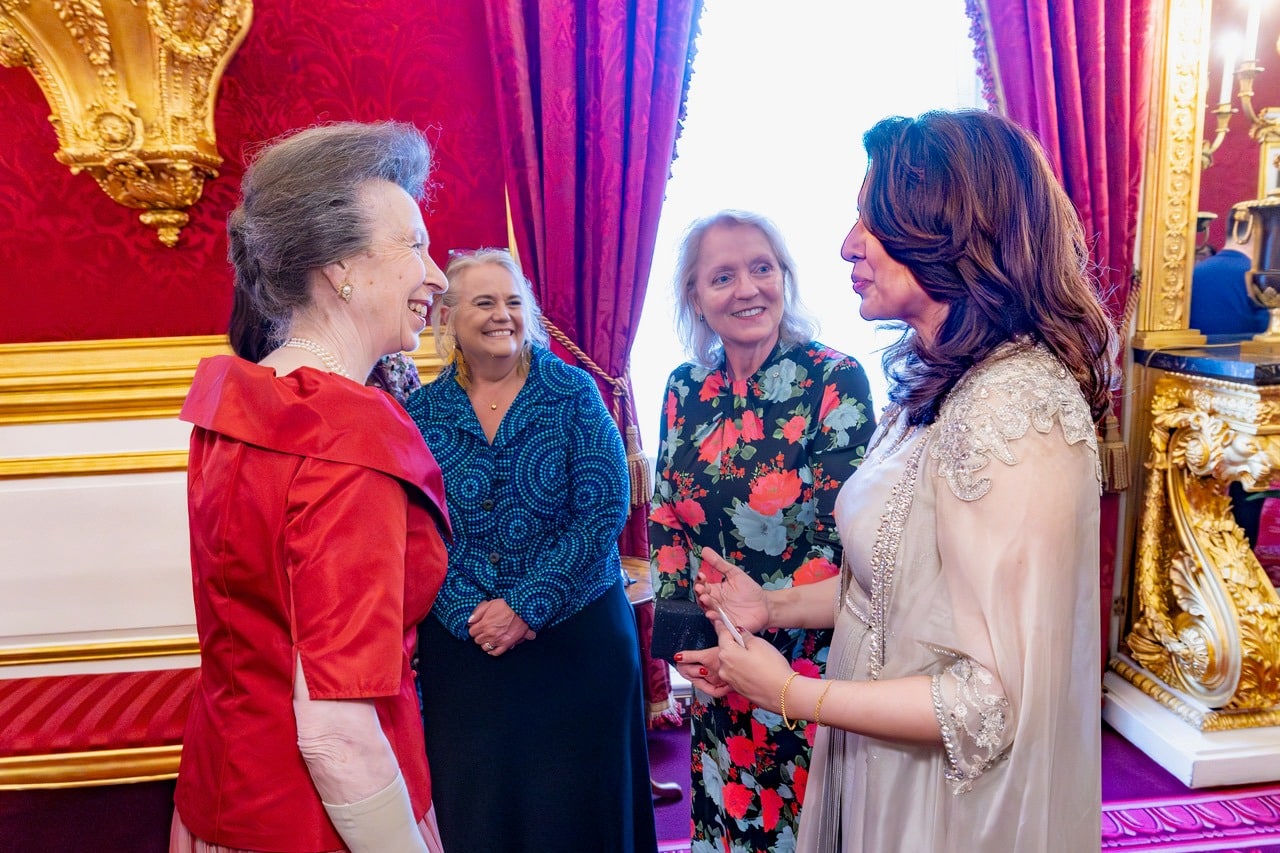
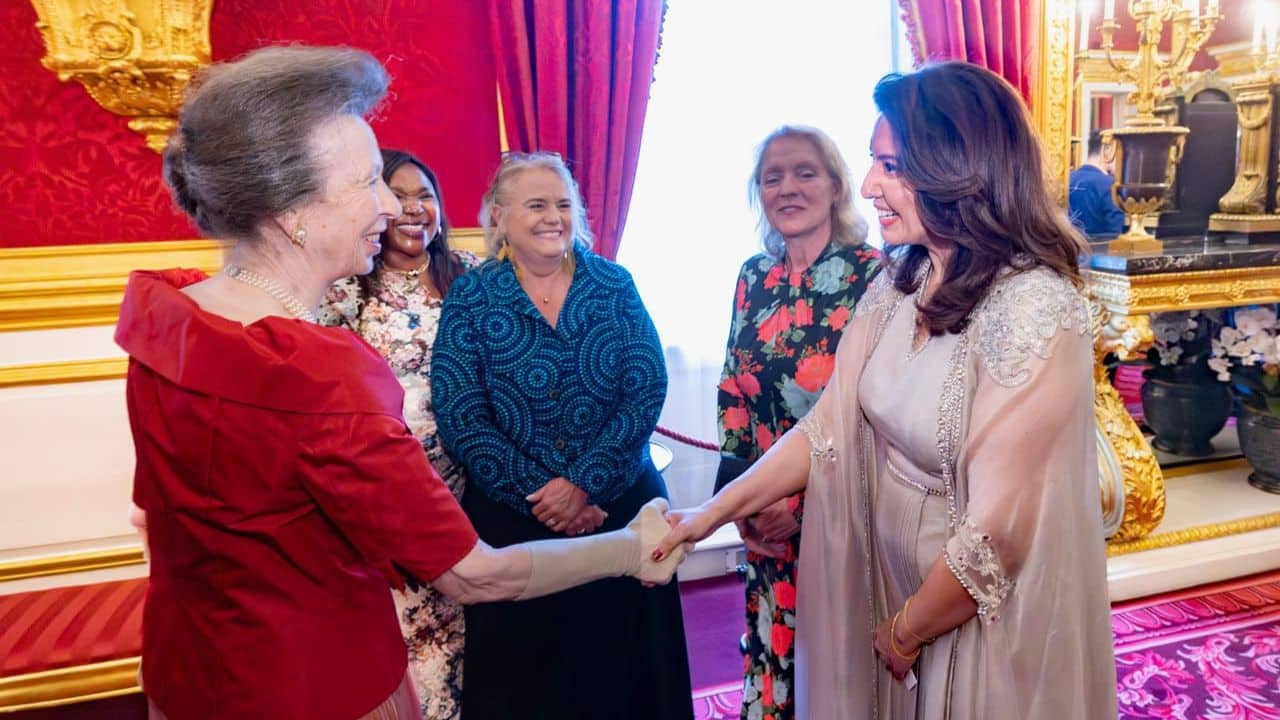
During the reception hosted by Sir Alan Parker, Sidra Iqbal reconnected with HRH The Princess Royal. As a CSC alumna, Iqbal embodies the precision-driven leadership that Pakistan requires. She noted that while the world has changed since 1956, the core challenge remains the same: understanding human experiences that differ from our own.
Strategic Networking at St James’s Palace
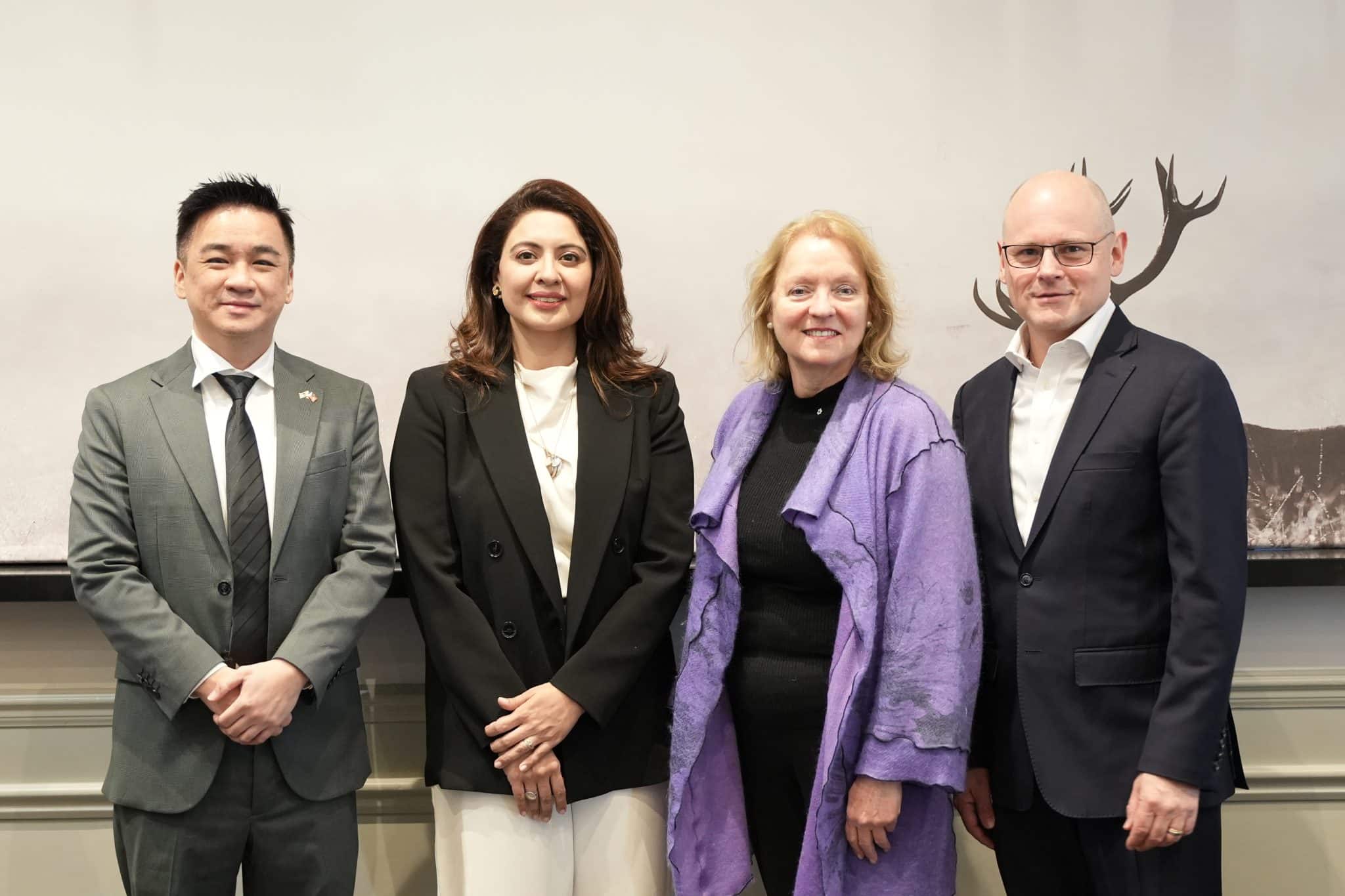
The anniversary gathering brought together a diverse cohort of leaders from business, diplomacy, and academia. This diversity is not merely symbolic; it is a functional requirement for solving interconnected global crises. Sidra Iqbal highlighted that the strongest leaders are those who maintain a curious baseline, asking thoughtful questions rather than seeking immediate agreement.
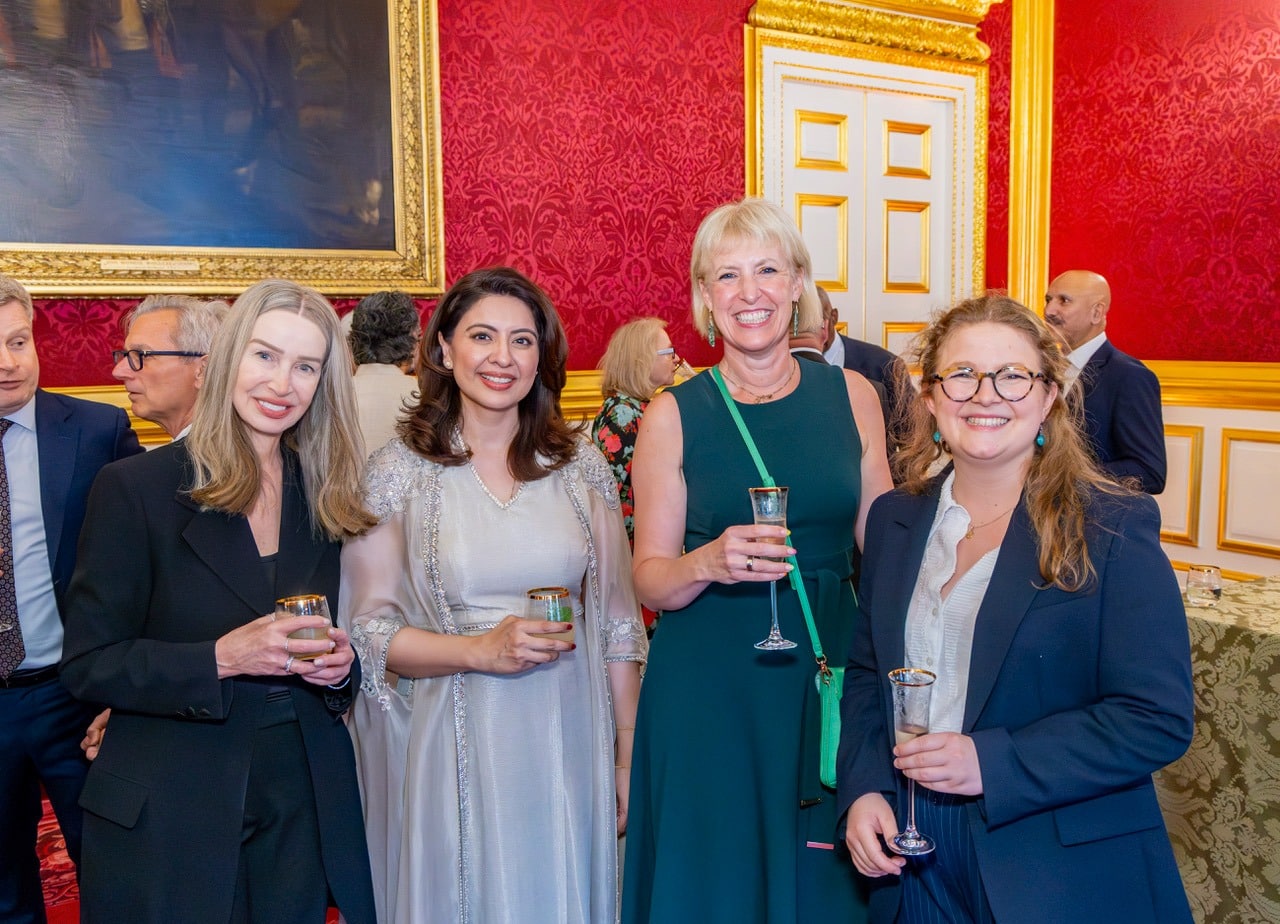
Furthermore, the dialogue underscored the importance of relational leadership. Since no single institution holds all the answers, progress depends on the ability to build trust across boundaries. This collaborative spirit is essential for Pakistan as it seeks to integrate more deeply into the global economic framework.
The Situation Room Analysis
The Translation (Clear Context)
In technical terms, the CSC is a “leadership incubator” that utilizes peer-to-peer learning to break down cognitive biases. Instead of traditional lecture-based training, it uses immersion to force leaders into “uncomfortable” sectors. This calibrated friction produces leaders who can manage high-stakes environments with empathy and precision.
The Socio-Economic Impact
For the average Pakistani citizen, these global networks provide a direct pipeline for innovative policy ideas. When leaders like Sidra Iqbal engage in the Commonwealth Leadership Dialogue, they bring back structural frameworks for community engagement and economic resilience. This translates to more efficient local governance and better-connected professional networks for Pakistani youth.
The Forward Path (Opinion)
This development represents a Momentum Shift. Pakistan’s consistent participation in elite forums like the CSC indicates a move toward “Precision Diplomacy.” By investing in individual leaders, the state creates informal but powerful bridges that can stabilize international relations during times of formal diplomatic tension.
Empowering the Next Generation
Future leaders must master technical expertise while maintaining extreme adaptability. The challenges of climate resilience and technological disruption do not respect borders. Therefore, the next generation of Pakistani visionaries must operate across disciplines to ensure national progress.
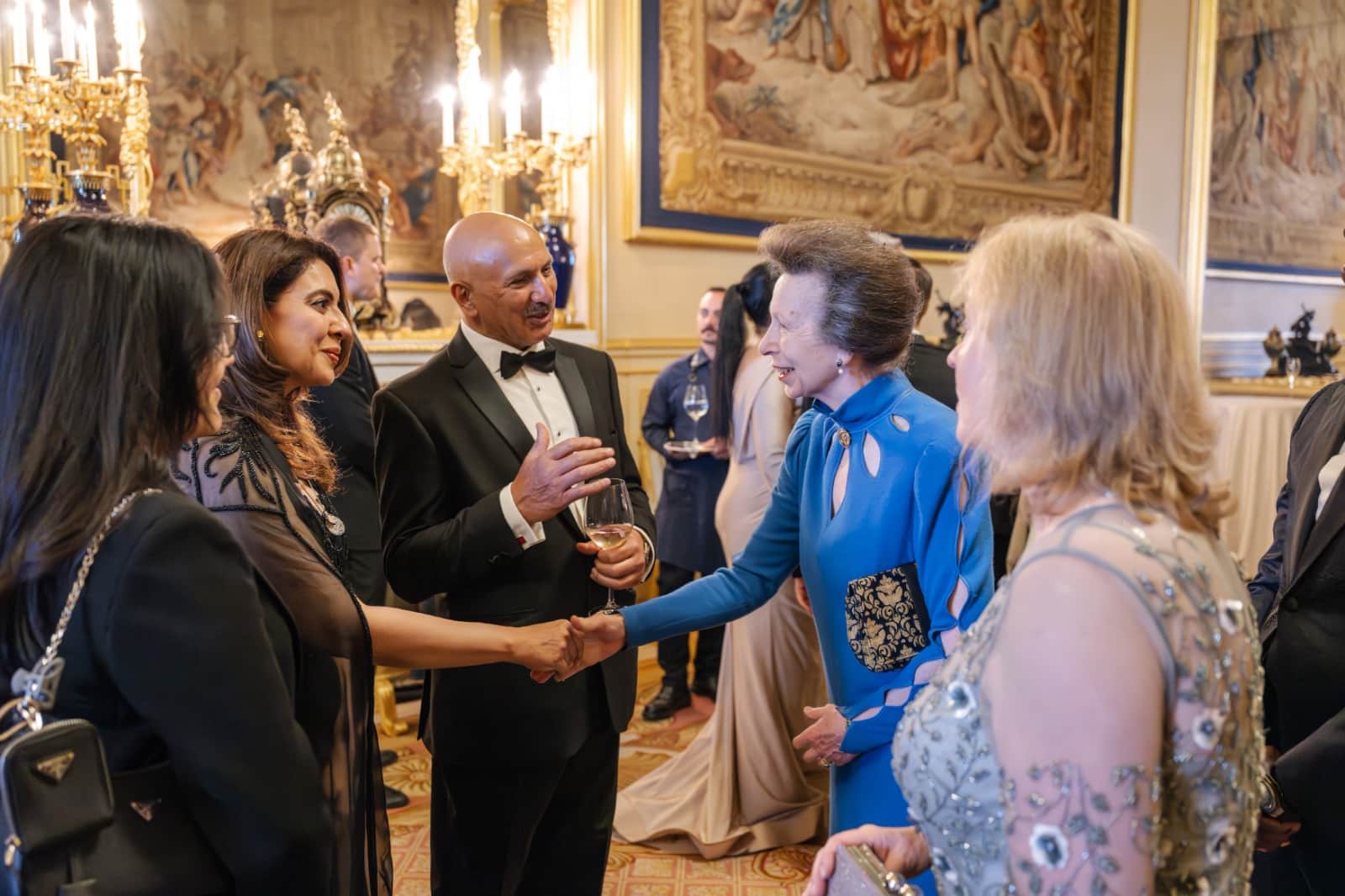
The CSC network continues to expand, proving that relationships are the bedrock of international cooperation. As Sidra Iqbal observed, the most valuable assets from these conferences are the friendships and collaborations that emerge. These informal bridges provide the stability needed in an increasingly volatile global landscape.