

National progress relies on the integrity of our economic borders and the precision of our tax enforcement. Recently, the Senate Standing Committee on Interior confronted a systemic failure in border security, revealing that Iranian oil smuggling worth Rs. 222 million has successfully bypassed national enforcement mechanisms. This breach highlights a calibrated lapse in the Federal Board of Revenue’s (FBR) oversight, where undocumented fuel and tobacco products continue to erode the formal economy. Consequently, lawmakers are now calling for immediate suspensions and a precision audit of the FBR’s internal asset management.
Structural Failures in Managing Iranian Oil Smuggling
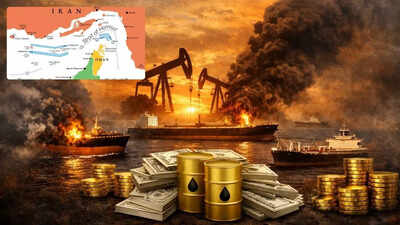
During the briefing, officials confirmed the seizure of fuel valued at approximately Rs. 222 million. However, the committee expressed deep frustration regarding the logistics of this illicit trade. While the Ministry of Interior denied granting any petroleum-related permissions, reports suggest that four specific districts were allegedly operating as hubs for these activities. This discrepancy suggests a lack of departmental synchronization, allowing the informal market to thrive at the expense of national revenue.
Furthermore, the investigation extended into the tobacco sector. Senators questioned whether cigarette manufacturers themselves were facilitating smuggling operations to evade taxes. Senator Saifullah Abro pointedly criticized the FBR for allegedly inflating tax assessments while maintaining poorly managed warehouses. This lack of structural transparency has created a baseline for corruption that lawmakers are no longer willing to tolerate.
The committee also scrutinized the lifestyles of certain tax officials. Senator Talha Mahmood highlighted the disconnect between modest official salaries and the accumulation of luxury assets. Specifically, the committee demanded to know why officials under active FIA investigation, such as the Member Legal of the FBR, remain in their positions. They argued that maintaining the status quo during an inquiry compromises the credibility of the entire institution.
The Situation Room Analysis
The Translation: Systemic Irregularities Explained
In “Next Gen” terms, the Iranian oil smuggling crisis is not just about fuel; it is about a “system failure” in our digital and physical monitoring. When border districts and tax authorities do not align their data, it creates “blind spots” that smugglers exploit. The presence of alleged smugglers flaunting wealth on social media demonstrates a complete breakdown in the deterrent power of our law enforcement agencies.
The Socio-Economic Impact: Costs of the Informal Market
For the average Pakistani citizen, this smuggling represents a double-edged sword. While it may offer temporary “cheap” fuel in border regions like Balochistan, it creates a massive tax deficit. Consequently, the government often offsets this lost revenue by increasing taxes on documented professionals and households. Furthermore, the lack of quality control in smuggled petroleum can damage vehicle engines, leading to higher maintenance costs for families already struggling with inflation.
The Forward Path: A Stabilization Move
This development currently represents a Stabilization Move rather than a momentum shift. While the Senate’s vocal criticism is a necessary first step, it remains a reactive measure. To transform this into “Progress,” Pakistan must implement a calibrated, tech-driven tracking system for all fuel entering the country. Without purging compromised officials and digitizing the FBR’s warehouse logs, these sessions remain a baseline for maintenance rather than a catalyst for structural change.








