
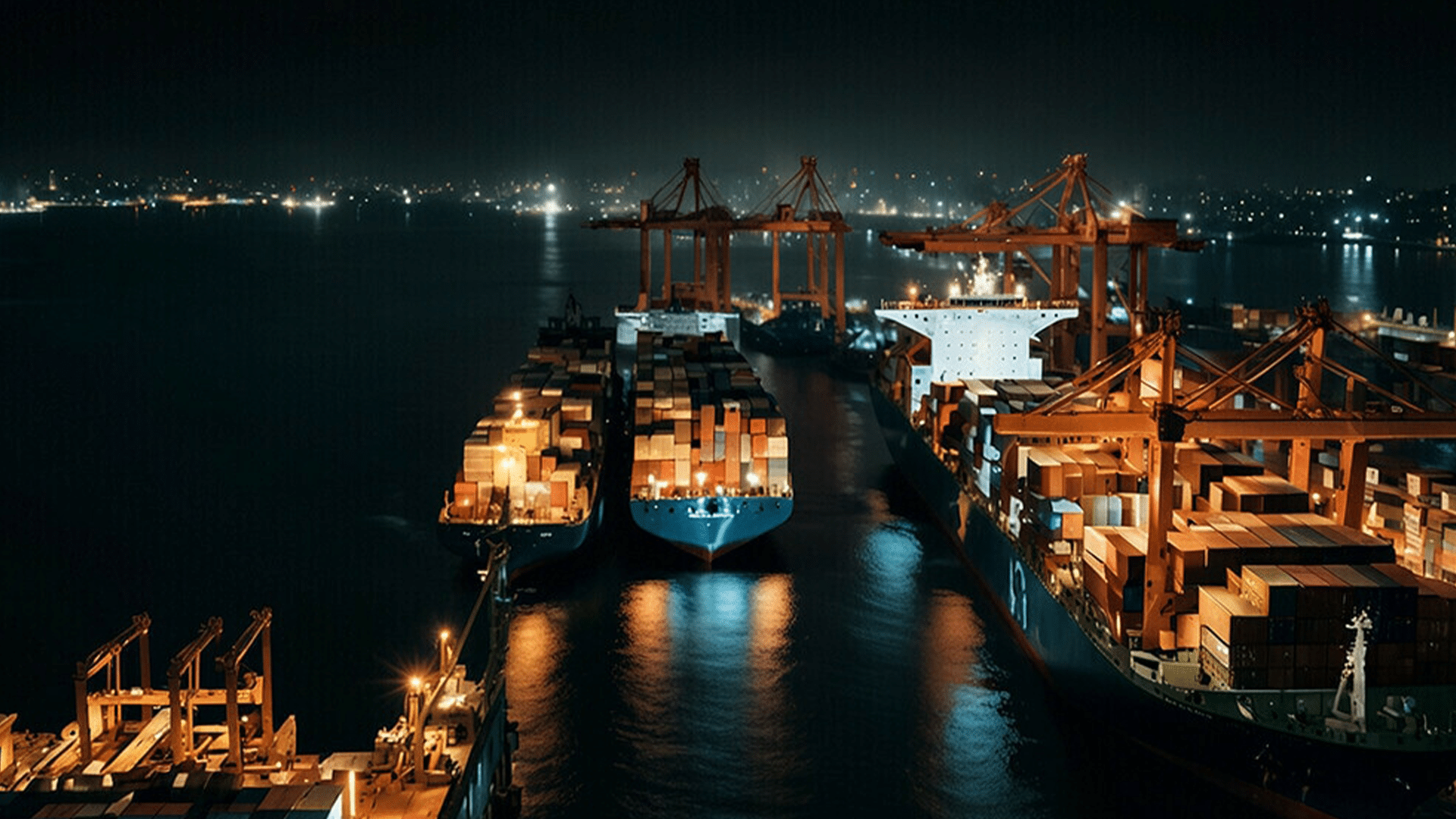
A calibrated economic structure serves as the baseline for national progression. Recently, the Senate Standing Committee on Finance and Revenue advocated for a refined Pakistan tax regime to empower the export sector. Lawmakers specifically demanded a transition back to the Final Tax Regime (FTR) to eliminate fiscal friction. Consequently, the committee believes this move will prevent excessive taxation from undermining the nation’s export capacity.
Recalibrating the Pakistan Tax Regime for Global Competition
Business community representatives presented a strategic case for a simplified one-percent tax framework. They argued that previous promises to restore the FTR remain unfulfilled. Furthermore, Senator Talha Mahmood proposed reducing the rate to 0.5 percent to maximize competitiveness. In contrast, higher tax burdens could decouple local industries from international markets.

Government Response and Fiscal Buffers
Finance Minister Muhammad Aurangzeb defended current structural adjustments. He highlighted that the government already abolished the one percent advance tax and removed super tax slabs. Additionally, the state provides subsidies to cap financing rates at 4.5 percent. The Minister maintained that every sector must contribute to the national tax base to ensure long-term stability. He confirmed that Pakistan possesses sufficient domestic and external buffers to avoid a repeat of the 2022 fiscal crisis.

The Situation Room Analysis
The Translation
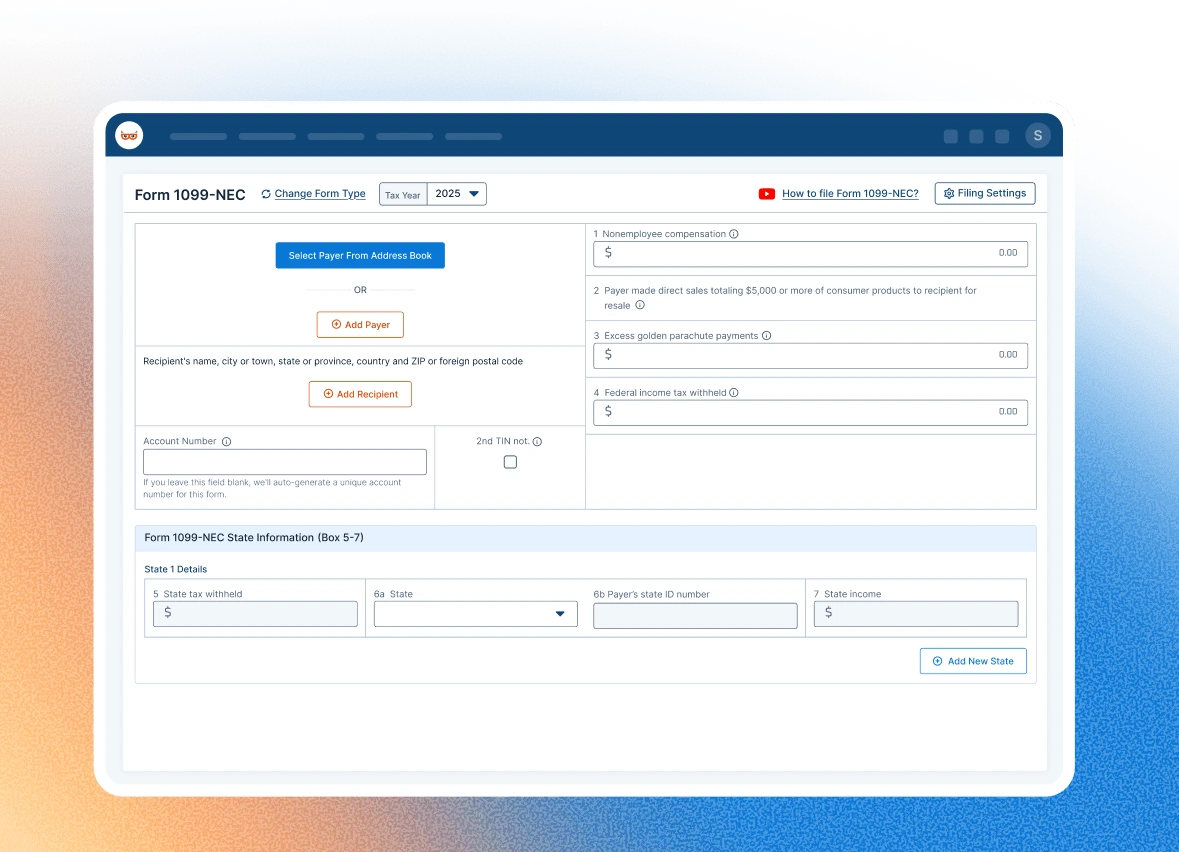
The transition from a “Normal Tax Regime” to a “Final Tax Regime” (FTR) simplifies the tax code for businesses. Under FTR, the tax deducted at the source is the final liability. This eliminates the need for complex audits and unpredictable year-end tax bills. Therefore, this move functions as a precision tool to reduce administrative overhead for companies focused on global trade.
The Socio-Economic Impact
This policy shift directly influences the daily life of every Pakistani citizen. When exporters thrive, the country accumulates foreign exchange reserves, which stabilizes the PKR. Consequently, a stable currency prevents the inflation of imported essential goods. For urban professionals and rural laborers alike, a robust export sector translates into job security and increased industrial capacity.
The Forward Path
This development represents a Momentum Shift. While the government emphasizes a broad tax base, the Senate’s push for exporter-specific relief signals a strategic realization: you cannot tax your way to growth if the tax kills the engine of that growth. Streamlining the Pakistan tax regime is a necessary catalyst for industrial efficiency.
- Structural Efficiency: Restoration of FTR to reduce litigation.
- Fiscal Buffer: Current reserves provide a safety net for these reforms.
- Digital Integration: Continued improvement of the FASTER refund system.








