
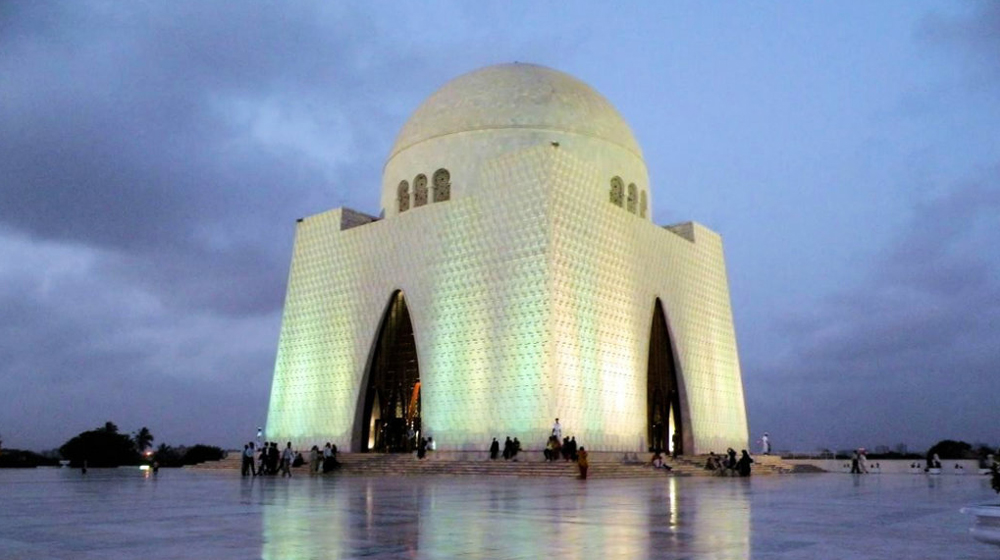
The Senate Standing Committee on National Heritage and Culture recently scrutinized the structural decline of our national landmark, emphasizing that Mazar-e-Quaid maintenance must become a baseline priority for the state. During a strategic briefing at Parliament House, Chairman Hidayatullah Khan exposed a series of calibrated failures ranging from security breaches to illegal encroaching shops. Consequently, the committee is now enforcing a precision-driven recovery plan to restore the mausoleum’s structural and symbolic dignity.
Identifying Systemic Lapses in Heritage Security
Committee members highlighted several critical lapses, including the presence of drug sellers and the blatant theft of fencing materials from the premises. Senator Syed Waqar Mehdi specifically identified significant garbage accumulation inside the grounds, which indicates a breakdown in operational oversight. He subsequently directed officials to establish a baseline of cleanliness by coordinating with Karachi’s waste management authorities. Furthermore, the committee mandated the immediate involvement of the Inspector General of Police to stabilize law and order at the site.
A Strategic Shift in Mazar-e-Quaid Maintenance and Funding
To ensure long-term stability, the committee recommended forming a specialized sub-committee to monitor all ongoing restoration work. Currently, the Quaid-i-Azam Mazar Management Board operates with an estimated budget of Rs. 353.921 million for the 2025-26 fiscal year. To bolster this capital, the committee proposed that all four provinces contribute Rs 50 million each toward the site’s upkeep. This fiscal calibration ensures that the mausoleum remains a shared national responsibility rather than a regional burden.
The Situation Room Analysis
The Translation
The current management crisis stems from a fragmented administrative structure. By integrating Karachi-based representatives onto the board and seeking inter-provincial funding, the Senate is attempting to shift from a centralized federal model to a more collaborative “National Heritage” framework. This logic aims to increase accountability by involving local stakeholders who interact with the site daily.
The Socio-Economic Impact
For the average Pakistani citizen, the decay of Mazar-e-Quaid represents more than just a maintenance failure; it is a decline in public safety and national morale. Improved security will transform the area into a safer public space for families and students. Additionally, a well-maintained museum (Awan-i-Nawadarat) acts as a catalyst for educational tourism, potentially boosting the local micro-economy in surrounding Karachi districts.
The Forward Path (Opinion)
This development represents a Momentum Shift. Moving beyond mere complaints, the committee’s demand for a multi-provincial funding model is a strategic move toward sustainable preservation. However, success depends on the execution of the 2026-27 PSDP funding for museum renovations. If the sub-committee maintains rigorous oversight, we could see a total restoration of system efficiency at this architectural cornerstone.








