The structural landscape of Southeast Asian paleontology has shifted following the calibrated identification of a massive prehistoric titan. Researchers recently confirmed a giant dinosaur discovery that redefines the prehistoric baseline of the region. This new species, Nagatitan chaiyaphumensis, represents a structural marvel within the somphospondylan sauropod group. Consequently, this find establishes a new strategic benchmark for regional scientific excellence.
The Mechanics of a Prehistoric Titan
Scientists meticulously analyzed fossilized remains including the spine, ribs, pelvis, and leg bones to reconstruct this ancient giant. Specifically, a front leg bone measuring 1.78 meters served as a critical precision metric for estimating the creature’s total scale. Researchers estimate the dinosaur spanned 27 meters in length and carried a mass of approximately 27 tons. Furthermore, this weight is equivalent to nine adult Asian elephants, illustrating the immense biological capacity of the species.
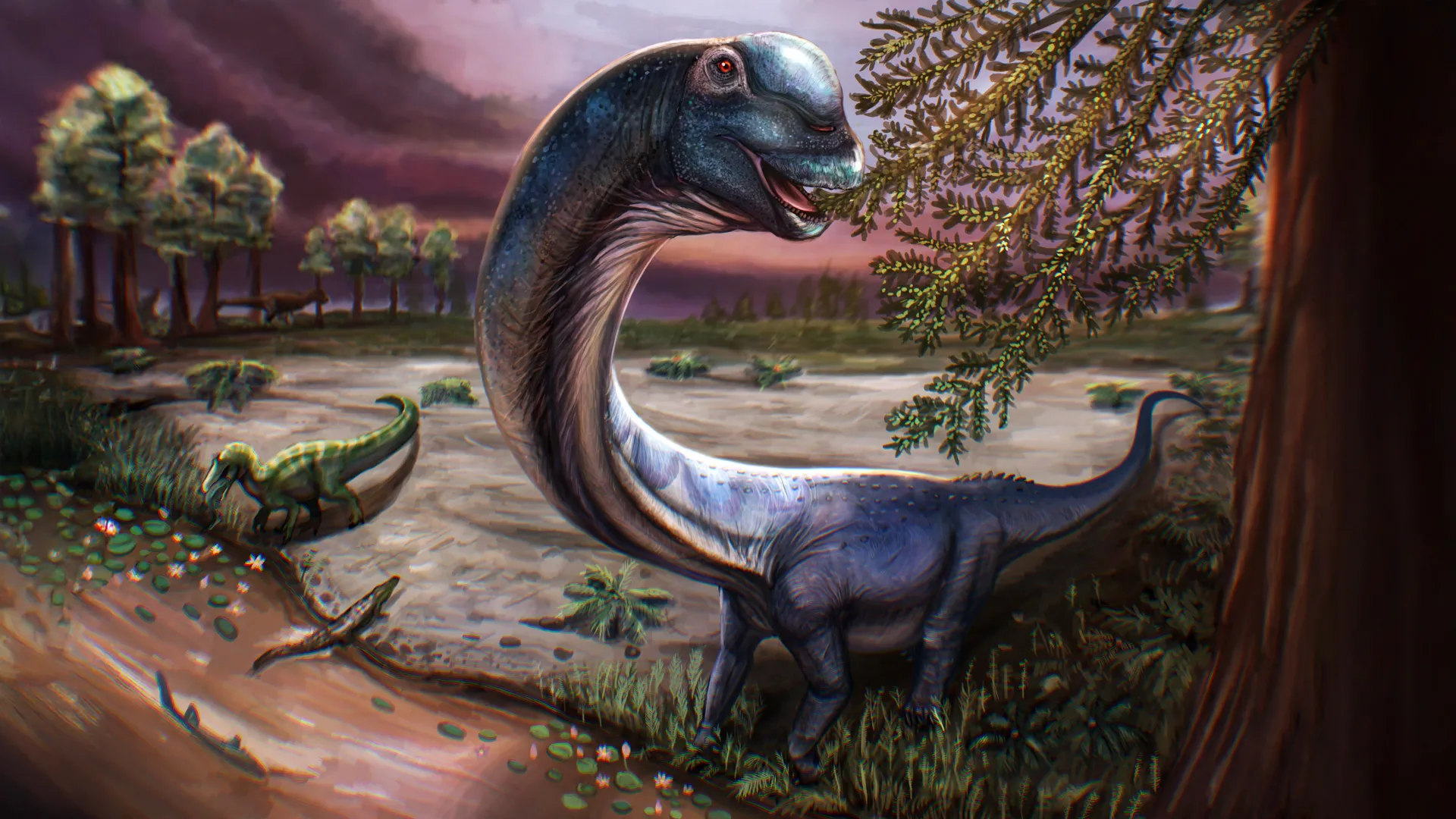
The nomenclature of the species reflects a blend of local folklore and classical mythology. “Naga” refers to the mythical serpent of Southeast Asia, while “Titan” acknowledges the giants of Greek lore. Additionally, the term “chaiyaphumensis” anchors the discovery to the Chaiyaphum province in Thailand. This collaborative effort involved University College London and several prominent Thai institutions, ensuring a high-fidelity data set.
Analyzing the Impact of this Giant Dinosaur Discovery
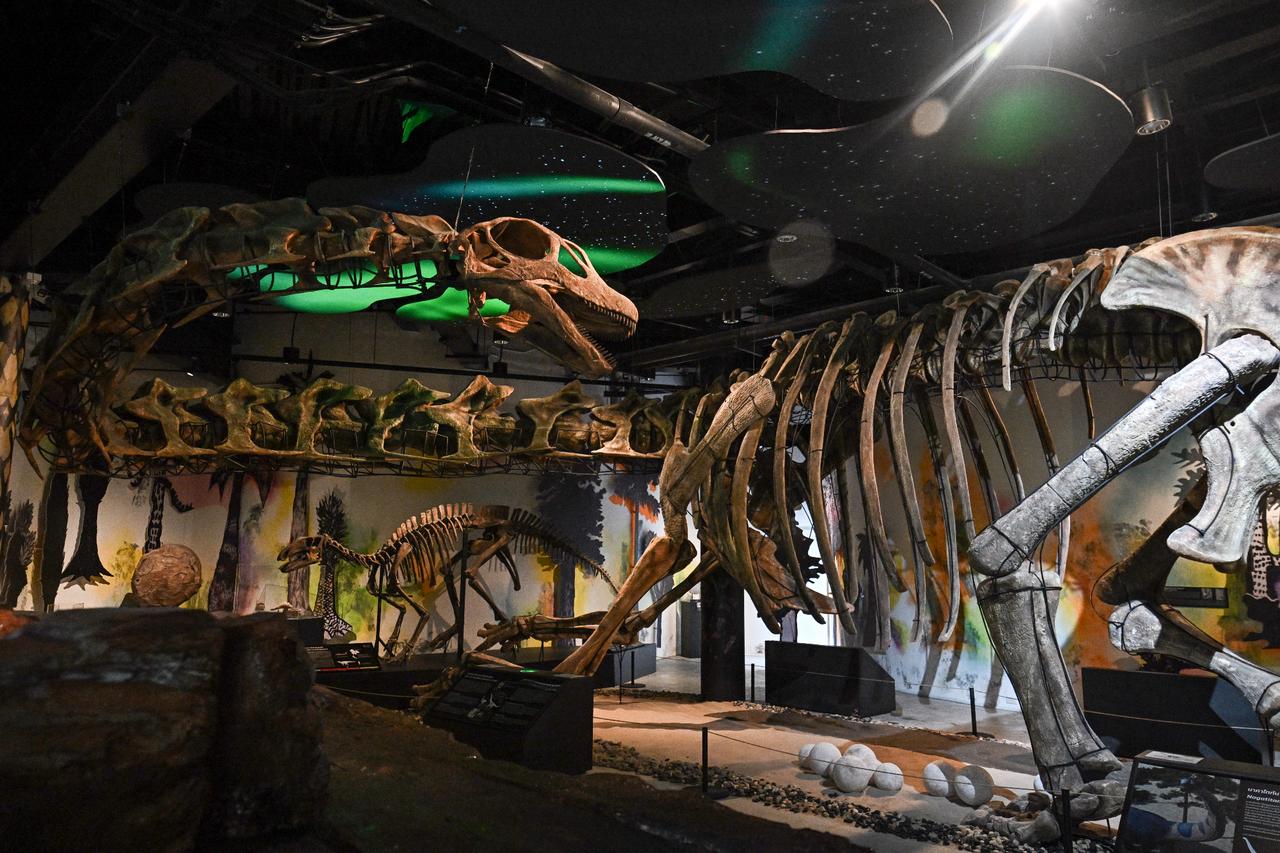
The Translation
The identification of a somphospondylan sauropod indicates that these massive long-necked herbivores were more geographically diverse than previously modeled. These creatures were characterized by their “spongy” vertebrae, which allowed for massive size without unsustainable bone weight. By translating these complex skeletal traits into a clear historical timeline, researchers have proven that Southeast Asia was a primary corridor for megafauna 120 million years ago.
The Socio-Economic Impact
This discovery functions as a catalyst for educational and economic growth within the region. For the average citizen, such findings drive scientific tourism and increase the “prestige equity” of local universities. Students gain access to world-class research opportunities, while households benefit from the increased global interest in regional history. Ultimately, this strengthens the national identity by linking modern geography to a grand prehistoric heritage.
The Forward Path
This development represents a Momentum Shift for Southeast Asian science. By securing international recognition through high-impact journals like Scientific Reports, the region is transitioning from a site of raw data collection to a leader in analytical paleontology. The precision of this study provides a new baseline for future explorations across the continent.