
The structural integrity of the human brain depends on a calibrated balance of protein management. When this system fails, the resulting instability leads to systemic failure. Recent data published in Nature Communications confirms that Alzheimer’s cell death is often driven by a previously unrecognized biological process known as karyoptosis. This discovery provides a new baseline for understanding how neurons dismantle under proteotoxic stress.
The Mechanics of Karyoptosis: A Strategic Breakdown
Traditionally, scientists attributed neuronal loss to apoptosis. However, this study reveals that neurons undergo a distinct structural collapse. Karyoptosis begins when the cell’s protein recycling system—the autophagy-lysosome pathway—becomes overwhelmed by misfolded proteins. Consequently, the nuclear envelope destabilizes, causing the nucleus to lose its structural coherence and expel genetic material.
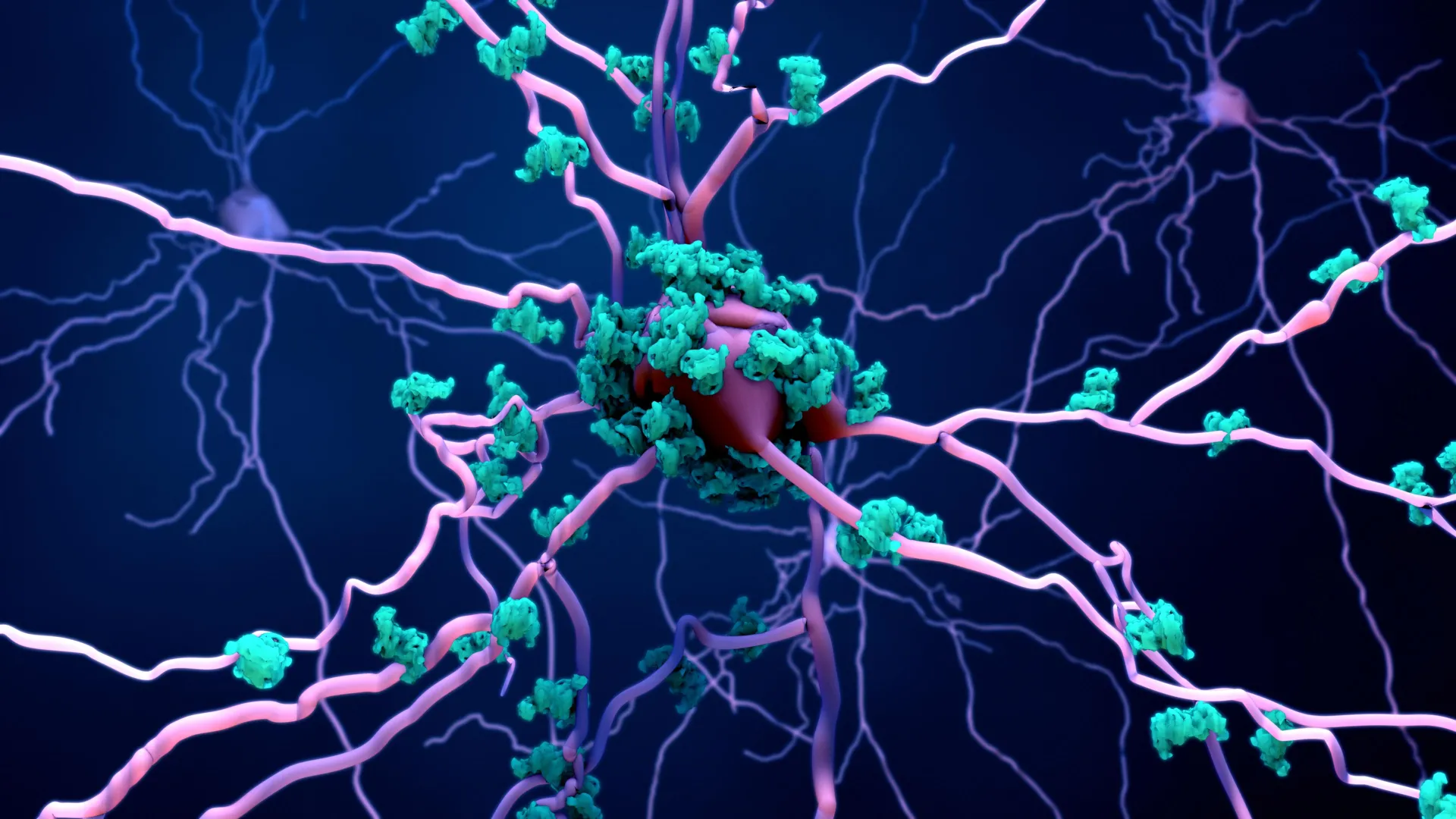
The research identifies the p38 MAP kinase signaling pathway as the primary catalyst for this destruction. By regulating the stability of the protein Lamin B1, this pathway dictates the survival of the nuclear envelope. During laboratory trials involving human stem cells and fruit flies, scientists found that blocking this signaling pathway significantly reduced Alzheimer’s cell death and improved cellular survival rates.
Validating the Pathway in Human Systems

To ensure the findings translated to human biology, the team performed a single-cell analysis on post-mortem brain tissue. The results were precise: hallmarks of karyoptosis appeared significantly more often in brains affected by Alzheimer’s and frontotemporal dementia compared to healthy controls. Furthermore, researchers estimate this mechanism accounts for an additional 18% to 20% of neuronal loss beyond standard biological aging.
The Situation Room: Strategic Analysis
The Translation (Clear Context)
In simple terms, think of the brain cell as a precision-engineered factory. The autophagy-lysosome pathway is the waste disposal unit. When “trash” (misfolded proteins) builds up too fast, the disposal unit breaks. This failure doesn’t just stop production; it causes the factory’s “command center” (the nucleus) to physically dissolve. Karyoptosis is the technical name for this specific command-center collapse. Understanding this allows us to move from general observation to targeted intervention.
The Socio-Economic Impact
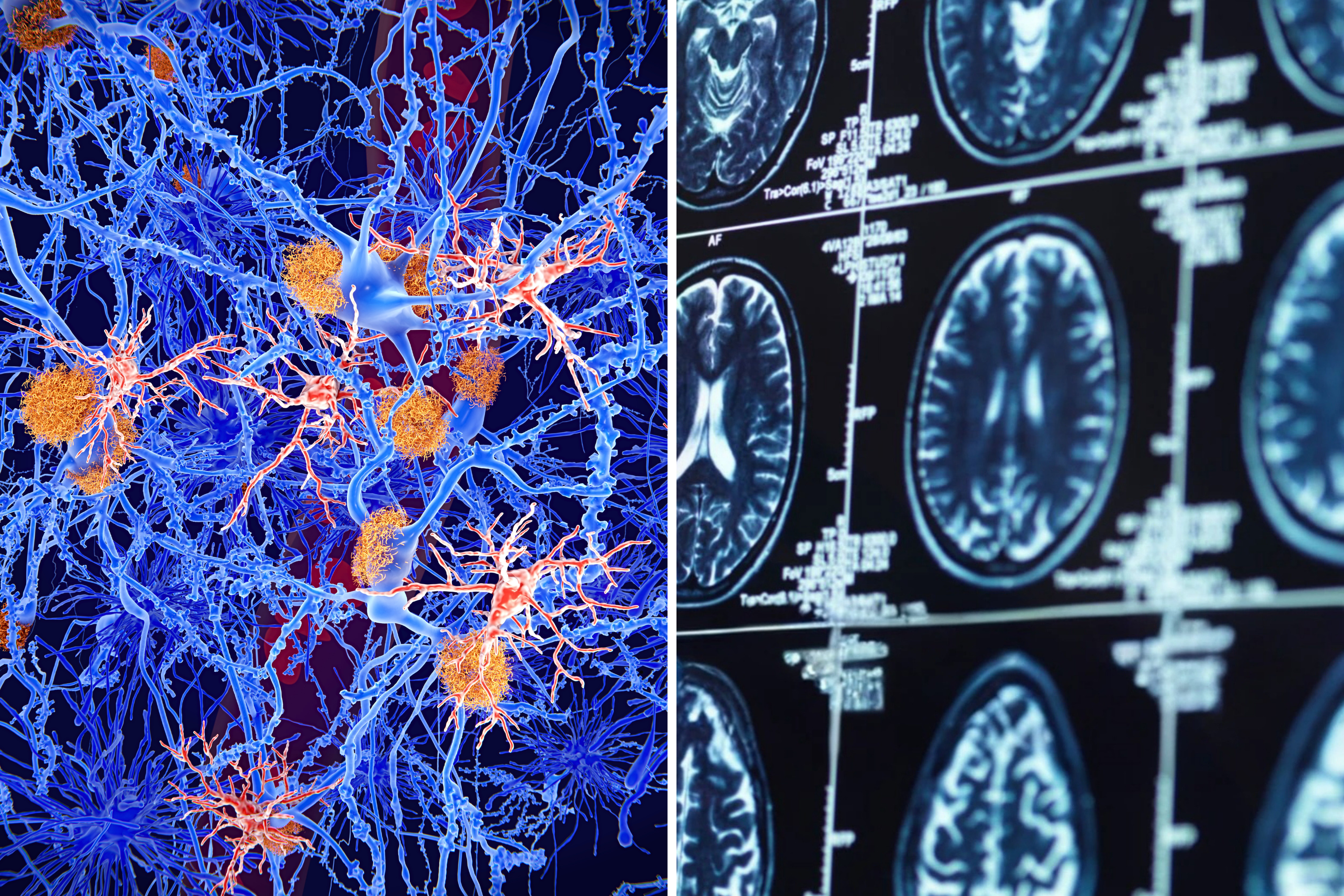
For the average Pakistani household, neurodegenerative diseases represent a growing economic and emotional burden. As our population ages, the cost of long-term care for dementia patients could disrupt domestic financial stability. By identifying a mechanism that responsible for 20% of cell loss, we pave the way for calibrated diagnostic tools. These tools can eventually lead to affordable, localized treatments, reducing the national healthcare load and preserving the productivity of our aging workforce.
The Forward Path (Opinion)
This development represents a Momentum Shift. For decades, Alzheimer’s research has been stuck in a cycle of maintenance. However, identifying the specific p38 MAP kinase signaling pathway provides a concrete target for precision medicine. We are no longer just watching the system fail; we have identified the specific structural flaw that needs reinforcement. This is a critical step toward systemic efficiency in neuro-therapeutics.