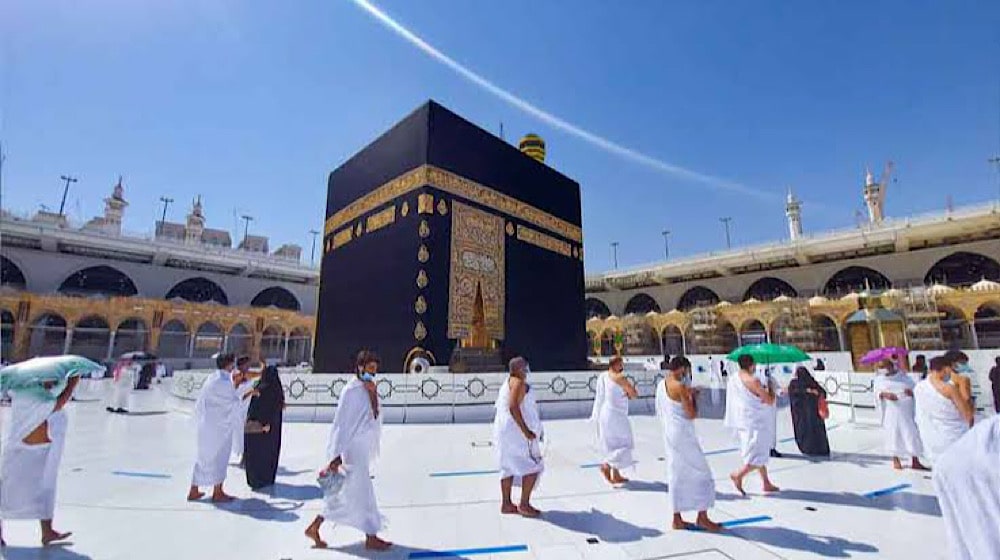
Saudi Arabia has officially initiated the Umrah visa issuance for the 1448 AH season as of May 31. This recalibrated timeline follows the conclusion of the recent Hajj, signaling a structural shift toward year-round accessibility for global pilgrims. Consequently, the Ministry of Hajj and Umrah aims to streamline the influx of international visitors through a precisely defined arrival and departure baseline.
Strategic Timelines for Umrah Visa Issuance
The Ministry has established a rigorous schedule to manage the millions of pilgrims expected over the next three years. Specifically, the window for visa applications remains open until March 9, 2027. These dates serve as a catalyst for better travel planning among Pakistani agencies and independent pilgrims alike. Key milestones include:
- Visa Issuance Deadline: March 9, 2027 (Shawwal 1, 1448 AH)
- Last Entry Date: March 23, 2027
- Mandatory Exit Date: April 7, 2027
Digital Integration via the Nusuk Platform
Accessing the Kingdom now requires the mandatory use of the Nusuk application. This unified digital gateway manages permits, transport bookings, and hospitality services with high precision. Furthermore, the system incorporates QR code verification and automated contracting. This technological framework effectively reduces the manual friction traditionally associated with pilgrimage logistics, ensuring systemic efficiency.
The Situation Room Analysis
The Translation (Clear Context)
The transition to the Nusuk platform represents more than just a software update; it is a fundamental restructuring of the Umrah ecosystem. By centralizing permits and bookings, the Saudi government is removing the reliance on fragmented third-party agents. This “direct-to-pilgrim” model ensures that every traveler has a calibrated digital identity that governs their entire journey from visa issuance to departure.
The Socio-Economic Impact
For the average Pakistani citizen, this development translates into increased financial transparency. Historically, opaque pricing from travel agents often inflated the cost of the pilgrimage. Now, with a digital gateway, households can better forecast expenses and avoid hidden fees. Additionally, the expanded infrastructure under Vision 2030 will likely stabilize hospitality costs in Mecca and Medina, making the spiritual journey more accessible for both urban and rural families.
The “Forward Path” (Opinion)
This development represents a Momentum Shift. The move to announce Umrah visa issuance protocols for the 1448 AH season so far in advance indicates a sophisticated level of systemic planning. Saudi Arabia is no longer reacting to seasonal demand; it is proactively managing it. For Pakistan, this creates a stable environment for our religious tourism sector to modernize and integrate with international digital standards.