
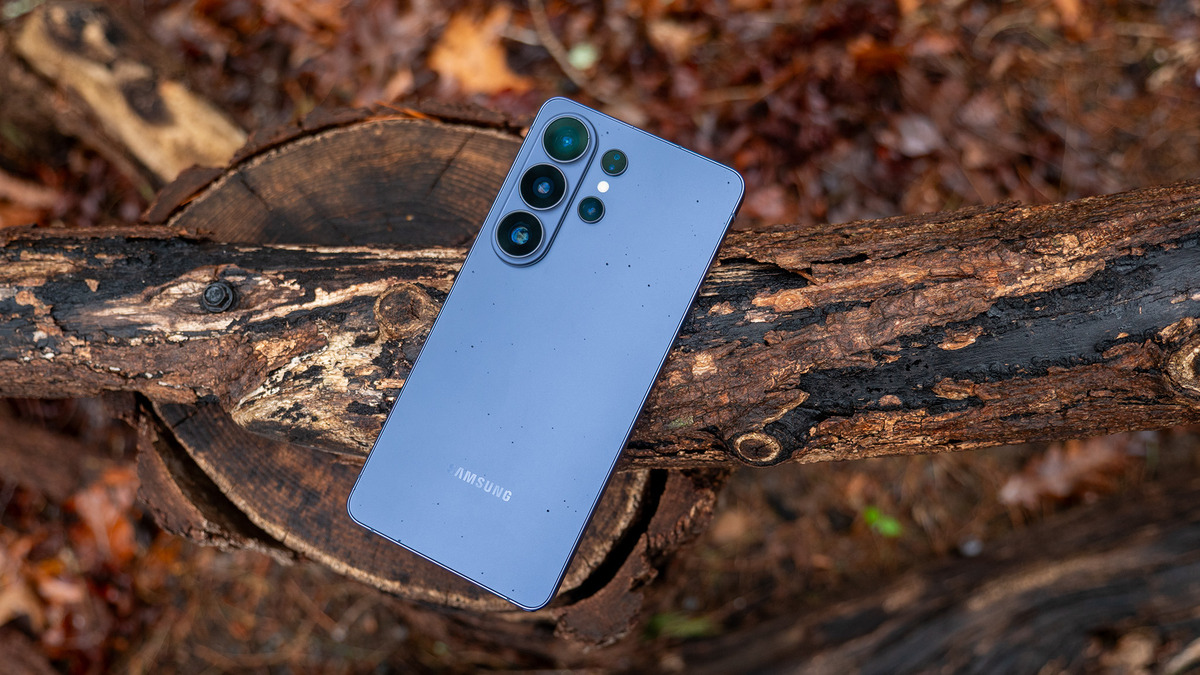
National technological parity depends on the calibration of mobile ecosystems that define our digital productivity. Consequently, the rumored Galaxy S27 Ultra overhaul represents a structural pivot in Samsung’s flagship strategy. By early 2027, Samsung intends to integrate architectural changes that maintain its competitive baseline against Apple’s upcoming upgrades. This evolution prioritizes system efficiency over incremental aesthetic shifts.
Strategic Galaxy S27 Ultra Overhaul: Optimizing the Optical Array
Samsung engineers are reportedly recalibrating the device’s imaging hardware. The plan involves removing the 3x telephoto camera, a move that provides a strategic catalyst for internal space optimization. By consolidating the optical stack into a superior 5x periscope system, the device achieves better image stability. Furthermore, this hardware consolidation frees up critical physical volume within the chassis for other high-priority components.
Breaking the 5,000 mAh Power Baseline
Internal space optimization directly impacts power systems. The Galaxy S27 Ultra overhaul aims to finally push battery capacity beyond the 5,000 mAh threshold that has limited previous models. Although Samsung may retain lithium-ion technology, the company is redirecting research funds into software optimization. Therefore, users can expect a more calibrated power discharge profile that extends operational longevity.
Additionally, a redesigned camera bar may facilitate the inclusion of Qi2 MagSafe-style wireless charging. This precision upgrade resolves a long-standing compatibility friction for professional users. Consequently, the Galaxy S27 Ultra will support a broader ecosystem of high-speed charging accessories.
Tier Stratification: The Introduction of the Galaxy S27 Pro
To stabilize the product hierarchy, Samsung plans to introduce a Galaxy S27 Pro. This new variant bridges the functional gap between the standard and Ultra models. While the Ultra remains the technological apex, the Pro model offers a calibrated alternative for users seeking flagship precision without the maximum footprint. This strategic expansion strengthens Samsung’s market position against a diversifying iPhone lineup.
The Situation Room: Strategic Analysis
The Translation
Samsung is sacrificing redundant components—specifically the 3x lens—to solve structural weaknesses in battery and charging standards. This is not a reduction in quality; rather, it is a precision trade-off. By simplifying the camera array, they gain the “architectural real estate” required for a higher-capacity battery and the magnetic coils needed for Qi2 standards.
The Socio-Economic Impact
For Pakistani students and entrepreneurs, increased battery endurance and universal Qi2 charging standards reduce digital downtime. In an economy where mobile devices serve as primary workstations, these improvements foster a more resilient mobile workforce. Furthermore, the introduction of a ‘Pro’ model provides a high-tier option that may be more financially accessible than the Ultra, aiding professional digital adoption across urban centers.
The Forward Path
This development represents a Momentum Shift. Samsung is moving beyond the stagnation of the 5,000 mAh limit and acknowledging the global shift toward open-standard accessories. If successfully executed, this overhaul will stabilize Samsung’s position as the primary innovator in the Android ecosystem.








