
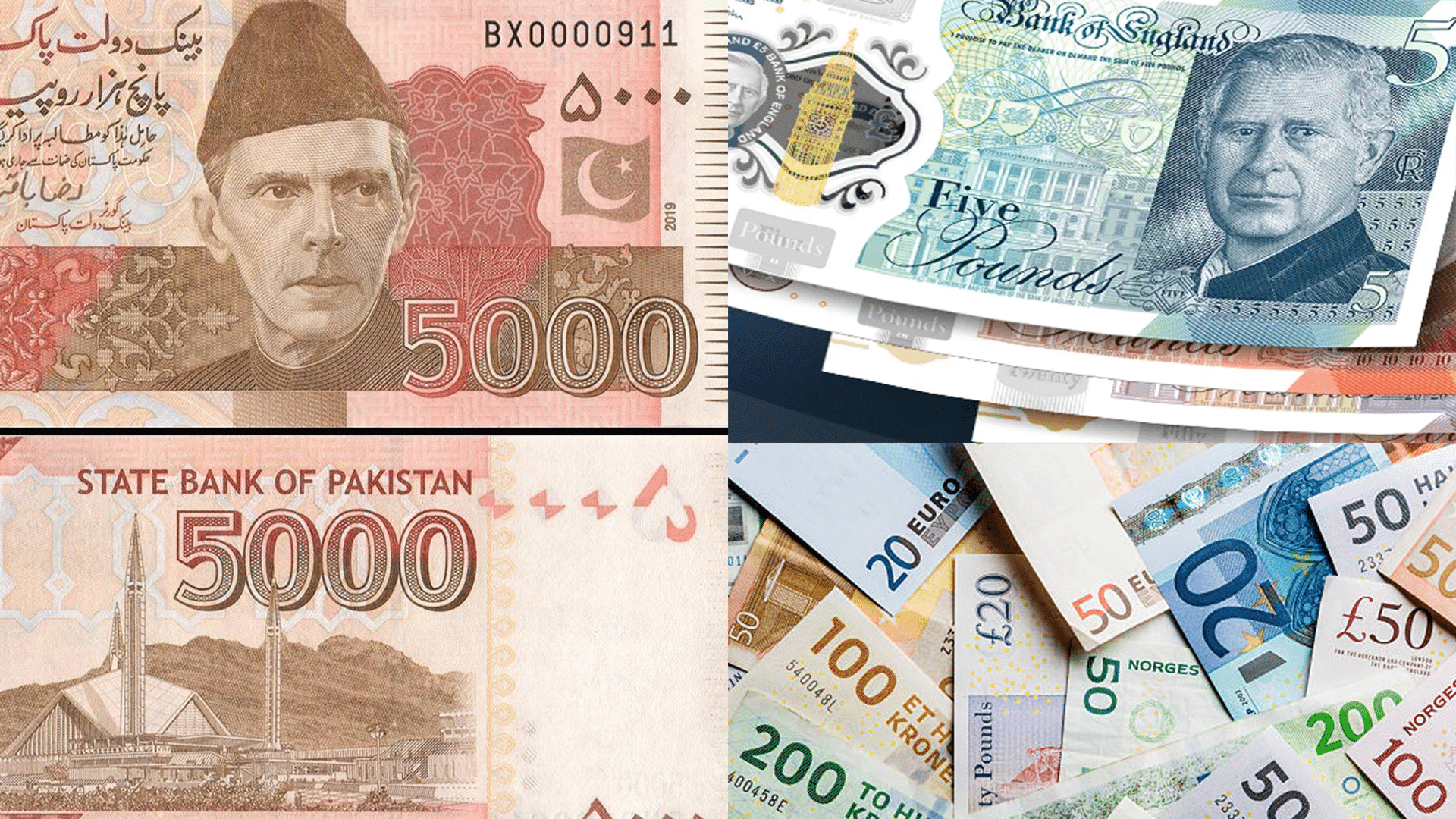
The Pakistani Rupee performance reached a significant structural milestone on Monday, closing in the green against the US Dollar (USD) for the 211th consecutive day. This calibrated progression underscores a period of sustained currency stabilization within the national fiscal framework. Consequently, the PKR closed at 277.77 after gaining three paisas against the greenback during the latest trading session.
Notably, the local currency has consistently reported gains against the dollar since December 25, 2025. This streak represents a precision-led effort to maintain exchange rate predictability. Furthermore, while the USD remains the primary baseline, the Rupee displayed mixed results across other major global currency corridors.
Calibrating the Pakistani Rupee Performance Against Global Currencies
The PKR maintained a stable trajectory against the UAE Dirham (AED) and secured a marginal gain of one paisa against the Saudi Riyal (SAR). However, the currency faced structural pressure from European markets. Specifically, the Rupee lost 23 paisas against the British Pound (GBP) and 31 paisas against the Euro (EUR). These fluctuations reflect the ongoing volatility within the broader international financial ecosystem.
Detailed Exchange Rate Matrix (August 2026)
- USD: Gained 0.0304 PKR (Closing at 277.77)
- GBP: Lost 0.2370 PKR (Closing near 373.68)
- EUR: Lost 0.3122 PKR (Closing at 320.09)
- AUD: Gained 0.7714 PKR (Closing at 194.55)
- CAD: Gained 0.2969 PKR (Closing at 197.85)
The Translation: Contextualizing the Data
In technical terms, the “211-day streak” suggests that the central bank’s liquidity management and trade balance strategies are functioning with high precision. When the PKR “gains paisas,” it effectively increases the purchasing power of the national treasury relative to foreign debt obligations. The decline against the British Pound, however, indicates a relative strengthening of the UK economy or a shift in European market demand rather than an inherent weakness in Pakistan’s domestic fiscal policy.
The Socio-Economic Impact: Life in Pakistan
For the average Pakistani household, a stable Pakistani Rupee performance against the USD serves as a critical buffer against imported inflation. This stability directly impacts the cost of fuel, electricity, and essential imported commodities. Conversely, the slight decline against the Pound affects students paying tuition in the UK and families relying on remittances from Europe, as the cost of currency conversion becomes marginally more expensive.
The Forward Path: Strategic Analysis
From an architectural standpoint, this development represents a Stabilization Move. While the consistent gains against the USD are commendable, the volatility against the Euro and Pound suggests that Pakistan must continue diversifying its foreign exchange reserves. To achieve a true “Momentum Shift,” the economy must transition from managed stability to export-driven growth, reducing the reliance on paisa-level gains for psychological market confidence.








