
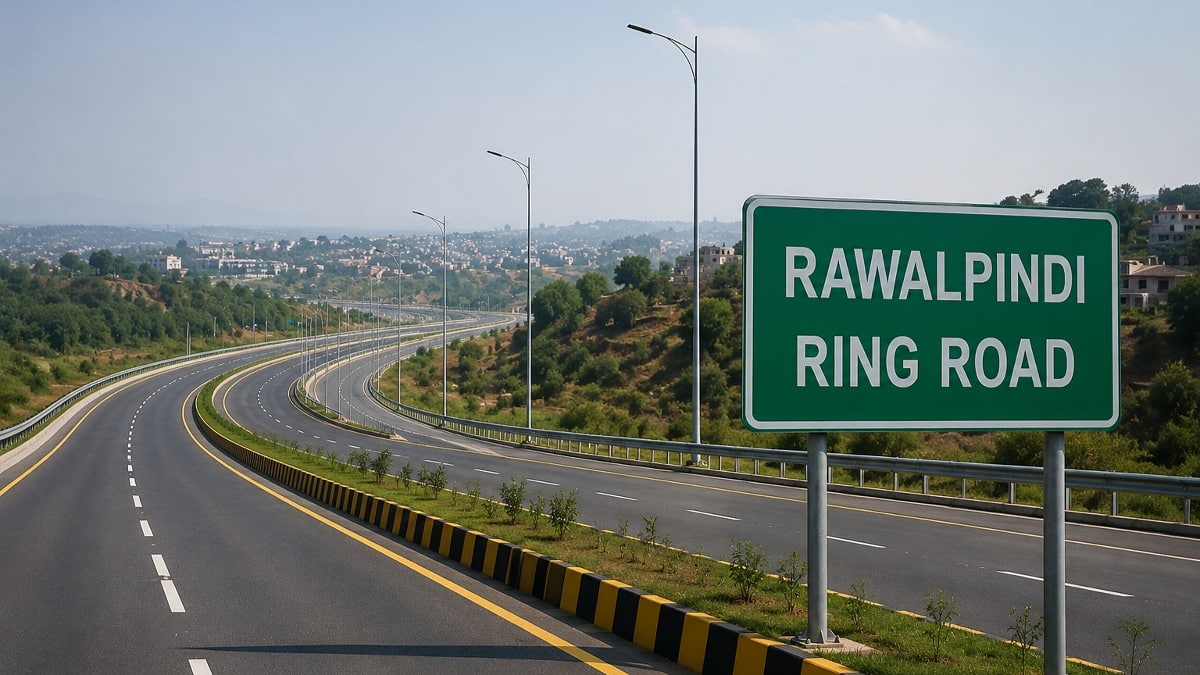
The structural integrity of regional logistics recently encountered a friction point at the Maira Mohra Interchange. Local landowners and residents have launched a strategic protest against the closure of the Ring Road access route, citing a disruption in agricultural connectivity. This development highlights the critical need for a calibrated balance between high-speed infrastructure and the socio-economic baseline of local communities.
The Technical Conflict: Revenue Records and SOPs
The protest, spearheaded by local leaders including Raja Ilyas Kyani and Zia Mahmood Chaudhry, centers on a deviation from established Punjab government Standard Operating Procedures (SOPs). According to revenue records, the blocked passage is a registered public route utilized for decades. Consequently, the installation of fencing without providing planned underpasses represents a structural oversight in the project’s execution. Furthermore, residents claim that previous administrative assurances regarding the return of surplus land remain unfulfilled.

The Situation Room: Analysis
The Translation (Clear Context)
In technical terms, the Rawalpindi Ring Road is designed as a controlled-access corridor. However, the logic of “precision engineering” must include the human element. The current fencing effectively creates a physical barrier between farmers and their primary economic assets. While the SOPs aim for high-speed efficiency, the omission of revenue-linked access points creates a systemic bottleneck for the local agricultural supply chain.
The Socio-Economic Impact
For the average Pakistani citizen in Maira Mohra, this development is not merely a logistical inconvenience; it is a direct threat to their livelihood. The closure of Ring Road access impacts the following areas:
- Operational Costs: Farmers must now navigate longer, less efficient routes to reach their land, increasing fuel and time expenditure.
- Property Valuation: Landlocked agricultural plots face immediate depreciation in market value.
- Local Productivity: Restricting the movement of machinery and harvest yields slows down the regional agricultural output.
The Forward Path (Opinion)
This situation represents a Stabilization Move that requires immediate refinement. Infrastructure that isolates its own stakeholders is inherently inefficient. To maintain positive momentum, the Punjab government must integrate the promised underpasses to restore Ring Road access. Precision in civil engineering is meaningless if it fails to calibrate for the existing socio-economic landscape. Restoring these historic routes is the only catalyst for long-term project success.








