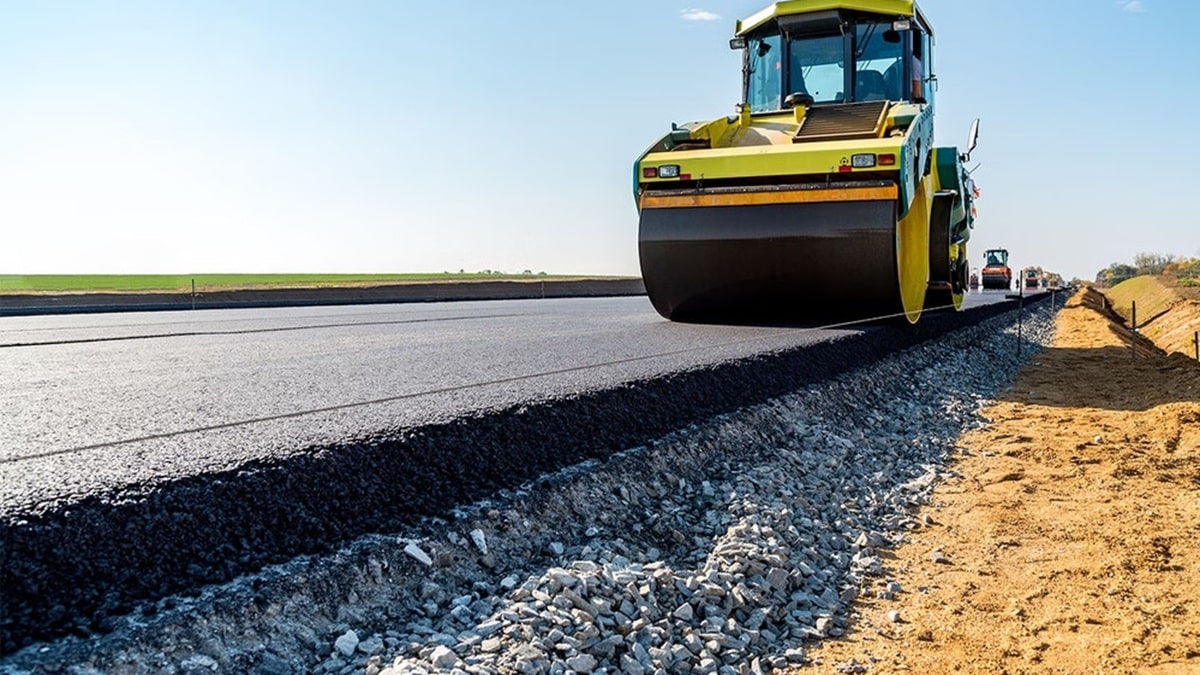
Infrastructure serves as the circulatory system of a modern metropolis. The Rawalpindi Development Authority (RDA) has successfully executed the Faizabad Interchange upgrade, marking a calibrated improvement in the region’s logistical framework. By rehabilitating the slip road and integrating advanced traffic signboards, the authority has established a new baseline for urban transit efficiency at this critical junction.
Strategic Execution of the Faizabad Interchange Upgrade
The RDA launched this precision project on March 6, 2026, with a strictly allocated budget of Rs. 15.49 million. Consequently, the engineering teams finalized the construction within the approved timeline without compromising quality benchmarks. MPA Raja Hanif Advocate, Chairman of the Chief Minister’s Inspection Team Punjab, officially inaugurated the site and commended the structural integrity of the work.
Furthermore, the installation of informative signboards addresses a long-standing gap in driver navigation. These upgrades facilitate a more predictable traffic flow, reducing the probability of congestion-induced delays at one of the city’s most congested nodes. The project has now been formally handed over for public use.
The Translation: Contextualizing Urban Rehabilitation
In the context of urban planning, “rehabilitation” refers to the structural restoration of existing assets rather than mere cosmetic repairs. By focusing on the Faizabad Interchange upgrade, the RDA specifically addressed wear-and-tear on a high-stress slip road. This strategic intervention ensures that the road surface can withstand heavy load volumes while providing the necessary friction for safe braking and acceleration.
The Socio-Economic Impact: Benefits for the Citizenry
For the average Pakistani professional or student, this development translates directly into time and fuel savings. Reducing bottlenecks at the Faizabad Interchange minimizes the daily “transit tax” paid by commuters in the form of idling engines and lost productivity. Improved signage also enhances safety for nocturnal travelers, thereby reducing the risk of accidents and associated healthcare costs for urban households.
The Forward Path: Strategic Analysis
This development represents a Momentum Shift in Rawalpindi’s infrastructure strategy. While the project scale was localized, the adherence to strict timelines and budgetary constraints signals a shift toward higher systemic efficiency. To sustain this progress, the Punjab government must now replicate this precision-led model across other secondary transit arteries to prevent future gridlock in the expanding metropolitan area.