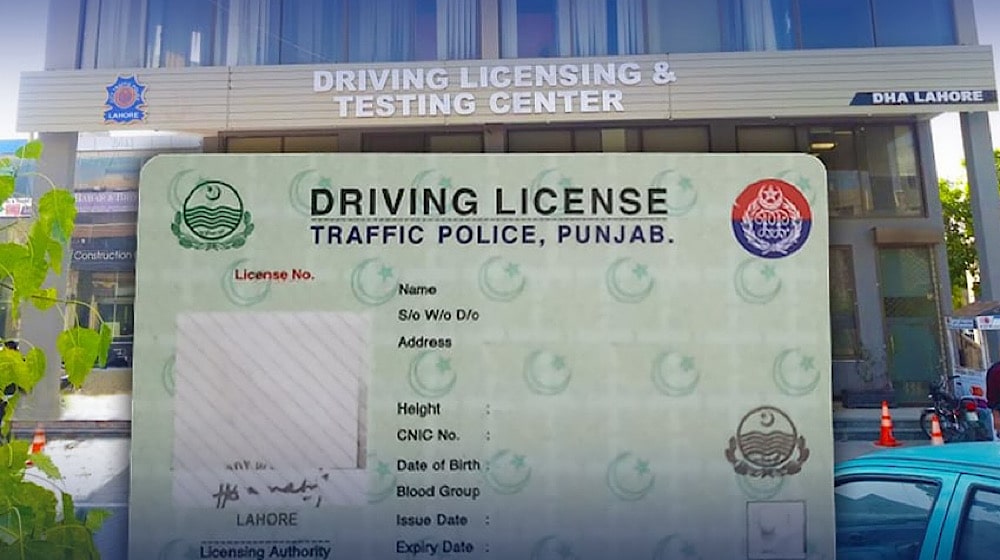
In a strategic move to enhance systemic efficiency, the Punjab Traffic Police has enacted a significant reform, directly impacting motorcycle riders. This streamlined license process now permits applicants to acquire both a learner and a regular driving license within a single day. Consequently, this initiative is calibrated to boost public convenience and accelerate compliance, ensuring a higher rate of properly licensed operators across the province without unnecessary procedural delays. This policy adjustment reflects a commitment to responsive governance, addressing long-standing public grievances related to administrative lead times.
The Translation: Deconstructing the New Licensing Protocol
Previously, citizens often navigated a multi-stage, frequently protracted journey to secure a motorcycle driving license. This process involved separate applications and distinct waiting periods for learner permits before one could even apply for a full license. This sequential methodology often resulted in significant delays and public inconvenience.
The revised protocol, however, fundamentally reshapes this experience. It integrates these typically distinct application windows into one cohesive, accelerated process. This structural optimization signifies a paradigm shift from sequential bureaucratic steps to an efficient, concurrent approval system, thereby minimizing administrative friction and streamlining the path to legal ridership. A spokesperson for the Punjab Traffic Police officially confirmed this reform’s objective: to tangibly improve accessibility and adherence to crucial licensing mandates. This represents a precision-engineered solution to a pervasive logistical challenge across the province.
The Socio-Economic Impact: Calibrating Daily Life for Pakistanis
This optimized licensing framework directly influences the daily operational cadence for millions of Pakistani citizens. Students and professionals, particularly those in urban and peri-urban centers, heavily rely on motorcycles for their daily commutes. For an urban professional, the dramatic reduction in administrative lead time translates into fewer lost work hours, enhancing productivity and economic contribution. Comparatively, rural households gain more immediate access to legal mobility, a critical factor for agricultural transport, market access, and engagement with essential social services like healthcare and education. This strategic policy adjustment fundamentally lowers the barrier to legal road use, fostering greater stability in personal and commercial logistics across Punjab and promoting a more inclusive economic environment.
The “Forward Path”: Assessing Strategic Trajectory
This initiative represents a definitive Momentum Shift. By proactively addressing systemic inefficiencies within the licensing acquisition process, the Punjab Traffic Police is not merely maintaining current administrative protocols. Instead, it is actively accelerating citizen integration into a formalized and safer road safety framework. This strategic calibration will likely serve as a robust baseline for future administrative reforms across various governmental departments, showcasing a clear commitment to responsive governance and citizen-centric policy design. Furthermore, this move signals a broader vision for enhanced public service delivery and operational excellence.
Operational Metrics: A Baseline of Compliance
Official statistical data provides a clear operational baseline for the province’s licensing efforts. This year alone, a total of 2.354 million motorcycle licenses have been precisely issued across Punjab. Significantly, over 1 million of these constituted regular driving licenses, indicating a substantial shift towards formalized ridership. Moreover, a robust civic engagement is evident through renewal statistics. Over 671,000 citizens successfully renewed their learner and regular licenses, demonstrating consistent adherence to regulations. Additionally, more than 710,000 individuals strategically utilized initial learner services, showcasing a widespread uptake of new licensing opportunities. These figures underscore the critical necessity and high demand for an efficient licensing system.
Enforcing Safety Protocols: A Mandate for Public Welfare
DIG Traffic Muhammad Waqas Nazir precisely articulated the critical imperative behind these regulations. He stated that a substantial proportion of road accidents systematically involve individuals operating motorcycles without a valid license, posing a significant risk to public safety. Consequently, the authorities are implementing stringent actions against unlicensed drivers, ensuring strict adherence to established safety protocols and legal frameworks. He urged all citizens to secure their driving licenses promptly. This proactive measure is designed to avert substantial fines and potential legal ramifications, thereby enhancing overall road safety, reducing accident rates, and fostering systemic order across Punjab’s thoroughfares. It is a calibrated effort to elevate public welfare through disciplined compliance.