Strategic Recalibration of Teacher Development
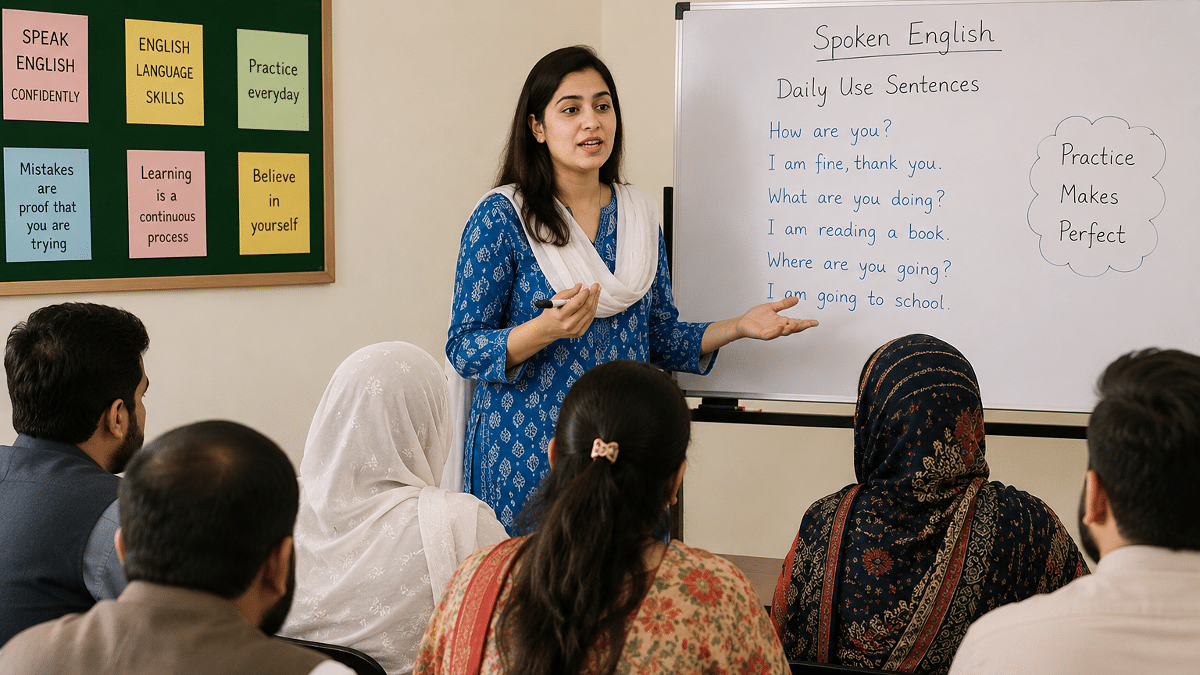
Systemic progress requires a precise calibration of human capital assessment methods. Consequently, the Punjab government has opted to postpone its English proficiency training for 35,000 educators across the province. This strategic pause follows structural concerns raised by teachers’ organizations regarding the proposed digital assessment methodology. While the initiative remains a priority, authorities are currently refining the baseline metrics to ensure the program delivers a measurable catalyst for educational quality.
Addressing Assessment Infrastructure
The initial framework for the English proficiency training included a mandatory online assessment via Google Forms to determine teacher capacity. However, educators’ unions challenged this approach, arguing that a singular digital test fails to capture the comprehensive pedagogical skills required in a classroom setting. In response, the Punjab Curriculum and Textbook Authority decided to review the program’s structural logic. They aim to replace the centralized district-level model with a more localized, tehsil-level training infrastructure.

Decentralized Execution and Funding
To facilitate this transition, the government has already authorized the release of Rs. 2 billion to the Education Department. This capital injection ensures that the move to tehsil-level training remains financially viable. Furthermore, officials are currently drafting a new schedule to accommodate this decentralized approach. This strategic shift is expected to make the training process more accessible and effective for the thousands of teachers involved in the provincial workforce.
The “Situation Room” Analysis
The Translation (Clear Context)
The core issue here is not a lack of funding, but a conflict in “Assessment Logic.” The government sought a high-speed digital audit (Google Forms), while the teachers demanded a high-fidelity pedagogical evaluation. By shifting to the tehsil level, the authority is moving from a “top-down” command structure to a “localized execution” model, which typically yields higher engagement in large-scale human capital projects.
The Socio-Economic Impact
For the average Pakistani household, the quality of English instruction in public schools is a direct determinant of a student’s future employability in the global digital economy. If this training is calibrated correctly, it could bridge the linguistic gap between public and private school graduates. However, the delay means that the systemic upgrade of 35,000 classrooms remains on hold, potentially slowing the progress of students in rural Punjab.
The Forward Path (Opinion)
This development represents a Stabilization Move. While the postponement may seem like a setback, forcing a flawed assessment method onto 35,000 teachers would have likely led to systemic friction and poor data. By decentralizing to the tehsil level and addressing union concerns, the government is building a more sustainable foundation for future professional development. The focus must now remain on rapid schedule approval to maintain momentum.
Explore global academic opportunities at Next Gen Scholarships.