
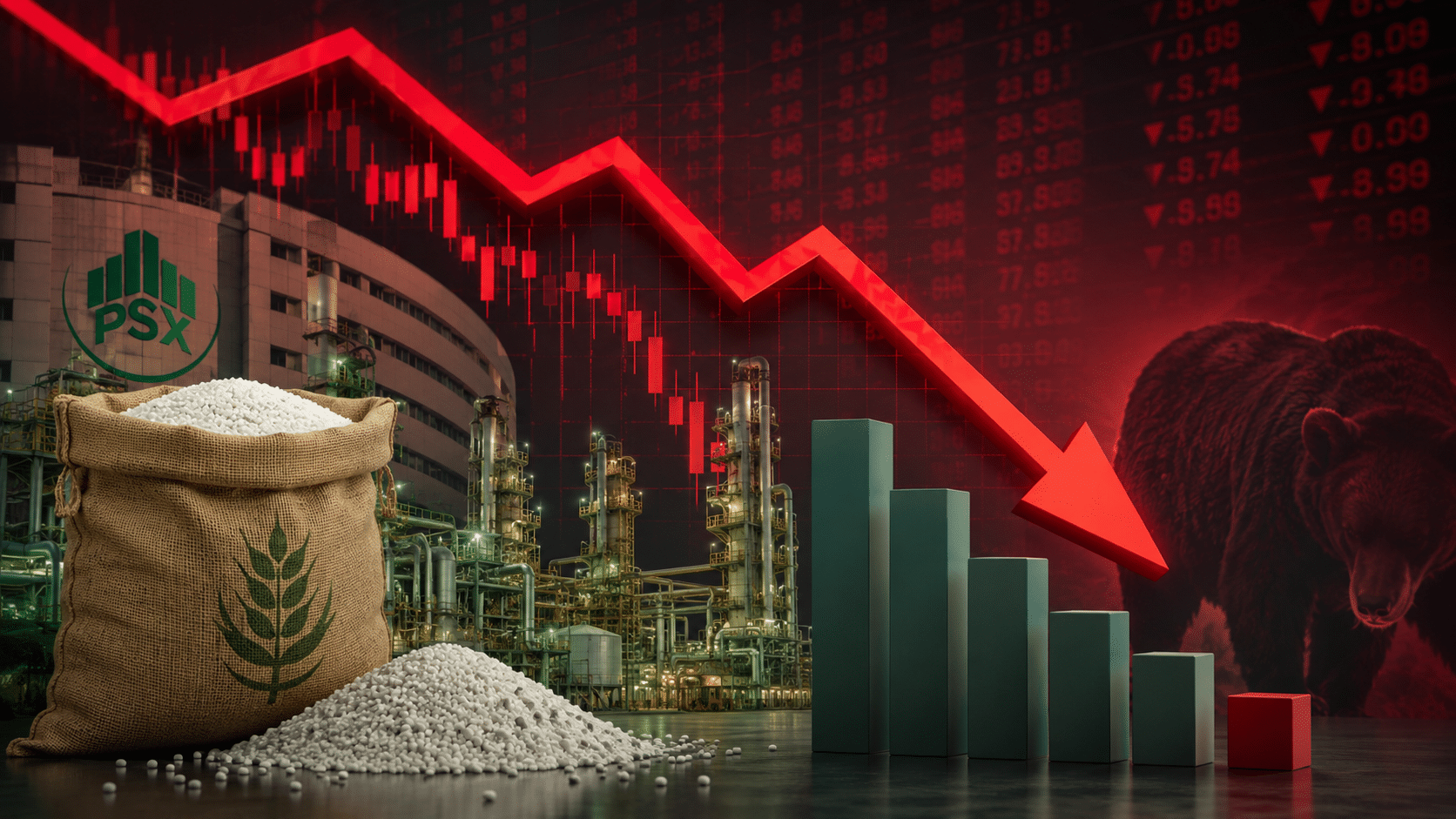
The Fertilizer Sector Profits in Pakistan face a calibrated decline of 20 percent year-on-year for the second quarter of 2026. This structural shift stems from reduced dividend income and volatile sales volumes despite recent price corrections. Consequently, industry experts suggest that major manufacturers might skip dividend payouts to preserve capital during this fiscal transition.
Strategic Volatility in Fertilizer Sector Profits
Market data reveals a divergence between urea and DAP performance. While urea offtake increased by 17 percent to 1.466 million tons, high prices decimated DAP demand by 38 percent. Furthermore, fertilizer manufacturers rolled back discounts and increased urea prices by Rs. 100 per bag to stabilize margins. Simultaneously, average DAP prices climbed 25 percent, reflecting global inflationary pressures on local agricultural inputs.
Company Performance: Engro vs. Fauji Fertilizer
Engro Fertilizers faces a significant precision challenge, with earnings projected to plummet 52 percent. This decline correlates with a 41 percent drop in urea sales and a 68 percent crash in DAP sales. In contrast, Fauji Fertilizer Company (FFC) shows structural resilience. Although its standalone earnings may dip 13 percent due to lower dividend income from PMP, its consolidated earnings are projected to rise 16 percent, supported by higher internal sales efficiency.
The Situation Room Analysis
The Translation (Clear Context)
The projected 20 percent profit dip is not necessarily a sign of operational failure but a “Dividend Reset.” For years, these giants relied on high payouts from subsidiaries to boost their bottom lines. As international DAP prices spiked, the cost-benefit ratio for farmers collapsed, leading to a massive inventory buildup of 652,000 tons for players like Engro. Essentially, the sector is currently rebalancing its pricing strategy to match the reduced purchasing power of the domestic market.
The Socio-Economic Impact
This development creates a direct baseline pressure on the average Pakistani household. As fertilizer prices rise to maintain corporate margins, the “Cost of Production” for staple crops increases. Consequently, urban and rural citizens should anticipate higher food inflation in the coming cycles. For the professional investor, the potential skip in dividend payouts represents a temporary liquidity tightening in the PSX, requiring a strategic long-term outlook rather than short-term speculation.
The “Forward Path” (Opinion)
This phase represents a Stabilization Move. While the headline figures suggest a retreat, the 18 percent quarter-on-quarter improvement indicates that the sector is successfully calibrating to a high-price environment. The focus is shifting from “Volume-Driven Growth” to “Margin Preservation.” To regain momentum, the industry must innovate in supply chain efficiency to lower the retail price barrier for DAP, ensuring national food security remains decoupled from global price shocks.








