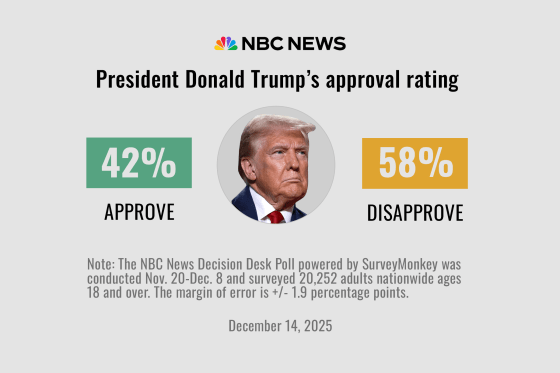
The global geopolitical architecture often mirrors the internal stability of major economic powers. Recent calibrated data from Reuters-Ipsos and AP-NORC indicates a momentum shift as public approval for Donald Trump drops to the mid-30s. This decline fundamentally alters the strategic landscape for Republican candidates preparing for the US Midterm Elections.
Analyzing the Economic Baseline and Policy Precision
Precision polling reveals that nearly 70% of Americans now categorize the economy as poor. Consequently, approval for the administration’s economic management has plummeted to 30%, a sharp decrease from the 38% recorded in March. Furthermore, only 23% of respondents currently support the strategic approach to the rising cost of living.
Immigration policy, once a catalyst for voter mobilization, is also witnessing a structural decline in support. In contrast to earlier terms where approval reached 50%, only 40% of citizens now back the current immigration handling. Specifically, 52% of voters indicate they are less likely to support candidates who mirror Trump’s deportation strategies during the US Midterm Elections.

Divergent Sentiment and Strategic Metrics
Despite the broad downward trend, the Republican base maintains a resilient 80% approval rating. This internal loyalty creates a complex strategic tension for the party. While foreign policy disapproval sits at 67% regarding Iran, a significant majority still favors precision-focused domestic policies such as stricter voter identification and citizenship verification requirements.

The Translation (Clear Context)
In “Next Gen” terms, these numbers represent more than just popularity; they signal a loss of system efficiency. When economic approval drops below 30%, it indicates that the average voter no longer views the current leadership as a viable catalyst for prosperity. The “Wrong Direction” metric at 72% acts as a structural warning that the existing political framework is disconnected from the public’s baseline needs.
The Socio-Economic Impact
For the Pakistani professional and household, US political volatility directly impacts the global financial baseline. A shift in the US Midterm Elections could lead to significant changes in trade tariffs and visa policies. As the US economy is viewed as “poor” by its own citizens, we may expect fluctuations in the dollar-rupee parity, affecting the cost of imported goods and the purchasing power of the Pakistani middle class.
The Forward Path (Opinion)
This development represents a Momentum Shift. The Republican party faces a strategic crossroads: they must decide whether to pivot toward broader economic stability or double down on a base that is increasingly isolated from the national majority. For global observers, this is a period of necessary recalibration. Precision in policy will be the only way to stabilize this declining trajectory before the ballots are cast.