
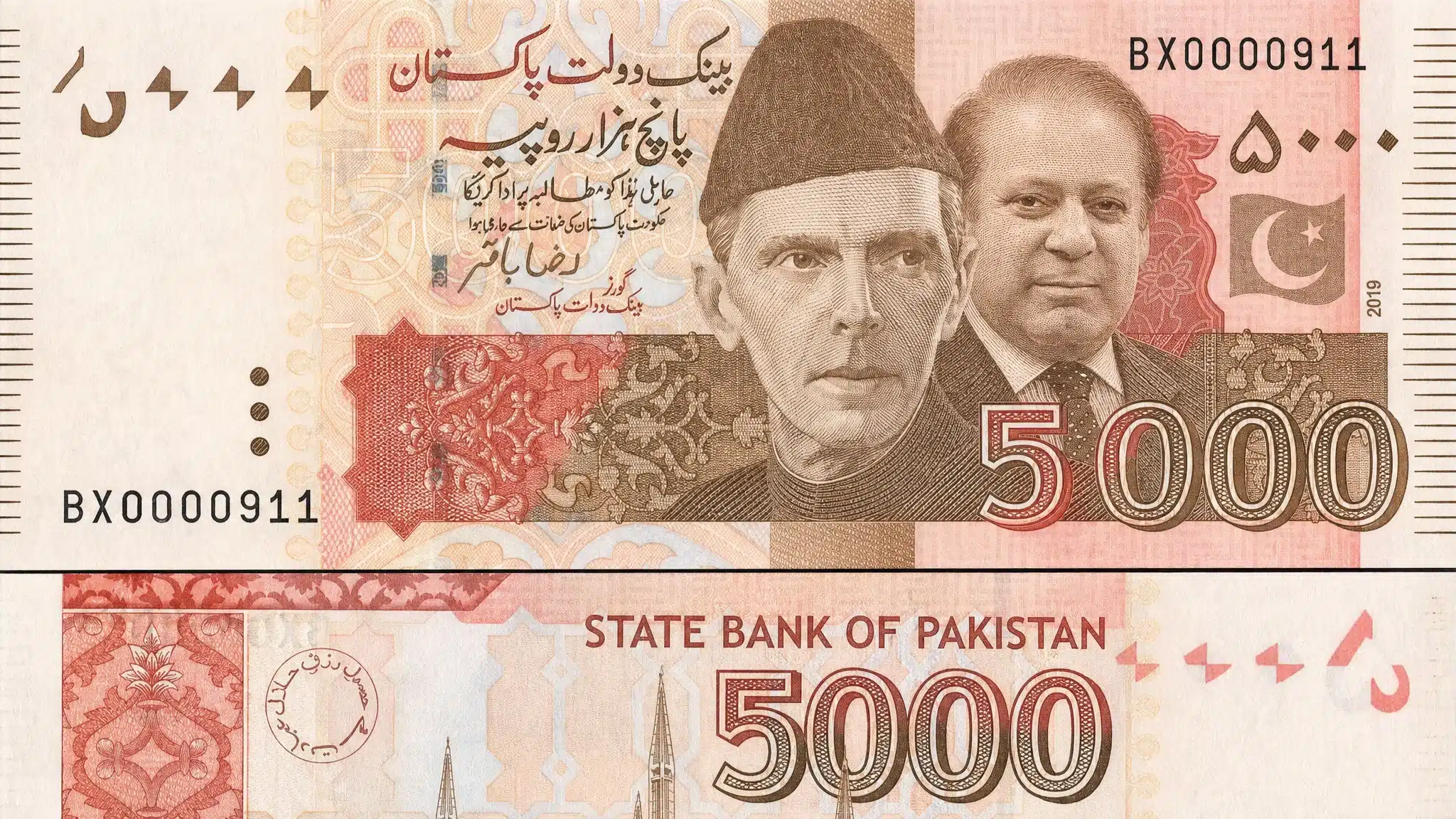
National identity functions as a structural baseline for economic confidence. Recently, PML-N MPA Arshad Malik proposed a calibrated shift in our national branding by suggesting the addition of former Prime Minister Nawaz Sharif’s portrait to the Rs. 5,000 currency note. This proposal, delivered during a Punjab Assembly session, seeks to place Sharif alongside Quaid-e-Azam Muhammad Ali Jinnah on the country’s highest-denomination banknote.
Analyzing the Proposal for the Rs. 5,000 Currency Note
Arshad Malik argued that Nawaz Sharif played a catalyst role in the structural development of Pakistan. Consequently, he believes the former leader deserves recognition on the nation’s legal tender. While the lawmaker presented this as a necessary tribute to progress, the State Bank of Pakistan and the federal government have not yet indicated that they are considering this precision adjustment to our currency design.
The Translation (Clear Context)
In technical terms, currency design serves as a symbolic record of a nation’s history. By proposing this change, the lawmaker is attempting to integrate modern political legacy with the foundational identity represented by Quaid-e-Azam. Strategically, this move shifts the Rs. 5,000 currency note from a purely historical artifact to a contemporary political statement. However, the administrative logic of the State Bank usually favors stability and historical consensus over frequent portrait updates.
The Socio-Economic Impact
The physical circulation of the Rs. 5,000 currency note affects the daily transactions of professionals and businesses across Pakistan. Introducing new portraits can influence:
- National Sentiment: A shift in symbolic branding can polarize public opinion, potentially impacting the perceived neutrality of state institutions.
- Administrative Costs: Re-designing and printing new denominations involves significant precision engineering and security calibration costs.
- Inflation Perception: In urban and rural Pakistan, changes to the highest-denomination note often trigger discussions regarding the baseline value of the currency itself.
The Forward Path (Opinion)
This development represents a Stabilization Move rather than a momentum shift. While the proposal highlights the internal ideological priorities of the PML-N, it does not currently address systemic economic efficiency. For the “Next Generation,” progress is measured by the purchasing power of the currency rather than the portrait it carries. We must focus on digital fiscal transparency and structural economic reforms to ensure our national tender remains a symbol of strength, regardless of its visual design.








