
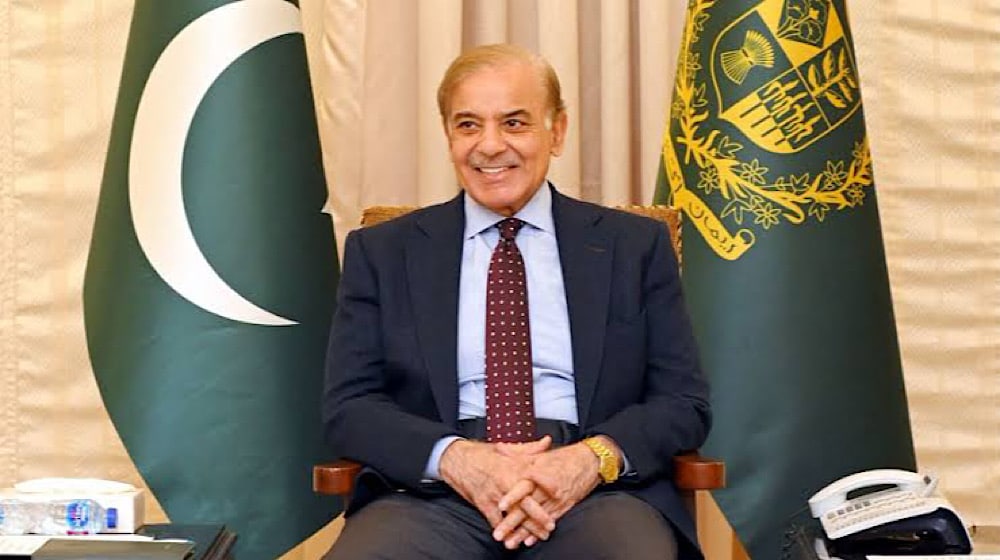
National advancement relies on structural economic shifts and precise policy alignment. Recently, Prime Minister Shehbaz Sharif ordered the development of a calibrated Pakistan’s export strategy to catalyze sustainable industrial growth. This initiative seeks to transition the nation from a consumption-based baseline to a production-driven powerhouse. Consequently, the government aims to achieve aggressive economic development targets through high-precision facilitation of export-oriented industries.
Optimizing Pakistan’s Export Strategy for Global Reach
The Prime Minister directed authorities to architect a comprehensive framework that supports Small and Medium-sized Enterprises (SMEs). These entities serve as the primary catalyst for expanding Pakistan’s presence in competitive international markets. Furthermore, the draft policy focuses on diversifying the export base by promoting emerging sectors that utilize modern technological assets.
Sharif emphasized that technological modernization and research development are no longer optional. For Pakistani industries to remain competitive, they must integrate advanced automation and digital tools into their manufacturing lifecycles. This structural upgrade is essential for maintaining a competitive edge in a rapidly evolving global landscape.
The Translation: Contextualizing the Shift
While “export-led growth” often sounds like technical jargon, it represents a strategic pivot in how our economy functions. Essentially, the state is lowering barriers for local manufacturers to sell high-value goods abroad. This logic suggests that by increasing the volume of exports, the government can generate the foreign exchange necessary to stabilize the national treasury without relying solely on external debt.
Socio-Economic Impact: What This Means for Citizens
The implementation of this strategy directly affects the daily lives of Pakistani citizens through several key channels:
- Employment Generation: Expanded export zones will create high-skilled positions for engineers, technicians, and digital specialists.
- Currency Stability: A stronger export base reduces the pressure on the Rupee, potentially lowering the cost of imported essentials for households.
- SME Empowerment: Local startups and small businesses will receive direct facilitation, allowing young entrepreneurs to scale their operations globally.
The Forward Path: Strategic Analysis
This development represents a significant Momentum Shift for Pakistan. By prioritizing R&D and SME integration, the government is addressing the long-standing productivity gap that has historically hindered our growth. Success now depends on the precision of execution and the consistency of these industrial incentives over the next fiscal cycle.








