
Strategic Relief: Petrol Price Reduction Confirmed
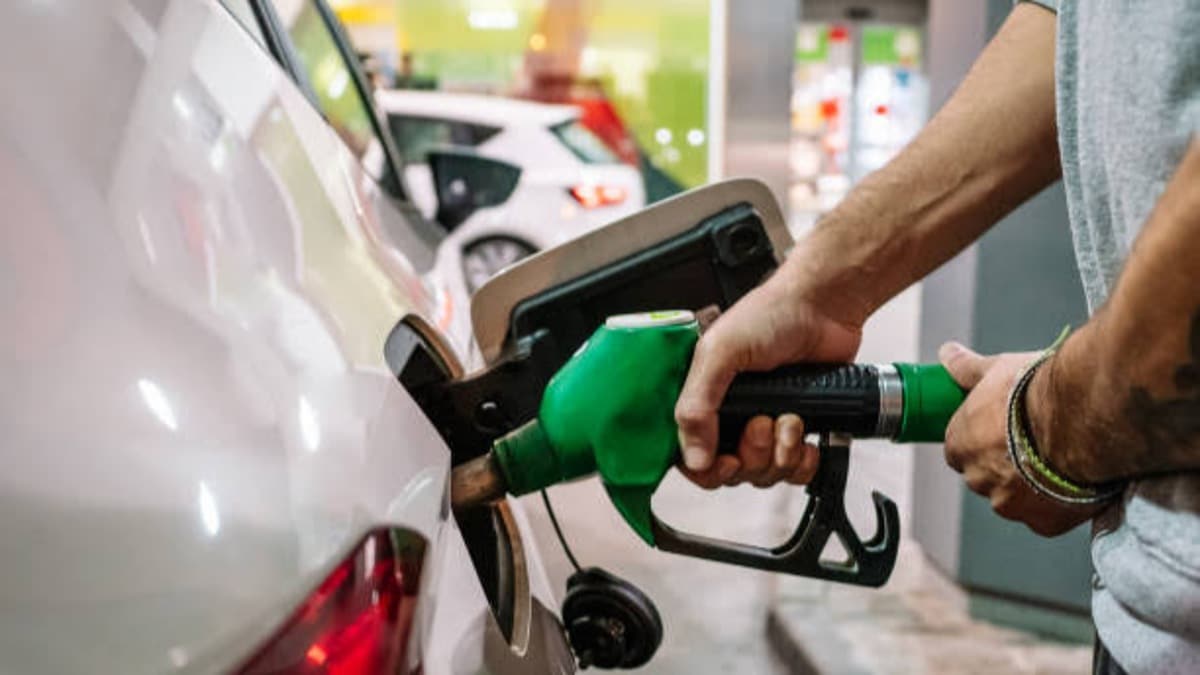
Prime Minister Shehbaz Sharif confirmed a significant petrol price reduction today, aligning domestic energy costs with the downward trajectory of international oil markets. By calibrating fuel prices to global shifts, the government aims to catalyze economic activity and ease the financial burden on the public. This precision-based adjustment fulfills a standing commitment to transfer logistical and procurement savings directly to Pakistani consumers.
The Prime Minister addressed the National Assembly, noting that global oil indices are currently subsidizing the government’s ability to provide relief. Furthermore, he emphasized that the recent regional ceasefire has improved the geopolitical outlook, serving as a baseline for structural economic stability. Consequently, the Subsidence of international uncertainty allows for a more predictable and beneficial energy pricing model for the nation.
Maintaining Supply Chain Integrity
Effective planning and strategic coordination ensured that Pakistan avoided fuel supply disruptions during recent regional tensions. Prime Minister Shehbaz Sharif highlighted that the government successfully averted long queues at stations, maintaining a steady flow of energy resources. In contrast to previous periods of volatility, the current administration utilized precision logistics to stabilize the internal market before announcing the price cut.

The Prime Minister reiterated that the government remains disciplined in its approach to energy management. By monitoring global trends, the state ensures that any reduction in global procurement costs is reflected in the local market. Crucially, this move signals a transition toward a more transparent and responsive energy pricing mechanism for all citizens.
The Situation Room Analysis
The Translation (Clear Context)
The logic behind this petrol price reduction stems from two calibrated factors: the cooling of global crude prices and a “stability dividend” from the regional ceasefire. When global tensions ease, the risk premium on oil transport drops. The government is essentially passing these systemic savings back to the public, ensuring the economy does not remain decoupled from international downward trends.
The Socio-Economic Impact
This development directly impacts the daily lives of Pakistanis by lowering the baseline cost of transport and logistics. For urban professionals and students, it means reduced commuting expenses. In rural sectors, it translates to lower operational costs for agricultural machinery and food transport. Consequently, this change increases the disposable income of households and helps dampen inflationary pressures across the supply chain.
The Forward Path (Opinion)
This move represents a Momentum Shift for the Pakistani economy. By reacting swiftly to global market indicators, the government is demonstrating a shift toward agile governance rather than reactive management. While stabilization is the immediate result, the consistency of these adjustments will be the catalyst for long-term industrial confidence and consumer trust in the national energy strategy.








