

The global digital infrastructure is undergoing a structural recalibration as artificial intelligence consumes the foundational components of our mobile ecosystem. Consequently, a severe smartphone memory crisis is emerging, forcing consumers to retain their current devices longer as new handsets become significantly more expensive. As AI-driven demand intensifies, the cost of essential memory components has surged, creating a calibrated shift in market accessibility.
The AI Catalyst Behind Rising Component Costs
The primary driver of this market disruption is the unprecedented demand for high-performance servers equipped with GPUs for AI workloads. Chipmakers have strategically prioritized high-margin memory components for these AI data centers. Furthermore, manufacturers are diverting resources away from standard DRAM and NAND production, which are the critical baselines for smartphones and personal computers.

Unlike traditional boom-and-bust cycles caused by production errors, this “memory supercycle” is fueled by hyperscalers. Industry analysts suggest this precision-driven demand could maintain upward price pressure until 2028. Currently, memory components account for over 30% of a manufacturer’s bill of materials for many devices.
Predicting the 15% Market Contraction
Research firm CCS Insight expects global smartphone shipments to contract by 15% this year. Although the market shrank by 4.4% in the first quarter, the outlook remains fragile. Data indicates that entry-level devices have already recorded price increases exceeding 50% compared to previous baselines.
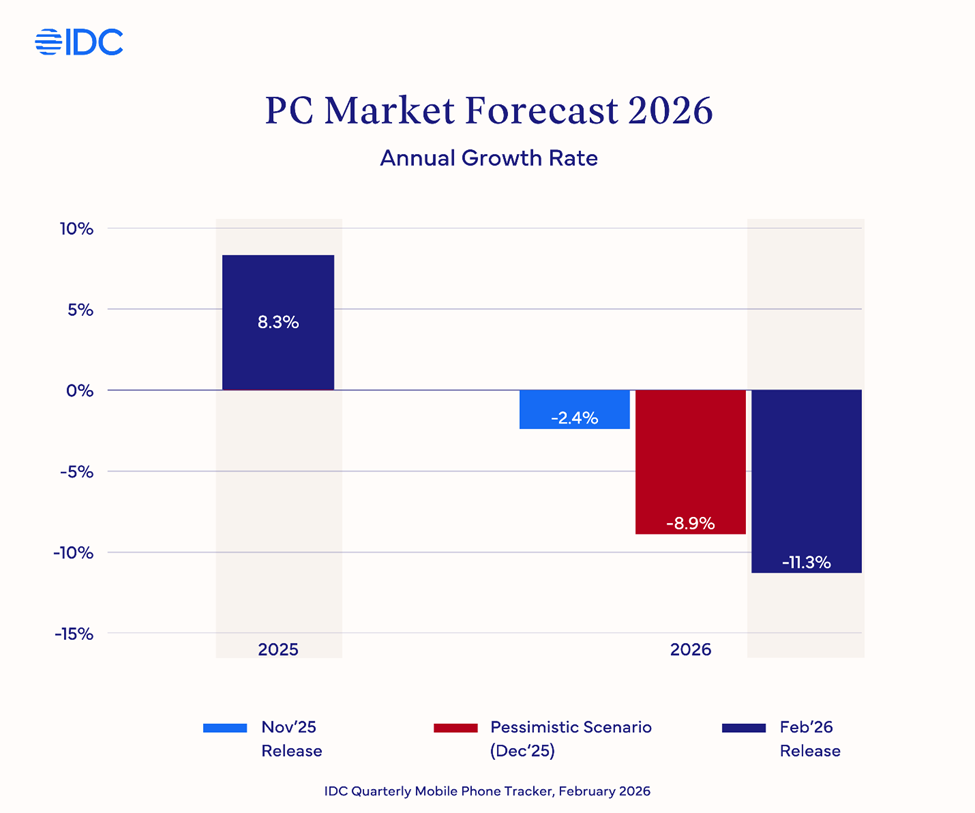
- Price Escalation: Initial forecasts of 8% price hikes have been recalibrated to 14% or higher.
- Budget Impact: Entry-level smartphones face the most significant pressure because memory represents a larger share of their total production cost.
- Inventory Stress: While sales channels front-loaded inventory early in the year, those reserves are depleting rapidly.
The Rise of the Secondary Ecosystem
As primary market prices accelerate, the organized secondary smartphone market has become a strategic alternative. This sector grew by 4% in the first quarter, with a projected annual growth of 15%. Consumers are shifting their behavior, moving toward pre-owned devices to maintain connectivity without the premium cost of new hardware.
Extended Replacement Cycles
The average consumer now keeps their device for more than four years, doubling the traditional two-year cycle. However, this shift creates a potential supply bottleneck. If fewer people upgrade to new phones, the supply of high-quality trade-ins will eventually diminish, limiting the growth of the used phone market.
The Situation Room Analysis
The Translation
In simple terms, the “brains” of your phone (DRAM and NAND) are being outbid by the “brains” of massive AI servers. Because AI companies are willing to pay a premium for high-speed memory, chip factories are retooling their lines to serve big tech rather than mobile manufacturers. This creates a structural shortage that pushes the cost of your next phone higher, especially for budget models where every dollar counts.
The Socio-Economic Impact
For the average Pakistani citizen, this development directly impacts digital inclusion. Budget-friendly smartphones are the primary gateway to the digital economy for students and small business owners. A 50% price hike on entry-level devices could stall digital literacy and limit access to essential services in rural areas. We expect to see a massive surge in the local “mobile repairing” culture and a higher reliance on the refurbished market in urban hubs like Karachi and Lahore.
The Forward Path
This development represents a Stabilization Move that will eventually lead to a new market equilibrium. While the immediate price shock is disruptive, it will likely catalyze more efficient software optimization. Manufacturers must now find ways to deliver performance using less hardware, potentially sparking a new era of software-driven efficiency in the mobile sector.








