
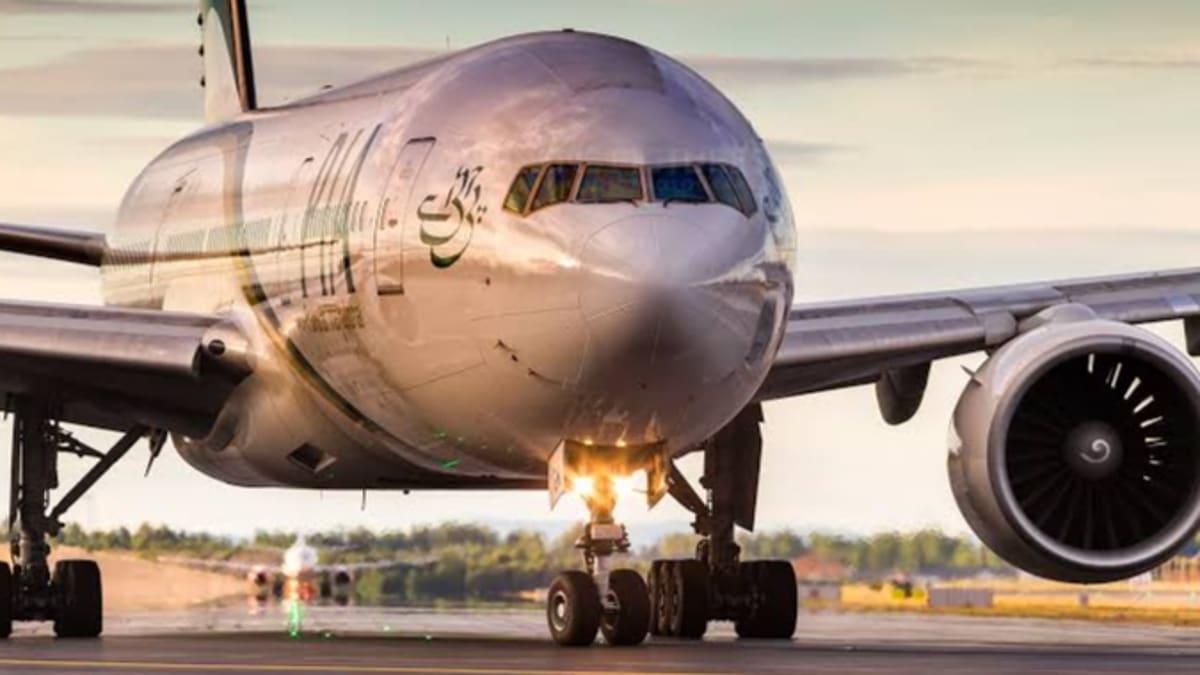
Structural modernization is the fundamental baseline for national efficiency in a globalized economy. The PIA Boeing fleet is poised for a significant expansion as Pakistan initiates a strategic modernization strategy to revitalize the national carrier. Interior Minister Mohsin Naqvi recently catalyzed this transition during high-level diplomatic discussions in Washington with Boeing Global President Brendan Nelson. This precision-focused engagement aims to procure 16 new aircraft, bridging the operational gaps that have historically constrained the airline’s performance and global reach.
The Translation: Decoding the Acquisition Strategy
While fleet acquisition often appears as a standard commercial purchase, this move represents a structural overhaul of Pakistan’s aviation infrastructure. By negotiating directly with Boeing’s top leadership, the government is seeking calibrated commercial arrangements rather than simple procurement. This agreement focuses on moving quickly to finalize terms that ensure long-term sustainability. Consequently, this deal moves beyond basic maintenance, aiming to replace legacy assets with fuel-efficient technology that aligns with modern international aviation standards.
Architecting the Future: Expanding the PIA Boeing fleet
The strategic involvement of PIA’s new management during these talks signals a shift toward professionalized governance. Both parties reviewed multiple aircraft acquisition options to secure a deal that optimizes fiscal resources. Interior Minister Naqvi specifically commended Boeing’s global leadership, highlighting the company’s role as a vital catalyst in Pakistan’s aircraft manufacturing history. This collaboration ensures that the procurement process remains accelerated and transparent.
The Socio-Economic Impact: Empowering the Pakistani Citizen
Modernizing the PIA Boeing fleet directly influences the economic mobility of Pakistani professionals, students, and households. Increased operational capacity typically leads to higher system efficiency, which translates into more competitive pricing and reliable flight schedules for the average traveler. For the Pakistani diaspora, these 16 new aircraft represent a stronger, more comfortable link to their homeland. Furthermore, a revitalized national carrier serves as a catalyst for trade and tourism, injecting vital energy into the urban and rural service sectors alike.
The Forward Path: Expert Assessment
This development represents a definitive Momentum Shift. Integrating 16 modern Boeing aircraft is far more than a stabilization move; it is a calculated leap toward progress. If the government maintains this pace and finalizes the agreement with fiscal discipline, this fleet expansion will restore PIA’s competitive edge in the regional market. It establishes a new baseline for what a national carrier can achieve through strategic international partnerships and disciplined management.








