
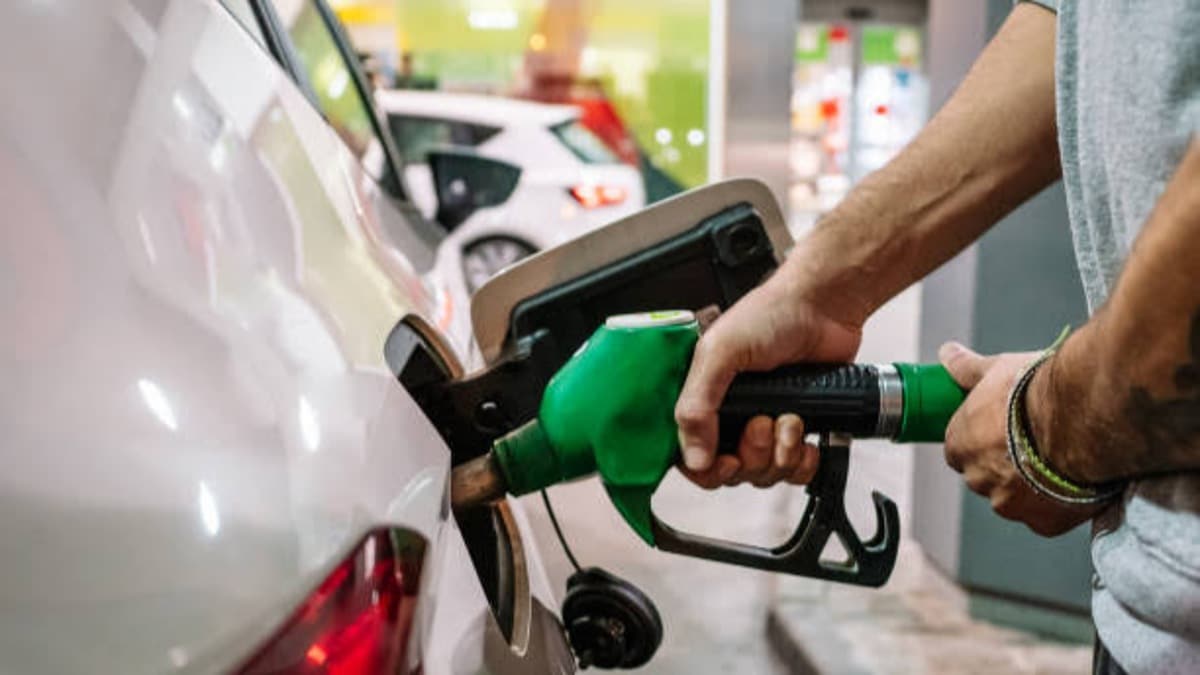
Strategic economic calibrations are currently underway as global market fluctuations necessitate a structural shift in fuel prices in Pakistan. Recent data suggests that High-Speed Diesel (HSD) will likely experience a sharp hike of approximately Rs. 40 per litre. Simultaneously, petrol prices are projected to rise by roughly Rs. 10 per litre. These adjustments, set to take effect on July 18, reflect a calibrated response to international crude oil volatility. Consequently, stakeholders are monitoring the baseline impact on the national energy landscape.
The Structural Drivers Behind Rising Fuel Prices in Pakistan
The upcoming fortnightly review serves as a catalyst for significant fiscal realignments across the energy sector. High-speed diesel serves as the backbone of the national transport and agricultural infrastructure. Therefore, a Rs. 40 increase represents a substantial shift in operational overheads for logistics providers. Officials from the National Committee on Monitoring and Coordination (NCMC) recently convened to evaluate these trends. They aim to balance market realities with consumer stability through potential adjustments to the petroleum levy.
Addressing Speculative Practices and Inventory Stability
The anticipation of price hikes has triggered precision surveillance by the Oil and Gas Regulatory Authority (OGRA). Reports of diesel hoarding emerged after an unusual surge in sales during the first half of July. In response, OGRA and the Oil Companies Advisory Council (OCAC) have reinforced market enforcement protocols. Provincial governments must now carry out rigorous inspections to eliminate artificial shortages. Despite these speculative pressures, the government maintains that national petroleum inventories remain sufficient to meet current demand without disruption.
The Translation
In the context of “Next Gen” clarity, the “fortnightly review” is the government’s scheduled mechanism to synchronize domestic costs with global energy markets. The “petroleum levy” is a fixed tax applied per litre; by reducing this, the government can effectively “absorb” some of the global price hike rather than passing the full cost to the citizen. The current surge in diesel demand isn’t just organic consumption; it is a mathematical anomaly suggesting that distributors are stockpiling cheaper fuel today to sell it at the higher price tomorrow.
The Socio-Economic Impact
This development directly influences the precision of household budgeting for every Pakistani citizen. For professionals and students, the Rs. 10 hike in petrol increases the daily cost of commuting. More critically, the Rs. 40 surge in diesel will likely trigger a “multiplier effect” on food prices. Since diesel powers the trucks that transport crops from rural farms to urban markets, the cost of essential commodities like wheat and vegetables will inevitably face upward pressure. Efficient resource management will become essential for middle-income households during this transition.
The Forward Path
This development represents a Stabilization Move. While the price hike is a painful necessity driven by global variables, the government’s focus on market surveillance and levy adjustments indicates an effort to prevent systemic collapse. For a true “Momentum Shift,” Pakistan must decouple its energy security from international volatility by investing in domestic renewable infrastructure and refining efficiency. Until then, these calibrated price reviews remain the primary tool for maintaining economic equilibrium.








