Optimizing Urban Mobility: The 296-Bus Milestone
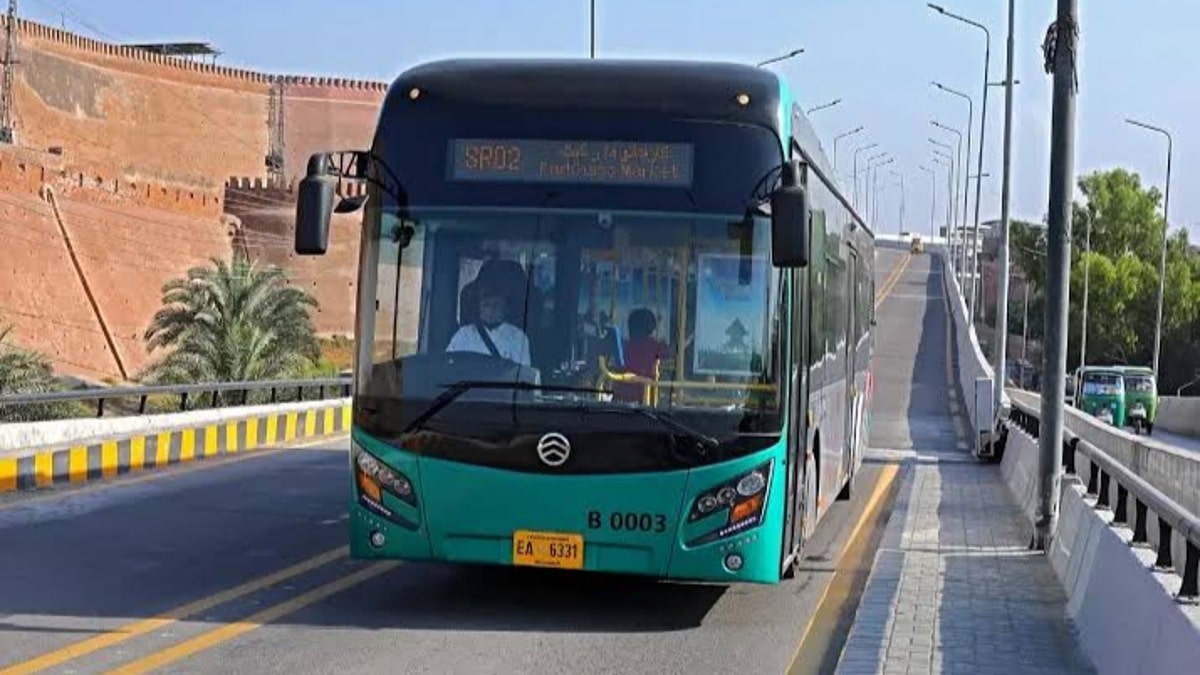
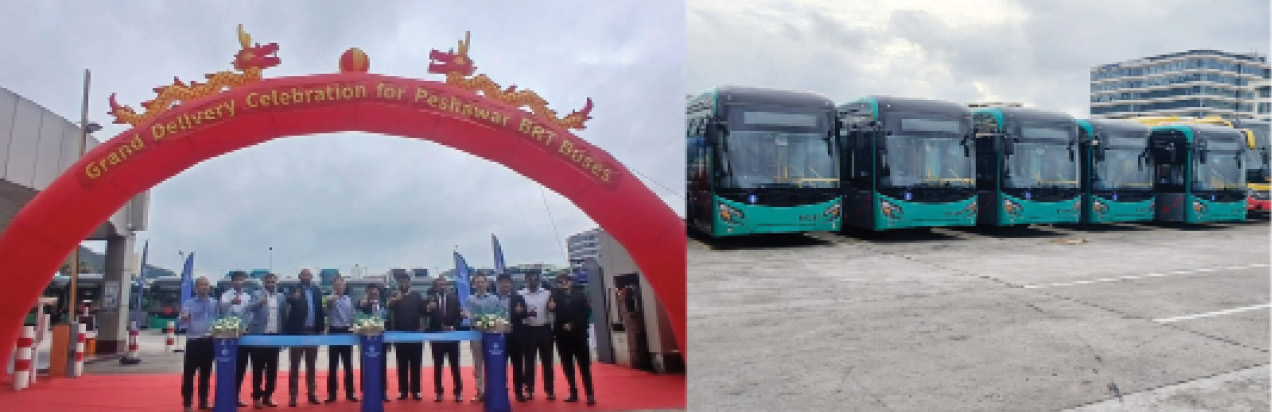
Urban mobility acts as the structural baseline for a city’s economic productivity. Consequently, the recent announcement by TransPeshawar to integrate 52 new Peshawar BRT buses represents a strategic calibration of our public transport infrastructure. This expansion increases the total fleet to 296 units, specifically designed to mitigate bottlenecking on the main corridor. By deploying these assets across both primary and feeder routes, the system will effectively reduce passenger latency and stabilize the growing travel demand within the provincial capital.
The Translation: Systemic Precision over Capacity
While the addition of hardware is significant, the logic behind this deployment focuses on systemic efficiency. TransPeshawar is not merely adding volume; it is refining the Peshawar BRT buses network to ensure high-frequency service during peak operational hours. Furthermore, the strategic inclusion of a dedicated Pink Bus service for women addresses a critical social safety gap. This move technicalizes the safety protocols of urban transit, ensuring that female commuters have a secure, high-precision travel option that avoids the friction of overcrowded general compartments.
The Socio-Economic Impact: Empowering the Daily Commute
This development directly impacts the daily lives of students, professionals, and households across Peshawar. For the average citizen, more buses translate into lower wait times and higher reliability in the morning commute. Specifically, the socio-economic benefits include:
- Time Efficiency: Reduced waiting intervals allow for more productive work and study hours.
- Inclusive Mobility: The Pink Bus service lowers the barrier for women to participate in the workforce and education.
- Systemic Capacity: Enhanced feeder route connectivity integrates remote urban clusters into the city’s economic core.
The Forward Path: A Momentum Shift
In our assessment, this expansion represents a Momentum Shift for Pakistan’s urban planning. Instead of reactive maintenance, TransPeshawar is proactively scaling the infrastructure to meet future demographic surges. The focus on gender-inclusive transport indicates a transition from basic utility to sophisticated, human-centric design. We view this as a catalyst for further smart-city integrations, provided the maintenance of the new fleet remains calibrated to international standards.