
Pakistan’s economic baseline faces a strategic recalibration as Pakistan inflation levels are projected to hit their highest peak in 23 months. Economic analysts forecast the Consumer Price Index (CPI) for May 2026 will fluctuate between 11.0% and 11.5%. This surge represents a catalyst for adjusted fiscal policy, contrasting sharply with the 10.89% recorded in April 2026 and the significantly lower 3.46% seen in May 2025.
Structural Drivers of Pakistan Inflation Levels
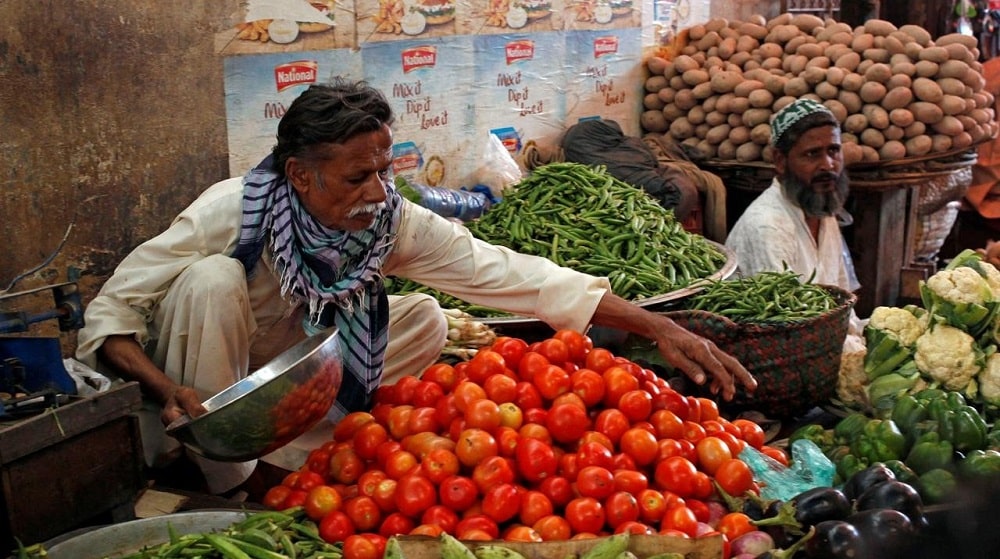
The food segment remains the primary driver of this structural price shift, increasing by 1.2% on a month-on-month basis. Precision data indicates that wheat flour prices surged by 9.47%, while potatoes and raw wheat rose by 5.24% and 5.52%, respectively. Conversely, calibrated declines in tomato (-28%) and onion (-13%) prices provided a partial buffer against the broader uptrend.

In the transport sector, global tensions triggered a 5.6% increase in Petrol Super. However, High-Speed Diesel prices fell by 23.1%, stabilizing logistical overheads for the transport of essential goods. Furthermore, the housing and utilities category witnessed a 0.79% decline, primarily due to a 4% drop in Liquefied Petroleum Gas (LPG) costs.

The Translation: Decoding the CPI
The Consumer Price Index (CPI) serves as a calibrated metric to measure the weighted average price of a “basket” of consumer goods. When Pakistan inflation levels rise to 11.5%, it signifies a reduction in the purchasing power of the national currency. This current uptick stems from a convergence of international commodity volatility and seasonal agricultural supply gaps, rather than purely systemic currency devaluation.
The Socio-Economic Impact
For the average Pakistani household, these metrics translate into higher caloric costs. The nearly 10% hike in wheat flour directly impacts the baseline nutritional budget of both urban and rural families. Consequently, households must optimize their discretionary spending to accommodate essential food staples.

On a more constructive note, the 3.8% reduction in electricity charges offers a strategic reprieve. This decline, driven by negative Fuel Charges Adjustments (FCA), provides relief for manufacturing units and residential cooling costs during the summer peak. It balances the increased cost of food, though the net effect remains a challenge for low-income brackets.
The Forward Path: Momentum Shift
We categorize this development as a Momentum Shift. While the projected 23-month high appears alarming, the long-term calibration remains within a manageable corridor. Topline Research expects average inflation for FY2026 to settle at 7.1%, suggesting that the current peak is a temporary structural adjustment.
- Projected FY2026 Inflation: 7.1% baseline.
- Projected FY2027 Inflation: 8.2% forecast.
- Real Interest Rates: Estimated at 0-50 basis points.
Maintaining real interest rates in this range is a strategic move to ensure stability without stifling growth. As Pakistan navigates these inflationary waves, the precision of fiscal interventions will determine the speed of our economic recovery.








