
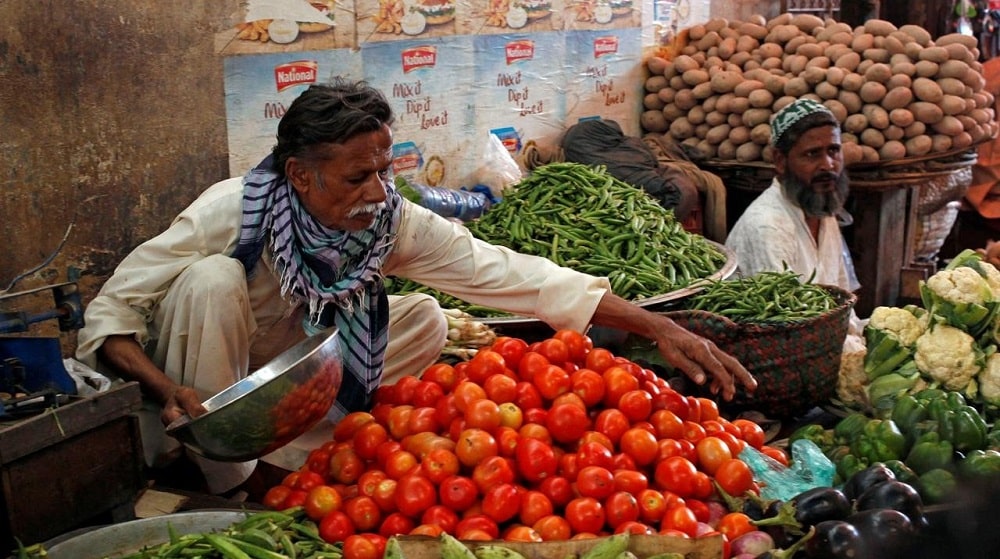
The Deceleration of Pakistan’s Inflation Rates
Pakistan’s inflation rates achieved a calibrated deceleration in July 2026, falling to 9.2% year-on-year (YoY). This data point represents a strategic shift from the 11.1% recorded in June, though it remains significantly higher than the 4.1% baseline established in July 2025. Consequently, the national economic landscape is navigating a transition from high-velocity price hikes to a more controlled, albeit elevated, inflationary environment.
Structural Breakdown of the Consumer Price Index (CPI)
The urban and rural sectors exhibit distinct fiscal behaviors. Urban CPI inflation increased by 8.7% YoY in July 2026, showing a marked reduction from the previous month’s 11.2%. In contrast, rural inflation remains higher at 9.9% YoY. Notably, both sectors experienced a month-on-month (MoM) increase of 1.2%, signaling that short-term price pressures persist despite the broader annual slowdown.
- Sensitive Price Index (SPI): Increased by 12.0% YoY, highlighting volatility in essential commodities.
- Wholesale Price Index (WPI): Recorded a 9.4% YoY increase, maintaining a steady baseline with no change on a MoM basis.
- Core Inflation (Urban): Calibrated at 8.6% YoY, showing relative stability compared to the previous month.
The Situation Room Analysis
The Translation: Decoding the Data
While the headline figure suggests a cooldown, the logic behind these numbers indicates a “high-base effect.” The drop below 10% is a statistical victory, but the 1.2% monthly increase suggests that the underlying cost of goods is still rising. Specifically, core inflation (Non-Food Non-Energy) remains sticky at 8.1% to 8.6%, suggesting that systemic price pressures are now embedded in the economy rather than being driven solely by volatile food or energy shocks.
The Socio-Economic Impact: Household Realities
For the average Pakistani citizen, this shift offers marginal relief rather than a complete recovery of purchasing power. Students and professionals in urban centers will see a slight stabilization in service costs. However, rural households continue to face higher inflation at 9.9%. Consequently, the daily life of a citizen remains constrained by prices that are effectively double what they were just twelve months ago, demanding precise personal financial management.
The Forward Path: A Momentum Shift
This development represents a Momentum Shift toward economic stabilization. The precision of these metrics indicates that the aggressive tightening measures are finally manifesting in the data. To sustain this progress, the government must catalyze structural reforms that address the SPI’s 12% growth. Maintenance of this downward trajectory is essential to restore investor confidence and secure the long-term fiscal health of the nation.








