
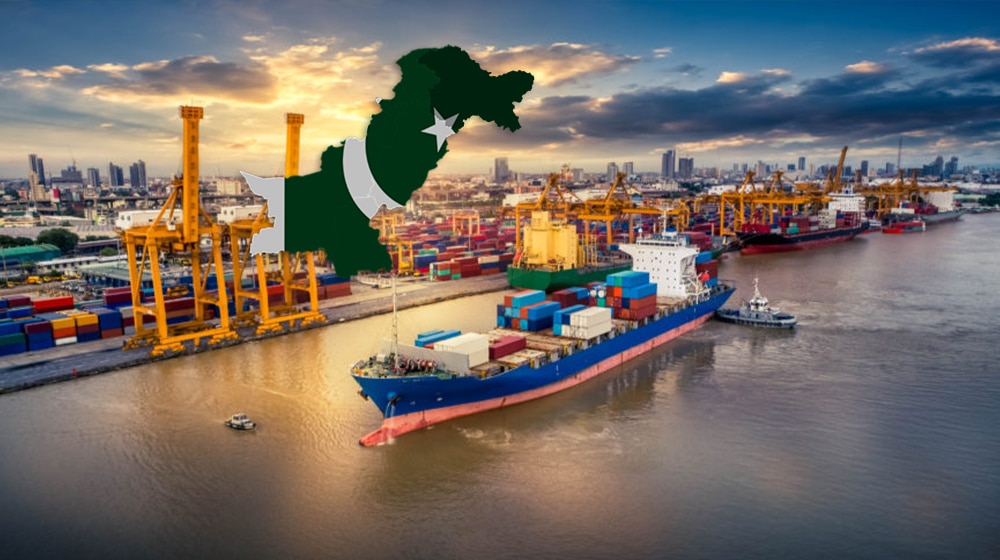
Precision-calibrated data from the International Monetary Fund (IMF) indicates that Pakistan’s export growth will likely hit a historic benchmark of $35.63 billion by FY2026-27. This trajectory represents a strategic pivot from the current baseline of $31.93 billion. Consequently, this shift serves as a catalyst for long-term economic stability and a strengthened external sector for the nation.
Strategic Projections for Pakistan’s Export Growth
The IMF’s latest forecast highlights a robust expansion in the trade landscape. Analysts expect exports to climb significantly starting July 1, 2026. This growth originates from a recovery in textile shipments and a surge in IT service exports. Furthermore, improved access to global markets provides the necessary framework for this record-breaking performance.

The Translation: Decoding Trade Dynamics
While record exports signal progress, the IMF also anticipates a rise in imports. This occurs because increased economic activity requires more raw materials and industrial machinery. Therefore, the trade deficit may widen even as export earnings peak. In essence, the system is scaling up its throughput to accommodate higher domestic demand and industrial production.
Structural Challenges and Market Competition
Despite the optimistic baseline, exporters must navigate several calibrated hurdles to maintain momentum. The following factors remain critical bottlenecks for Pakistan’s export growth:
- High Energy Tariffs: Elevated utility costs impact the final price of manufactured goods.
- Financing Constraints: High interest rates limit the capacity for industrial expansion.
- Regional Competition: Pakistan must compete with the efficiency of Vietnam, Bangladesh, and India.
- Tax Refund Delays: Liquidity remains tight for many firms due to administrative lags.

The Socio-Economic Impact
For the average Pakistani citizen, this export surge translates into systemic benefits. Specifically, growth in the IT and textile sectors generates high-value employment opportunities for students and professionals. Increased foreign exchange inflows help stabilize the rupee, which eventually mitigates the inflationary pressure on household budgets. Moreover, a stronger export base provides the government with more fiscal room to invest in public infrastructure.
The Forward Path: Architect’s Perspective
We categorize this development as a Momentum Shift. While the projections are ambitious, they rely on the successful implementation of ongoing economic reforms. To transition from a stabilization phase to a period of exponential growth, the government must prioritize energy price rationalization and tax efficiency. If these variables are calibrated correctly, Pakistan will not only meet but potentially exceed these historic targets.








