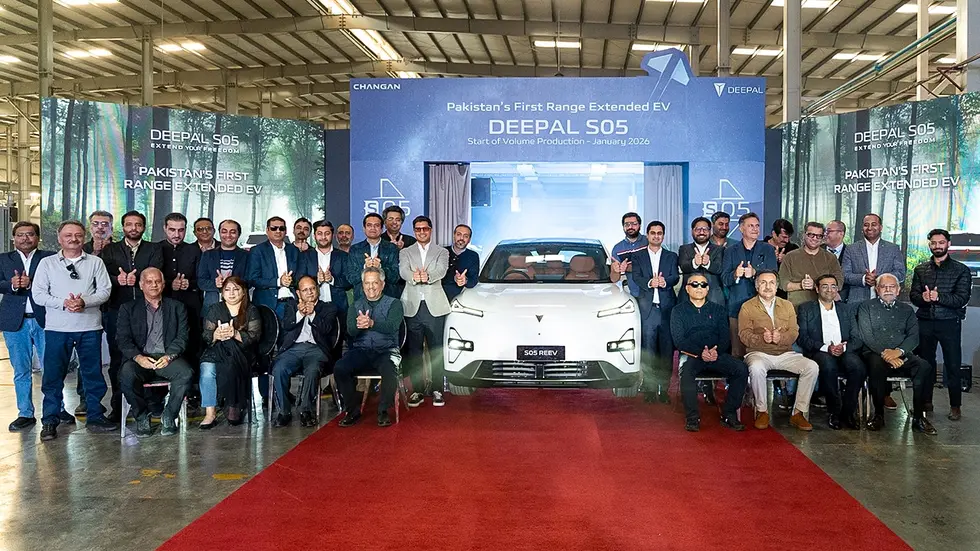
Systemic industrial efficiency requires a calibrated tax framework that aligns fiscal policy with social equity. Currently, the expiration of the previous Pakistan Auto Policy on June 30, 2026, has created a structural vacuum. This delay allows influential industry lobbies to pressure the government for incentives on expensive New-Energy Vehicles (NEVs). Consequently, ordinary car buyers bear the full tax burden while affluent consumers enjoy significant fiscal relief.
The Structural Vacuum in the Pakistan Auto Policy
Pakistan currently operates under the IMF’s Extended Fund Facility, which mandates a broader tax base and the removal of untargeted subsidies. However, entry-level vehicles like the Suzuki Alto continue to attract the full weight of General Sales Tax (GST) and climate levies. These mass-market cars, priced between PKR 2.99 million and PKR 4.59 million, receive zero fiscal incentives despite serving the largest population segment. Furthermore, the absence of a clear Pakistan Auto Policy allows competing interest groups to manipulate the market landscape.
The “Situation Room” Analysis
The Translation: Clear Context
The current policy logic creates a regressive tax environment. For example, a buyer of a PKR 3 million Suzuki Alto pays approximately PKR 543,000 in combined taxes—roughly 18% of the vehicle’s price. In contrast, a PKR 10 million luxury NEV like the Deepal attracts only 1% tax. This data proves that the tax burden on a basic hatchback is five times higher in absolute terms than on a vehicle costing three times more. Precision in policy-making is missing, resulting in a system that subsidizes luxury over utility.
The Socio-Economic Impact
This fiscal disparity directly impacts the mobility of the Pakistani middle class. High withholding taxes and the lack of subsidies on basic transportation increase the financial barrier for students, professionals, and urban households. While the government promotes “green mobility,” the high entry price of NEVs ensures these benefits only reach the top 1% of earners. Consequently, the average citizen faces stagnant transportation options while public resources support premium imports.
The “Forward Path”: Momentum or Stabilization?
We categorize this current state as a Stabilization Move failing to achieve its potential. While the government aims to satisfy IMF requirements for fiscal discipline, the current execution is uncalibrated. A true “Momentum Shift” requires a Pakistan Auto Policy that balances environmental goals with socio-economic reality. The government must recalibrate taxes to ensure that “green” does not simply mean “elite.”
Author Insight: Khawar Azhar brings over 25 years of communication expertise to this precision analysis of Pakistan’s automotive sector.