Structural efficiency in urban transit requires calibrated adjustments during peak civic events. The Punjab Masstransit Authority (PMA) recently confirmed a temporary metro bus suspension across major transit corridors in Lahore and Rawalpindi for Tuesday, August 4, 2026. This tactical maneuver ensures security during the dual religious observances of the Chehlum of Hazrat Imam Hussain (RA) and the Urs of Hazrat Ali Hajveri (Data Ganj Bakhsh).
Analyzing the Metro Bus Suspension in Major Cities
Furthermore, the Lahore Metrobus Service will remain entirely non-operational throughout the day. This decision aligns with provincial security protocols for high-density gatherings in the metropolitan hub. Consequently, commuters must identify alternative logistics for their Tuesday travel within the city limits.
Specifically, the Rawalpindi section of the Pakistan Metrobus System will also face a partial metro bus suspension. The segment operating between Saddar and Faizabad will remain suspended for the duration of the day. In contrast, the Islamabad section—connecting IJP Road to Pak Secretariat—will maintain its normal operational schedule, serving as a functional transit spine for the capital.
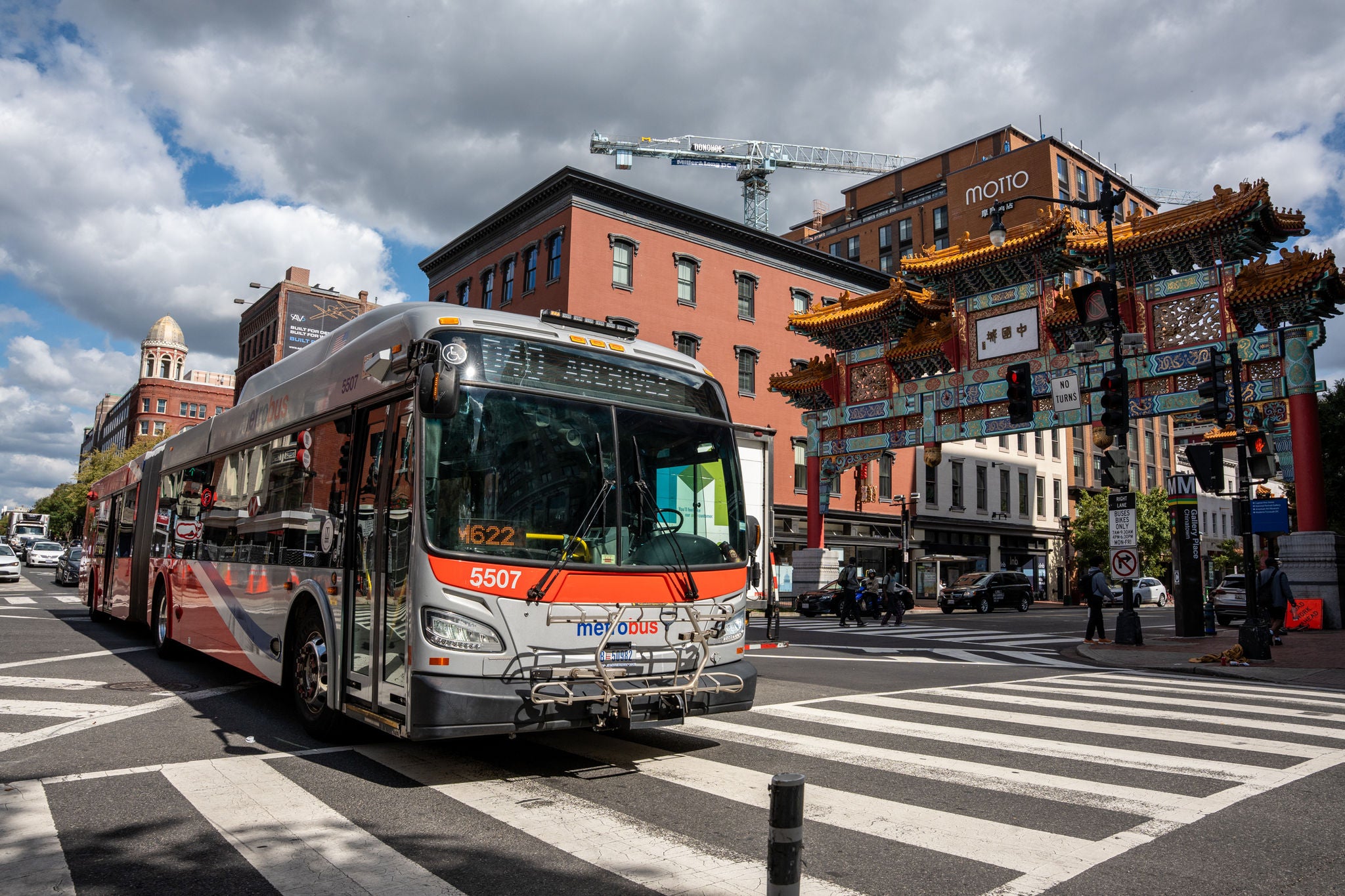
The PMA advises all passengers to calibrate their travel plans in advance to mitigate potential inconvenience. Therefore, the authority expresses gratitude to the public for their cooperation during these necessary service modifications.
The Translation (Clear Context)
The PMA is prioritizing “kinetic security” across the transit network. High-density BRT systems often function as sensitive nodes during massive public assemblies. By implementing this metro bus suspension, the state minimizes crowd management friction and protects the physical integrity of the transportation infrastructure.
The Socio-Economic Impact
Daily mobility is the baseline for economic productivity in urban Pakistan. Consequently, this suspension forces thousands of students and laborers to seek private transportation alternatives. This shift typically results in higher travel costs for average households and a temporary deceleration in localized commerce near transit stations.
The Forward Path (Opinion)
This development represents a Stabilization Move. While protecting citizens during large events is a precision requirement, a truly resilient system should eventually incorporate adaptive security tiers. Moving forward, Pakistan needs transit models that can remain partially operational under high-security conditions to sustain national momentum.