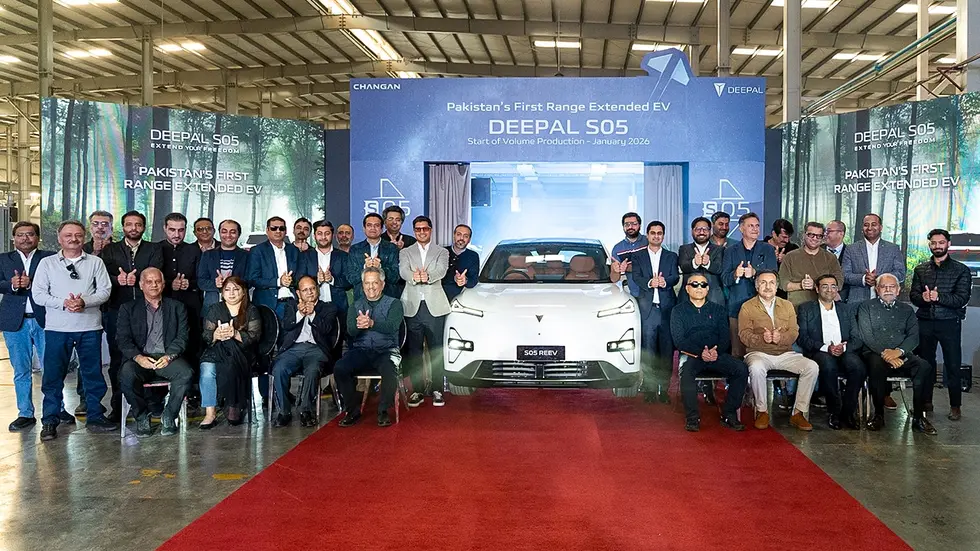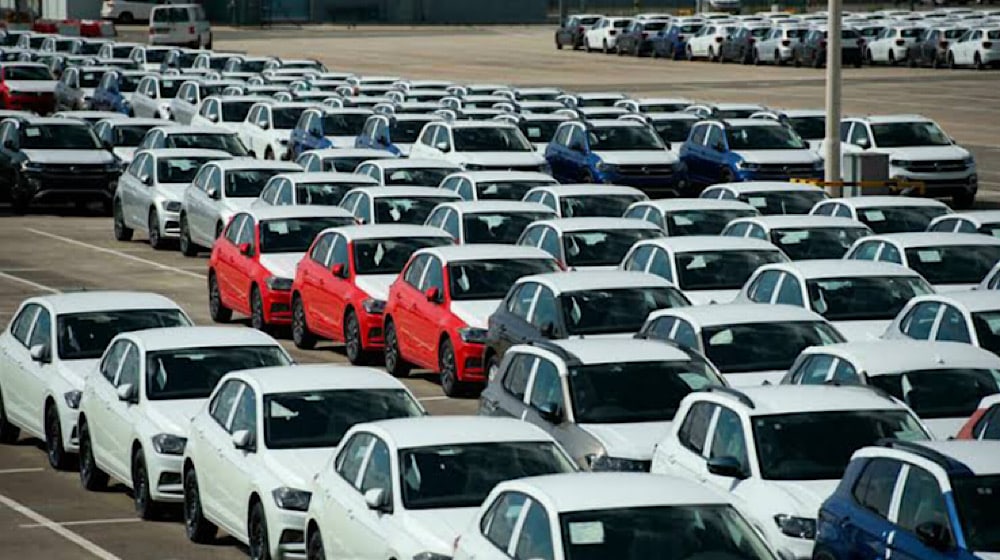
Pakistan has committed to a structural overhaul of its automotive sector by lowering vehicle import tariffs as part of a strategic roadmap agreed with the International Monetary Fund (IMF). This five-year initiative aims to reduce the weighted average tariff from 10.6% to 7.4% by 2030, marking a calibrated shift toward global trade integration. Consequently, the government plans to initiate this reduction in the 2026-27 budget, lowering the initial baseline to 9.5% to ensure a managed transition for local stakeholders.
Precision Re-structuring: The New Roadmap for Vehicle Import Tariffs
The upcoming policy, scheduled for implementation on July 1, 2026, replaces the existing complex system with a streamlined four-slab structure. Specifically, the framework will utilize 0%, 5%, 10%, and 15% duty tiers. Furthermore, officials have confirmed that customs duties on completely built-up (CBU) vehicles will be capped at a maximum of 15% over the next five-year cycle. This move eliminates the unpredictability of regulatory duties that previously hindered market stability.
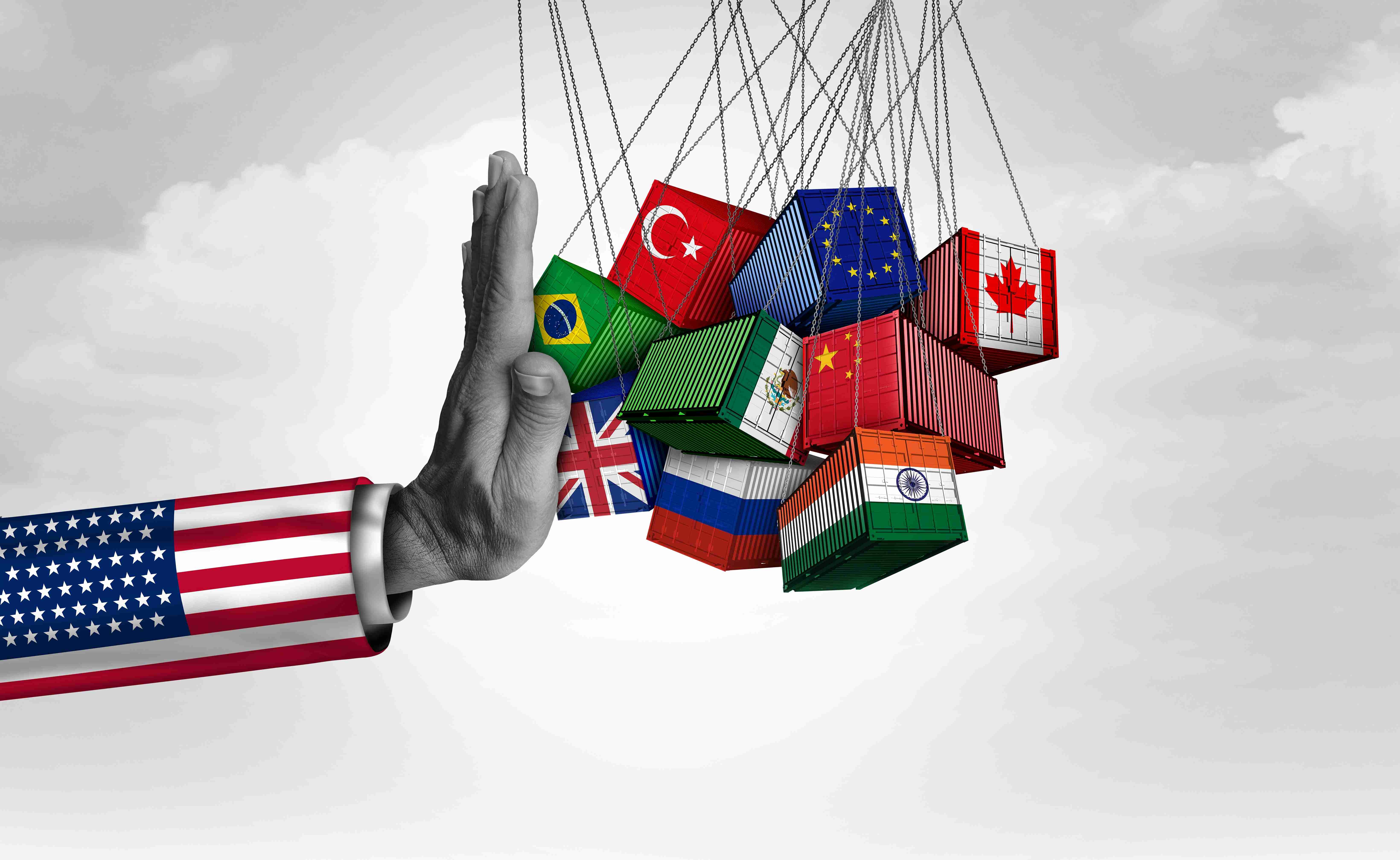
The Translation (Clear Context)
The “Next Gen” logic behind this reform is the elimination of protective isolation. By simplifying vehicle import tariffs into four distinct slabs, Pakistan is removing the “hidden” costs of regulatory duties (RD) and additional customs duties (ACD). Previously, these duties acted as a barrier that shielded local assemblers from competition, often at the expense of quality and pricing. The new system creates a predictable fiscal environment where importers and manufacturers can calculate costs with mathematical precision.
- Weighted Average Goal: Reduction from 10.6% to 7.4% by 2030.
- Regulatory Duty: 40% duty on used vehicles will be phased out to 0%.
- Legal Enforcement: The Motor Vehicle Development Act will provide a legal basis for safety and environmental standards.
The Socio-Economic Impact
How does this change the daily life of a Pakistani citizen? For the professional class and households, this policy acts as a catalyst for affordability. Lower vehicle import tariffs directly correlate with increased market competition, forcing local manufacturers to improve vehicle specifications while maintaining competitive price points. Additionally, the gradual removal of the 40% regulatory duty on used cars will reopen the market for high-quality, safe, and fuel-efficient imported alternatives, providing Pakistani families with better mobility options.

The Forward Path (Opinion)
This development represents a Momentum Shift. While critics may argue that it threatens the local “Big Three” assemblers, the data suggests that protectionism has reached its limit of utility. By forcing a higher degree of localization and aligning with IMF standards, Pakistan is building a resilient industrial baseline. This is not merely a stabilization move; it is a structural redesign that prioritizes consumer rights and technological advancement over administrative inertia.
Final policy approval by the Prime Minister and Federal Cabinet is expected before the end of the month. As the Engineering Development Board gains more legal authority through the Motor Vehicle Development Act, the focus will shift from simple assembly to high-precision automotive engineering.