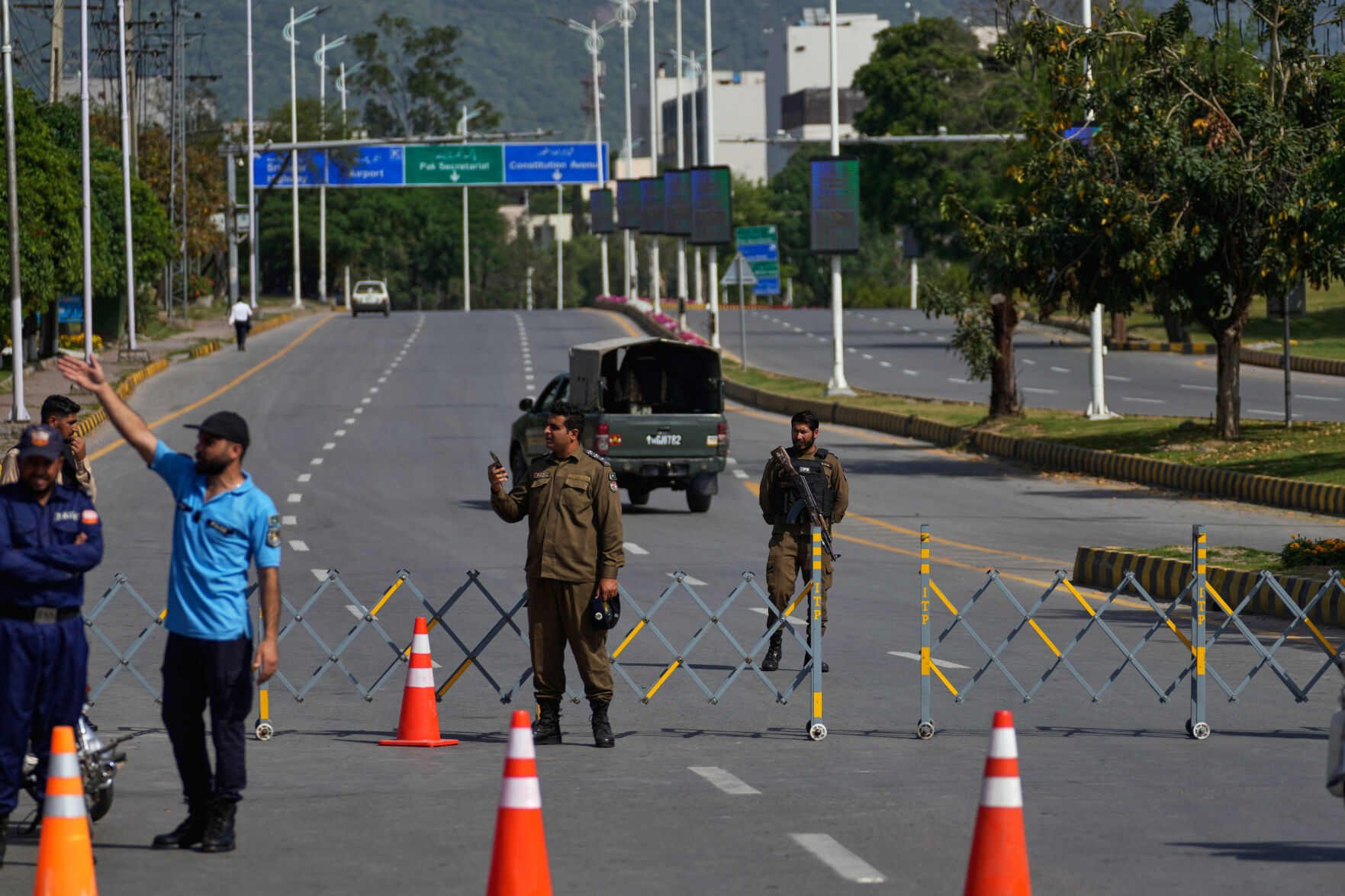
The stabilization of the Middle East hinges on calibrated diplomacy, and Pakistan has recently emerged as the primary structural catalyst in this effort. By facilitating high-level communication between Washington and Tehran, Pakistan’s civil-military leadership secured a vital extension of the US-Iran ceasefire. This strategic intervention has successfully delayed planned military strikes, providing a necessary baseline for diplomatic negotiations.
Pakistan’s Strategic Mediation in the US-Iran Ceasefire
US President Donald Trump officially confirmed that the US-Iran ceasefire remains active following a direct request from Pakistan’s Chief of Army Staff Asim Munir and Prime Minister Shehbaz Sharif. Specifically, the US military has received instructions to pause offensive operations while maintaining a strategic blockade of the Strait of Hormuz. Consequently, the extension serves as a cooling-down period for the Iranian leadership, which Trump described as currently “fractured.”

Prime Minister Shehbaz Sharif noted that this extension allows diplomatic efforts to proceed without the immediate threat of kinetic engagement. Pakistan has committed to hosting the next round of comprehensive peace talks in Islamabad. This role signifies a momentum shift for Pakistan’s foreign policy, positioning the nation as a precision mediator in the world’s most volatile corridors.
The Strait of Hormuz and Global Stability
Despite the truce extension, structural tensions remain high regarding maritime security. Iran’s Foreign Minister, Seyed Abbas Araghchi, previously labeled the US blockade of Iranian ports as an “act of war.” Simultaneously, the US maintains its naval presence to ensure compliance with international pressure. The following factors define the current stalemate:
- Diplomatic Window: The ceasefire remains valid until Iranian representatives submit a unified proposal.
- Maritime Pressure: The Hormuz blockade will not be lifted during the negotiation phase.
- Islamabad Summit: Pakistan will serve as the neutral ground for future structural agreements.
The Situation Room Analysis
The Translation
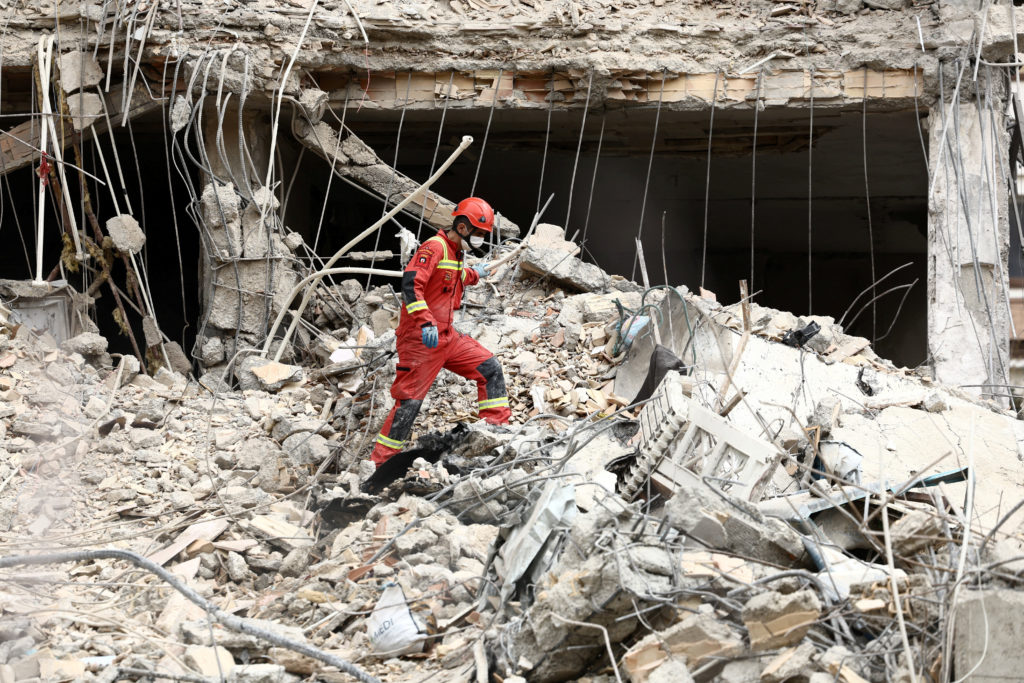
In technical terms, this is a “strategic pause” designed to prevent a systemic collapse of regional security. When the US refers to the Iranian leadership as “fractured,” it implies that internal Tehran politics are delaying a unified response to US demands. Pakistan’s role is that of a “buffer state,” ensuring that miscommunication on social media or at sea does not trigger an accidental full-scale war.
The Socio-Economic Impact
For the average Pakistani citizen, this development is a stabilization move for the economy. A full-scale conflict in the Persian Gulf would cause an immediate spike in global oil prices, leading to hyper-inflation in Pakistan’s transport and energy sectors. Furthermore, the role of Islamabad as a peace-maker enhances Pakistan’s creditworthiness and international standing, potentially attracting defensive and technological investment.
The Forward Path
This development represents a Momentum Shift. Pakistan is no longer just a participant in regional security; it is now the architect of the framework keeping two global powers from direct combat. However, the path forward requires precision. If the Islamabad talks fail to address the maritime blockade, the ceasefire may serve only as a temporary delay rather than a permanent solution. The focus must now shift from pausing conflict to building a sustainable diplomatic infrastructure.